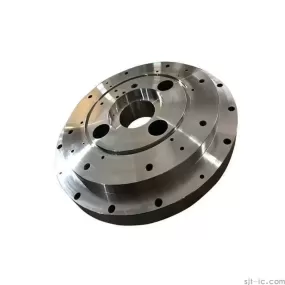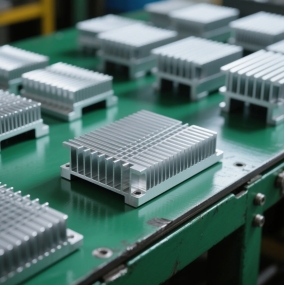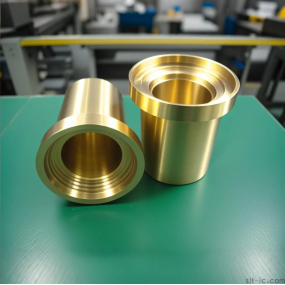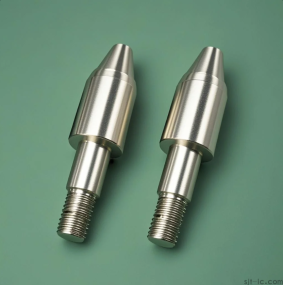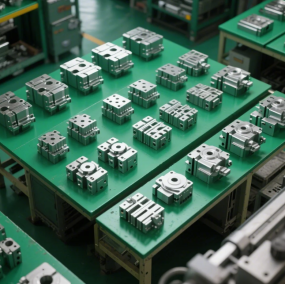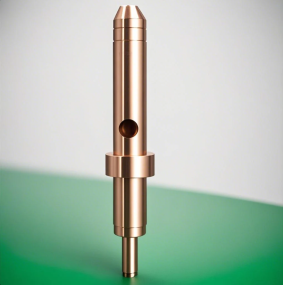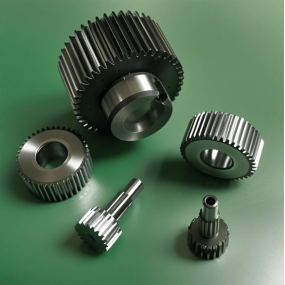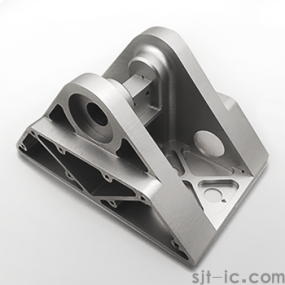

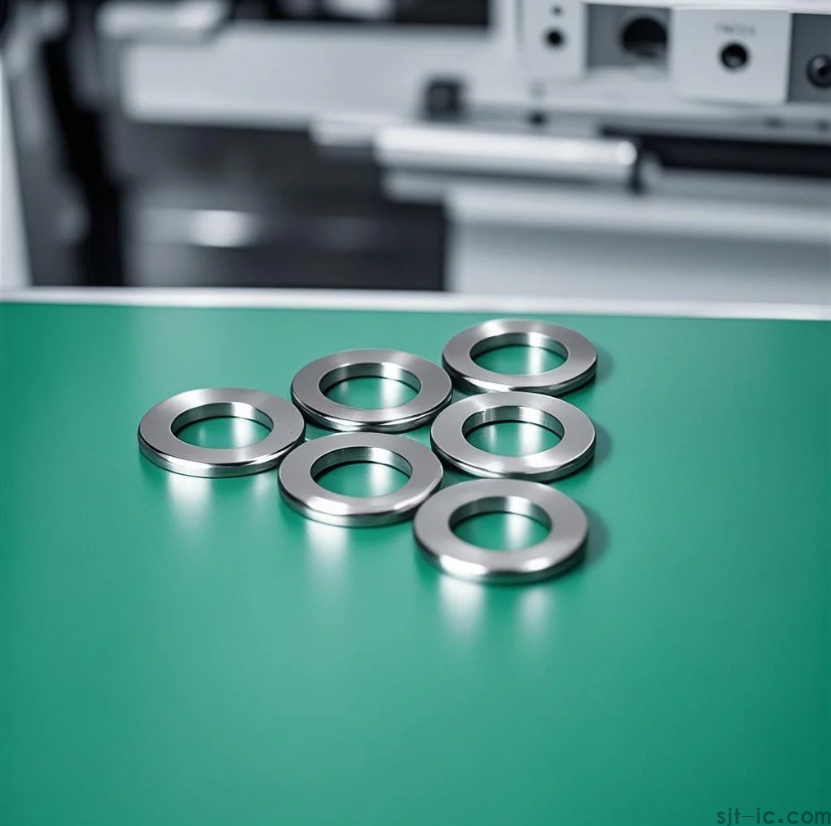
Spacers are small but important components used in many industries, including automotive, electronics, machinery, aerospace, medical equipment, and industrial assembly. Their main purpose is to create a precise gap between two parts, maintain alignment, reduce vibration, and support proper assembly. A spacer may look simple, but even a small error in thickness, diameter, or surface quality can cause problems in the final product.
CNC Machining Spacer production provides a reliable solution for creating high-precision spacers with consistent dimensions and excellent surface finishes. CNC machines can produce simple rings, sleeves, blocks, and custom spacer designs with tight tolerances. This makes CNC machining a suitable choice for both prototype development and large-volume manufacturing.
Spacers help engineers solve many design and assembly challenges. They are often used to control distance, improve mechanical performance, and protect sensitive components. Common applications include:
The performance of a spacer depends heavily on its accuracy. Incorrect thickness or poor surface quality may lead to loose connections, excessive stress, vibration, or premature component failure.
CNC machining is widely used for spacer manufacturing because it offers excellent accuracy, repeatability, and design flexibility. Compared with manual machining methods, CNC technology can maintain consistent quality across many parts.
The main advantages of CNC Machining Spacer production include:
Companies with professional CNC machining experience, such as EMAR, help customers produce customized spacers by combining engineering knowledge, advanced CNC equipment, and strict quality management.
Good spacer design is the foundation of successful machining. Before production begins, engineers must consider the working environment, load requirements, assembly method, and material compatibility. Proper design considerations for CNC-machined spacers help prevent manufacturing problems and improve product performance.
Important design factors include:
During the design stage, engineers should also consider how the spacer will be manufactured. Features that are difficult to machine may increase production time and cost.
The choice of material directly affects spacer performance. Different applications require different levels of strength, weight, corrosion resistance, temperature resistance, and electrical properties. Proper material selection for spacer CNC machining ensures the final part works reliably in its environment.
Plastic spacers are lightweight and often used in electronics, electrical equipment, and applications requiring insulation.
Aluminum is one of the most popular metals for CNC-machined spacers because it combines low weight with good strength.
Steel spacers are selected when higher strength and durability are needed.
EMAR can assist customers in choosing suitable materials based on factors such as mechanical load, operating temperature, corrosion conditions, and production requirements.
The machining process depends on spacer design, material, and required accuracy. Common CNC operations include turning, milling, and drilling.
CNC turning is commonly used for round spacers such as rings and sleeves. During turning, the workpiece rotates while cutting tools remove material from the surface.
Typical turning considerations include:
Sharp carbide cutting tools are often used for metal spacers because they provide good wear resistance and stable cutting performance.
Milling operations in spacer CNC production are used when spacers require flat surfaces, slots, pockets, or complex shapes. CNC milling machines use rotating cutters to remove material accurately.
Drilling creates precise holes for bolts, pins, or assembly connections. Proper tool selection and cutting parameters are important to prevent hole size errors and surface damage.
Although CNC machining provides high accuracy, spacer production still requires careful control. Manufacturers must solve several common challenges.
Challenges in maintaining spacer thickness in CNC machining often occur because spacers may have thin sections or large flat surfaces. Uneven cutting forces or incorrect machining methods can cause thickness variations.
Solutions include:
Thin spacers are more sensitive to heat and cutting pressure. Excessive cutting force may cause bending or distortion.
Manufacturers can reduce warping by:
A smooth surface may be required for proper fitting, reduced friction, or better appearance. Tool condition, cutting parameters, and finishing methods all influence surface quality.
Strict inspection is necessary to ensure every spacer meets customer specifications. Quality control in CNC-made spacers includes checking dimensions, material performance, and surface conditions.
Common quality control methods include:
Experienced CNC manufacturers use inspection procedures throughout the machining process instead of only checking finished parts. This approach helps identify problems early and maintain stable production quality.
Producing reliable spacers requires more than operating a CNC machine. A capable manufacturer should understand material behavior, machining methods, tolerance requirements, and application needs.
EMAR provides CNC machining services for customized spacer parts, supporting customers from design review and material selection to precision machining and quality inspection. With professional manufacturing experience, EMAR helps reduce production risks and delivers spacers that meet demanding specifications.
Whether you need plastic spacers, aluminum spacers, steel spacers, prototypes, or production batches, professional CNC machining can provide the accuracy and consistency required for modern engineering applications.