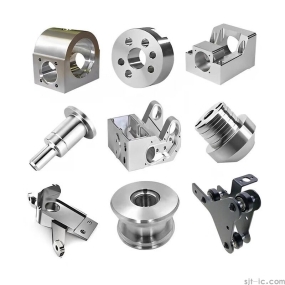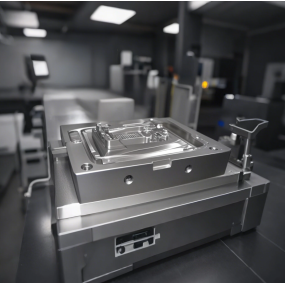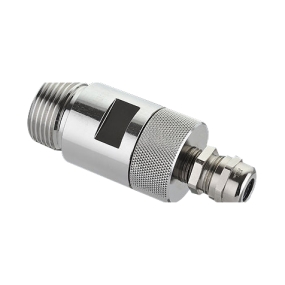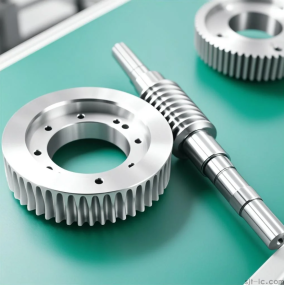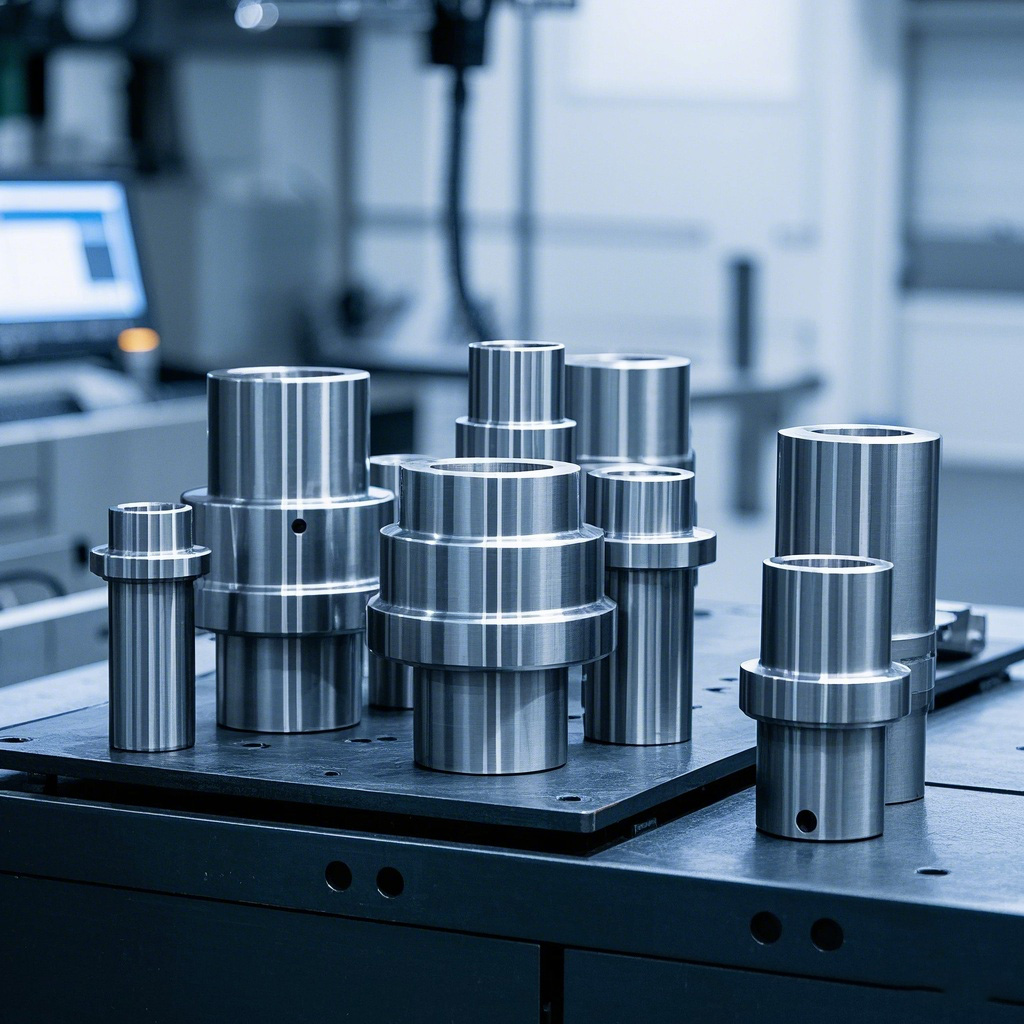
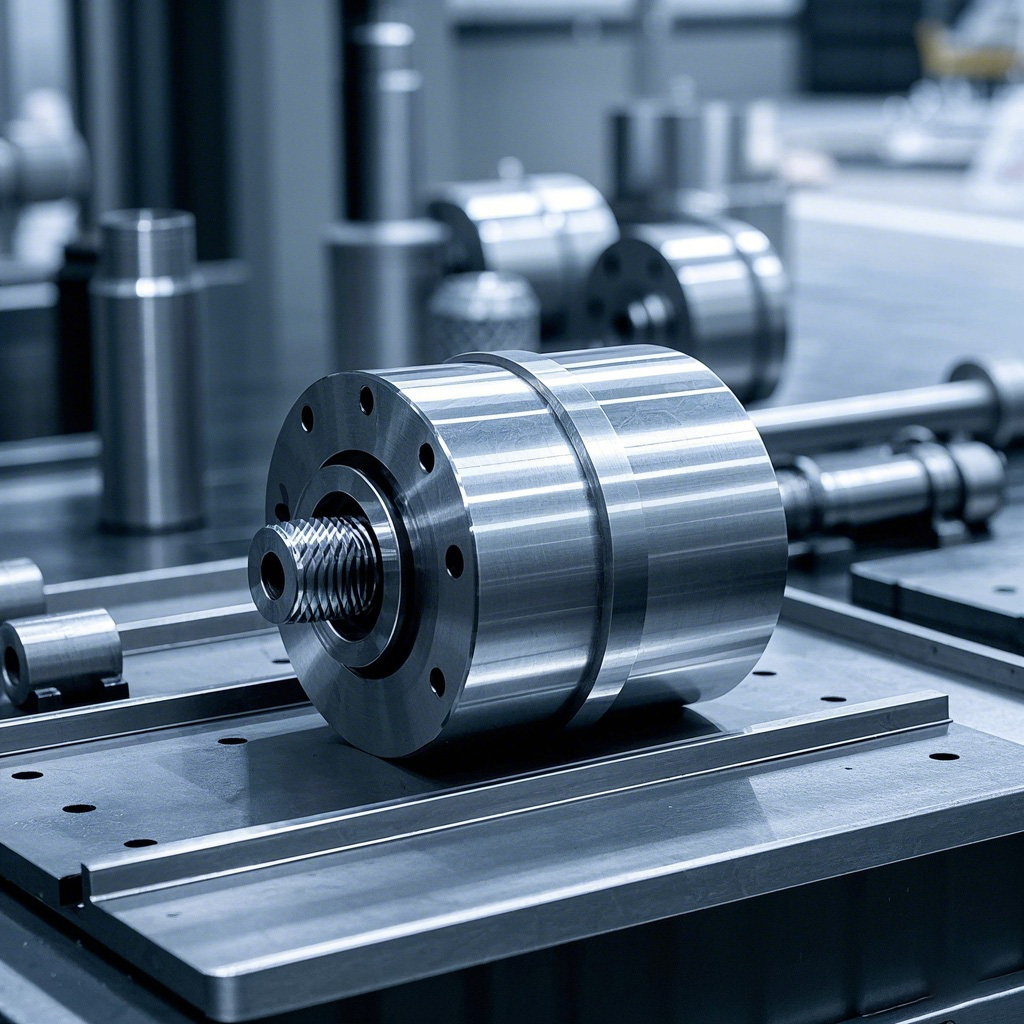
Industrial equipment requires metal parts that are strong, accurate, and reliable. Even a small error in size, shape, or surface finish can affect the performance of an entire machine. This is why many industries depend on Precision CNC Metal Machining Services for Industrial Applications to produce high-quality components with tight tolerances and consistent results.
From automotive systems and aerospace equipment to energy plants, medical devices, and manufacturing machines, precision-machined metal parts help improve safety, efficiency, and product quality. Choosing the right machining partner also requires careful consideration of material selection, machining methods, quality control, cost management, and customization needs.
With advanced CNC equipment, engineering experience, and strict inspection systems, companies like EMAR provide reliable precision CNC metal machining solutions that help industrial customers achieve stable production and long-term performance.
Precision is the foundation of reliable industrial machinery. CNC-machined metal parts must match exact design specifications so that different components can work together smoothly. A small dimensional error may cause problems such as misalignment, excessive friction, faster wear, vibration, and reduced machine efficiency.
For example, in a manufacturing assembly line, accurately machined gears, shafts, fixtures, and connection parts allow automated systems to operate smoothly. When every component meets the required tolerance, machines can maintain stable production speed and reduce unexpected downtime.
In safety-critical industries, precision is not only about performance but also about protecting people and equipment. Industries such as automotive and aerospace require metal parts that can handle high loads, temperature changes, and harsh operating conditions.
For example, precision-made components inside an aircraft engine must maintain exact dimensions and strength to withstand extreme stress during flight. Any deviation from the required specifications may reduce reliability and create serious safety risks.
Precision CNC Machining makes it easier to produce interchangeable parts. In large-scale industrial production, replacement parts with consistent dimensions can be installed quickly without major adjustments.
For example, in a power generation facility, interchangeable CNC-machined components allow maintenance teams to replace damaged parts faster. This reduces repair time, lowers maintenance costs, and helps avoid long production interruptions.
Choosing the correct material is one of the most important steps in CNC machining. The best material depends on the required strength, corrosion resistance, weight, operating environment, and budget. Proper material selection for industrial CNC metal machining helps ensure that parts deliver the expected performance and service life.
Steel is one of the most commonly used materials for industrial CNC machining because it provides a good balance between strength, durability, and cost.
Aluminum is popular in industries that need lightweight parts with good mechanical performance. It has excellent machinability, good thermal conductivity, and a high strength-to-weight ratio.
In automotive manufacturing, aluminum CNC parts help reduce vehicle weight and improve fuel efficiency. In aerospace applications, lightweight aluminum components contribute to better aircraft performance while maintaining structural strength.
Titanium is a premium material known for its high strength-to-weight ratio, corrosion resistance, and biocompatibility. Although titanium is more expensive and more difficult to machine, it provides advantages that are necessary for demanding applications.
Aerospace industries use titanium parts for components such as engine casings and structural elements. Medical and marine industries also rely on titanium when durability, corrosion resistance, and long service life are critical.
Different machining methods are used to create industrial metal components with specific shapes and performance requirements. Understanding the machining processes in industrial metal precision helps customers select the right manufacturing approach for their projects.
CNC milling removes material from metal blocks or sheets to create flat surfaces, slots, pockets, holes, and complex three-dimensional shapes. It is widely used for manufacturing precision parts with detailed geometries.
Common milling cutters include:
Cutting parameters such as cutting speed, feed rate, and depth of cut must be adjusted according to the material. For example, steel often requires lower cutting speeds to reduce tool wear, while aluminum can usually be machined at higher speeds because of its excellent machinability.
CNC turning is mainly used for producing cylindrical parts such as shafts, bushings, pins, and pipes. During turning, the workpiece rotates while cutting tools remove material to achieve the required diameter, length, and surface finish.
CNC lathes precisely control spindle speed, feed rate, and cutting depth. Tool selection is also important. For example, carbide inserts are commonly used when machining harder metals such as steel because they provide better wear resistance and longer tool life.
Drilling and boring processes create accurate holes for bolts, pins, bearings, and other mechanical connections. Proper tool selection is essential because different metals and hole sizes require different drill types and cutting conditions.
Maintaining hole straightness and dimensional accuracy is critical. For deep-hole machining, specialized tools and techniques may be needed to control heat, chip removal, and tool stability.
Grinding is used when industrial parts require extremely tight tolerances and smooth surface finishes. It is often the final machining process for high-precision components.
Selecting the correct abrasive wheel and maintaining the wheel through proper dressing helps maintain cutting performance. Hydraulic components and precision mechanical parts often require grinding to achieve the necessary accuracy.
High-quality CNC machining requires strict inspection at every stage of production. The quality control of industrial CNC metal machining process ensures that every part meets customer specifications and industry requirements.
During machining, manufacturers use advanced measuring tools to monitor accuracy and prevent errors. Common inspection equipment includes:
Real-time monitoring allows operators to identify machining deviations quickly. Adjustments can then be made before producing defective parts, improving efficiency and reducing material waste.
Before delivery, precision CNC metal parts may go through several final tests, including:
Reliable CNC machining providers follow recognized standards such as ISO 9001 for general manufacturing quality management and AS9100 for aerospace-related production requirements.
Precision machining does not always mean high production costs. Careful planning, efficient processes, and proper material choices can help businesses achieve excellent value. Understanding cost-effectiveness in industrial metal machining helps customers control budgets while maintaining quality.
Production quantity has a major impact on machining costs. Large-volume orders usually have lower costs per part because setup expenses can be spread across many components.
For small-batch production, setup costs may represent a larger portion of the total expense. Customers can reduce costs by optimizing part designs, combining similar projects, or selecting machining methods that require fewer setups.
A well-designed part can reduce machining time and production costs. Engineers can often lower expenses by:
Working with an experienced CNC machining provider during the design stage can help identify cost-saving opportunities without reducing performance.
The most expensive material is not always the best choice. The ideal material should provide the required performance at a reasonable cost.
For example, some industrial applications may not require premium titanium and can use alloy steel or stainless steel instead. Selecting materials based on actual operating conditions helps reduce costs while maintaining reliability.
Industrial applications often require unique components that cannot be purchased as standard products. Customization in industrial CNC metal services allows manufacturers to create parts with specific sizes, shapes, and functions.
CNC machining supports custom production for many industries. Examples include:
Advanced CNC technology allows complex designs to be converted into accurate physical components while maintaining repeatable quality.
Successful customization requires close communication between customers and machining experts. A professional CNC machining partner should understand the application requirements, recommend suitable materials and processes, and help improve the design when needed.
EMAR works closely with customers to provide precision CNC metal machining solutions for industrial applications. By combining engineering knowledge, advanced manufacturing equipment, and strict quality management, EMAR helps businesses develop reliable metal components that meet demanding industrial requirements.
Precision CNC metal machining plays an essential role in modern industrial manufacturing. Accurate machining improves equipment functionality, safety, and part interchangeability while reducing maintenance problems and production downtime.
Choosing the right material, machining process, quality control system, and manufacturing partner is key to achieving successful results. With professional expertise and customer-focused solutions, precision CNC machining services can help industries produce stronger, safer, and more efficient products.