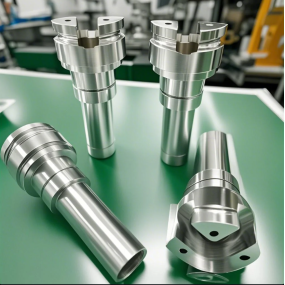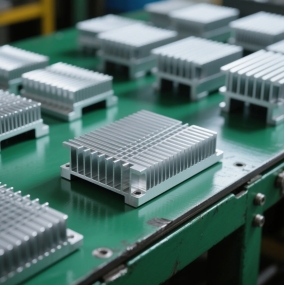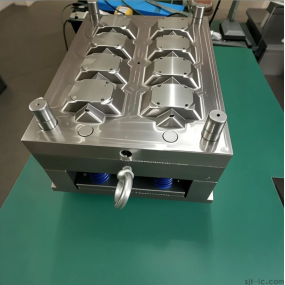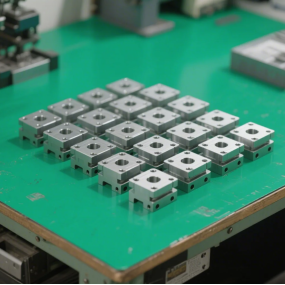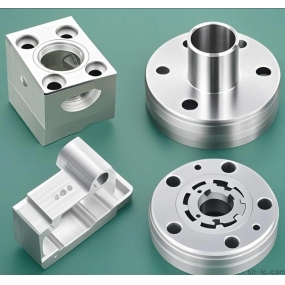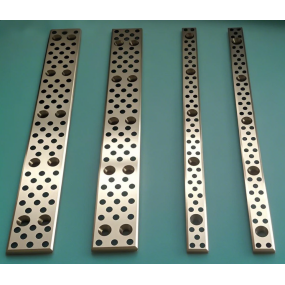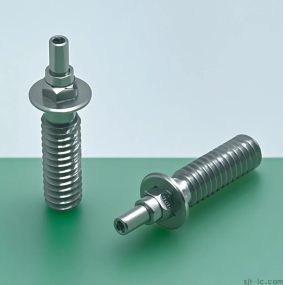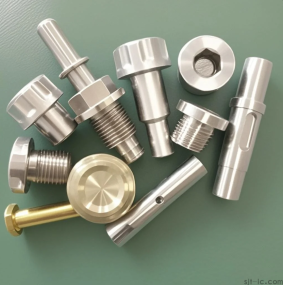

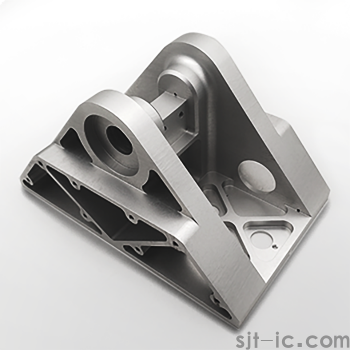
Train components must work safely under heavy loads, repeated movement, and changing environments. Every part, from mechanical connection parts to braking system components, requires high strength and accurate dimensions. CNC Machining Train Components provides manufacturers with a reliable way to produce complex train parts with high precision and consistent quality.
For companies looking for custom railway parts, understanding the machining process, material choices, precision requirements, and inspection methods is important. This guide explains the key points of CNC machining for train components in simple language and helps you make better decisions when choosing a machining partner.
Train components often operate in demanding conditions. A small size error or weak material choice can affect safety, performance, and service life. CNC machining uses computer-controlled machines to remove material from metal blocks and create parts with accurate shapes and dimensions.
Compared with traditional machining methods, CNC machining offers:
For railway manufacturers, these advantages make CNC machining a practical solution for producing reliable and long-lasting components.
The steps in CNC machining train components usually include design preparation, material selection, machining, inspection, and final finishing. Each stage affects the final performance of the part.
The process starts with a 3D model or technical drawing. Engineers check the part structure, dimensions, tolerances, and machining requirements. The CNC programmer then creates machine instructions that control cutting movements, tool paths, and machining speed.
The selected raw material is cut into a suitable size before machining. The material must match the working environment of the train component, including load pressure, vibration, temperature changes, and corrosion risks.
CNC machines perform operations such as milling, turning, drilling, and surface machining. Advanced equipment can produce complex shapes while maintaining stable accuracy throughout production.
Some train components require additional treatments to improve wear resistance, corrosion protection, or surface smoothness. Common finishing methods include polishing, coating, and heat treatment.
Before delivery, machined parts are checked according to technical drawings and customer requirements. Only qualified components should move to assembly or installation.
Choosing the right material is one of the most important factors in railway part production. The suitable materials for train component CNC machining depend on the part function, operating conditions, and required strength.
A professional CNC machining supplier should help customers select materials based on actual operating conditions instead of simply choosing the lowest-cost option.
The precision needed for train component CNC machining depends on the role of each part. Some structural parts may allow wider tolerances, while safety-related components often require much tighter control.
Important precision factors include:
Using modern CNC equipment, experienced technicians, and proper inspection tools helps manufacturers achieve the accuracy required for railway applications.
Railway parts require strict quality management because they directly influence safety and reliability. Strong quality assurance in CNC machining train components includes inspection at different production stages, not only checking the final product.
Before machining begins, suppliers should confirm material type, hardness, and quality certifications. This prevents problems caused by incorrect raw materials.
During machining, operators monitor machine settings, cutting tools, and production conditions. Regular checks help prevent errors and maintain stable results.
Finished components are inspected using precision measuring equipment. Depending on customer requirements, inspections may include dimensional testing, surface checks, and performance verification.
A complete quality system reduces production risks and helps ensure that train components meet industry expectations.
Manufacturing railway components can involve several challenges, including:
Working with an experienced CNC machining company can help solve these challenges through professional engineering support, advanced equipment, and careful production management.
EMAR's excellence in CNC machining train components comes from a focus on precision manufacturing, engineering support, and consistent quality control. EMAR provides CNC machining solutions for customers who need reliable custom train components with strict production requirements.
With experience in precision machining, EMAR supports customers from early design review to final production. The company focuses on improving manufacturability, selecting suitable materials, controlling machining accuracy, and ensuring every component meets customer expectations.
For railway manufacturers and suppliers, choosing a capable CNC machining partner can improve production efficiency, reduce quality risks, and support long-term product reliability.
When selecting a CNC machining supplier, consider the following points:
A reliable supplier should not only produce parts but also provide solutions that improve performance, reduce costs, and support successful project completion.
CNC Machining Train Components requires careful control of every stage, from design and material selection to machining accuracy and quality inspection. By understanding the steps in CNC machining train components, choosing suitable materials, and maintaining strict quality standards, manufacturers can create safer and more durable railway parts.
Professional CNC machining providers like EMAR help customers achieve reliable results through advanced manufacturing capabilities, engineering knowledge, and attention to detail. For companies needing high-quality train components, a trusted machining partner is a key part of successful production.