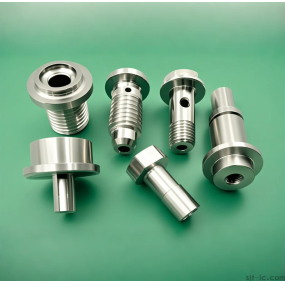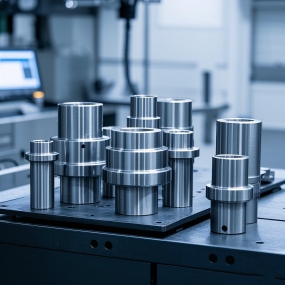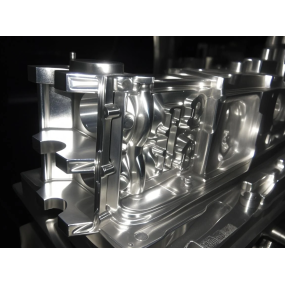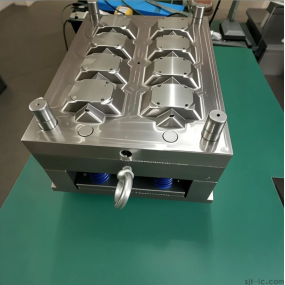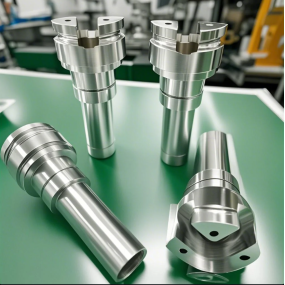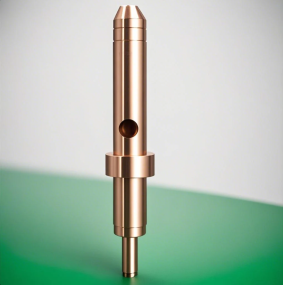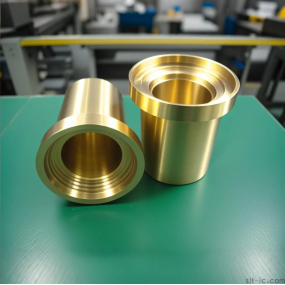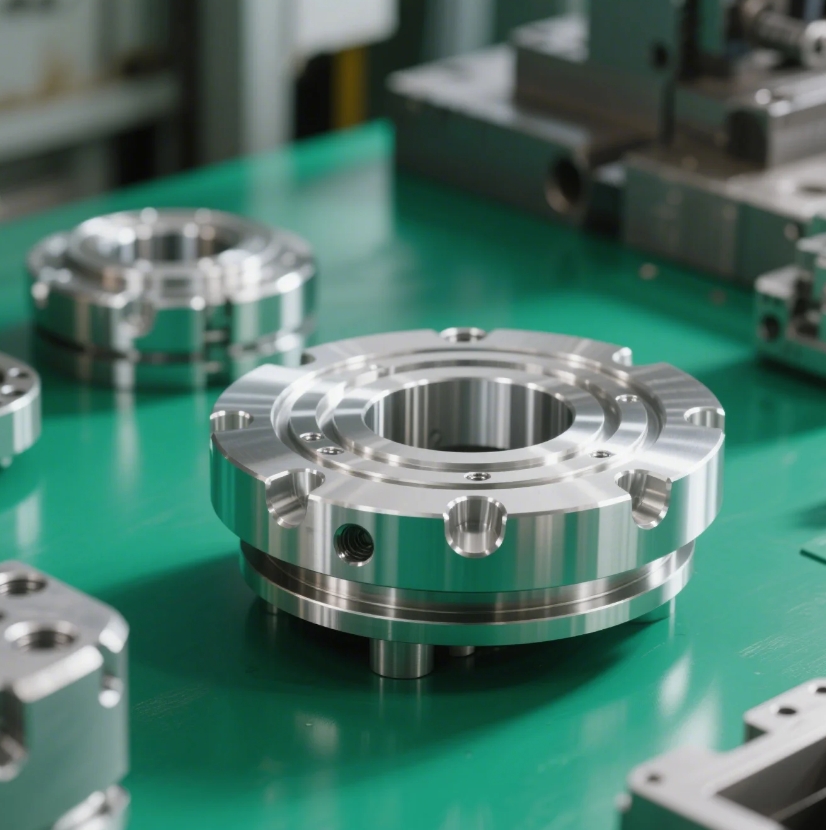
CNC Aluminum Parts Machining is widely used in industries such as aerospace, automotive, electronics, medical equipment, and automation because aluminum parts require high precision, good strength, and reliable performance. However, choosing the right aluminum material, controlling machining accuracy, reducing production costs, and maintaining consistent quality are common concerns for many customers.
A professional CNC Machining partner helps solve these challenges by combining advanced equipment, experienced engineers, suitable machining methods, and strict inspection systems. Companies like EMAR provide CNC aluminum machining services focused on producing accurate, durable, and cost-effective aluminum components for different applications.
Aluminum is one of the most commonly used materials in CNC machining because it offers an excellent combination of performance, machinability, and affordability. Compared with many other metals, aluminum is easier to cut while still providing the strength needed for many industrial applications.
Because of these advantages, CNC aluminum parts machining is often selected when manufacturers need lightweight, accurate, and reliable components.
The material selection for CNC aluminum parts is an important step because different aluminum alloys have different levels of strength, hardness, corrosion resistance, and machinability. Choosing the wrong material can increase costs or affect the final product performance.
6061 aluminum is one of the most popular choices for CNC machining. It provides a good balance between strength, machinability, corrosion resistance, and cost. It is easy to process and suitable for general-purpose applications.
Common applications include machine frames, brackets, automotive parts, electronic housings, and industrial components.
6063 aluminum is known for its excellent surface finish and good corrosion resistance. It is commonly used when appearance and extrusion performance are important.
Typical applications include architectural parts, decorative components, window frames, and lightweight structures.
7075 aluminum offers much higher strength compared with 6061 aluminum. It is often selected for demanding applications that require excellent mechanical performance.
Typical uses include aerospace components, high-performance mechanical parts, aircraft structures, and precision equipment.
2024 aluminum has high strength and good fatigue resistance. It is widely used in aerospace and transportation industries where strong and durable parts are required.
However, 2024 aluminum has lower corrosion resistance than some other alloys, so surface treatments may be needed.
The machining operations in CNC aluminum machining include several processes that shape raw aluminum materials into precise finished parts. The correct machining method depends on the part design, tolerance requirements, and production volume.
CNC milling uses rotating cutting tools to remove aluminum material and create complex shapes, slots, holes, and surfaces. It is one of the most common methods for producing aluminum parts.
Common tools: High-speed steel (HSS) end mills and carbide end mills are widely used. Carbide tools are preferred for higher-speed production because they offer better wear resistance.
Recommended cutting considerations:
CNC turning is mainly used for round aluminum parts. The workpiece rotates while a cutting tool removes material to create cylindrical shapes.
Common tools: Carbide turning inserts are commonly used because they provide stable cutting performance and longer tool life.
Recommended cutting considerations:
CNC drilling creates accurate holes for assembly, fastening, and functional requirements. Aluminum drilling requires good chip control because aluminum chips can become long and difficult to remove.
Common tools: Carbide drills or aluminum-specific drill bits are commonly selected.
Recommended cutting considerations:
Grinding is used when aluminum parts require very smooth surfaces or extremely accurate dimensions.
Common tools: Fine grinding wheels designed for aluminum are used to prevent clogging.
Recommended cutting considerations:
The handling challenges in CNC aluminum parts requires professional experience because aluminum has unique machining characteristics. Although aluminum is easy to cut, improper processes can cause quality problems.
Aluminum produces soft chips that may stick together and block cutting areas. Poor chip removal can reduce machining accuracy and damage tools.
Solutions:
Aluminum can stick to cutting tools, creating built-up edges and affecting surface quality.
Solutions:
Precision aluminum parts often require very small dimensional variations. Temperature changes, tool wear, and machine stability can affect accuracy.
Solutions:
Quality control in CNC-machined aluminum parts is essential to ensure every component meets customer requirements. Reliable manufacturers use multiple inspection steps instead of checking only the final product.
During machining, engineers inspect critical dimensions and machining conditions. This helps identify problems early and prevents large numbers of defective parts.
Common inspection methods include:
After machining, finished aluminum parts may undergo different tests depending on application requirements.
Professional CNC manufacturers also follow industry standards and quality management systems to provide consistent results. EMAR applies strict quality control procedures throughout the CNC aluminum machining process to help customers receive reliable parts.
Cost-effectiveness in CNC aluminum machining depends on many factors, including material choice, production quantity, part complexity, and machining efficiency.
Large production runs usually reduce the average cost per part because machine setup time and programming costs are spread across more units. For small batches, manufacturers may focus on flexible production methods to control expenses.
Different aluminum alloys have different prices. Selecting the right alloy based on actual performance requirements can prevent unnecessary material expenses.
For example, using 7075 aluminum for a simple bracket may increase costs without providing additional benefits. A 6061 alloy may provide enough performance at a lower price.
Parts with complex shapes, deep cavities, and strict tolerances usually require more machining time and advanced equipment. Optimizing part design and selecting suitable machining methods can reduce production costs.
Selecting a reliable CNC machining supplier is important for achieving accurate, high-quality aluminum parts. Customers should consider several factors:
With experience in precision manufacturing, EMAR supports customers with CNC aluminum parts machining services, from material selection and process planning to machining and quality inspection. Their expertise helps industries create reliable aluminum components while balancing performance, accuracy, and production cost.
By understanding aluminum materials, machining methods, quality requirements, and cost factors, businesses can make better decisions and achieve successful CNC aluminum machining projects.