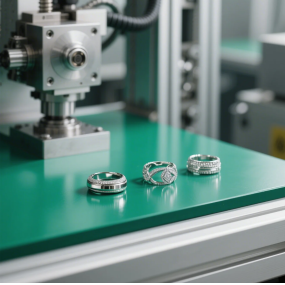
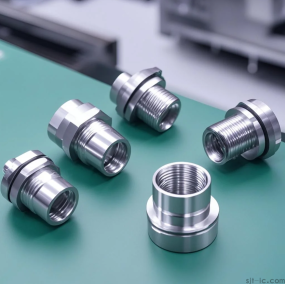
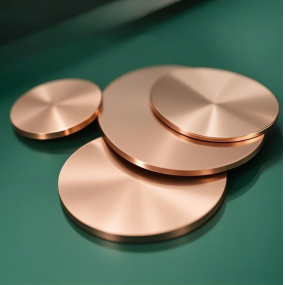
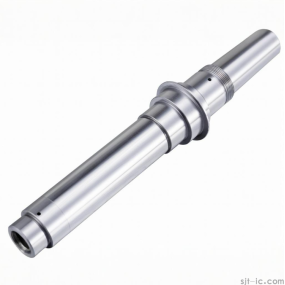
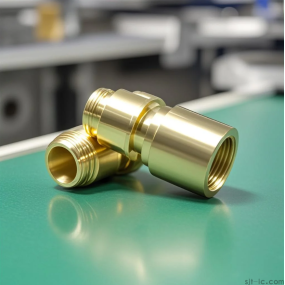
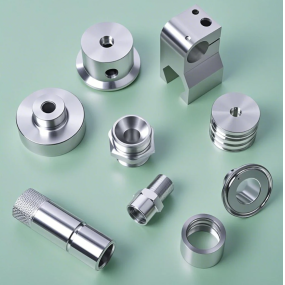
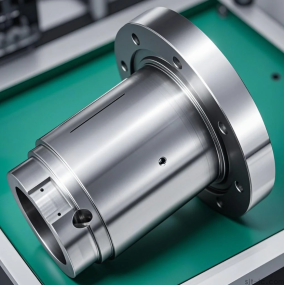
When standard metal parts cannot meet your product requirements, CNC Metal Parts Machining Customization provides a practical solution. Many industries need metal components with special sizes, shapes, tolerances, materials, or surface finishes. Custom CNC Machining allows manufacturers to create parts that match exact project needs instead of changing product designs to fit available parts.
From prototype development to small-batch and large-volume production, customized CNC metal parts help companies improve product quality, reduce assembly problems, and achieve better performance. Working with an experienced CNC machining supplier, such as EMAR, can help customers turn complex designs into reliable metal components through professional engineering support and advanced machining capabilities.
Many customers face challenges when purchasing standard metal parts. Common problems include incorrect dimensions, limited material choices, poor compatibility with existing systems, or designs that cannot achieve the required performance. Custom CNC machining solves these problems by creating parts based on specific technical requirements.
The main benefits of CNC metal parts customization include:
For industries such as automotive, aerospace, medical equipment, electronics, and industrial automation, customized CNC metal parts can provide important advantages over general-purpose components.
A successful custom machining project requires close communication between the customer and the machining supplier. The customization process in CNC metal machining usually includes several important steps.
The first step is understanding the customer's requirements. Engineers review part drawings, CAD files, application conditions, and performance expectations. Important details include:
Professional suppliers like EMAR work with customers during the design stage to identify possible machining challenges and suggest improvements that can reduce manufacturing difficulties while maintaining product performance.
The correct material directly affects the function, cost, and service life of a customized part. The material selection for customized CNC metal parts depends on the application requirements.
Common CNC metal materials include:
An experienced machining partner can help select the best material based on performance requirements and budget considerations.
After design and material confirmation, the part enters the machining stage. Different CNC processes may be used depending on the part structure and production needs.
Modern CNC equipment allows manufacturers to produce complex customized metal parts with high precision and repeatability.
Quality is one of the most important concerns in custom machining. A part may look correct but still fail if dimensions, tolerances, or material properties do not meet requirements. Strong inspection systems help prevent these issues.
Quality control in customized CNC metal part production usually includes:
EMAR focuses on reliable manufacturing processes and strict quality management to help customers receive customized CNC metal parts that meet technical requirements.
Many customers worry that customized machining is too expensive. In reality, cost depends on several factors, and proper planning can help control expenses.
The main cost-related aspects of CNC metal parts customization include:
To achieve a balance between quality and cost, customers should discuss their requirements with machining experts early in the design stage. Design optimization can often reduce unnecessary machining operations and improve production efficiency.
Customized CNC metal parts are not only about creating a specific shape. They can also improve the overall performance of a product.
Examples include:
By combining engineering knowledge, suitable materials, and accurate machining methods, CNC customization helps companies create products that perform better and last longer.
Selecting the right machining supplier is important for project success. A reliable partner should have experience with different metals, advanced CNC equipment, strong quality control systems, and the ability to support customers from design to production.
EMAR provides CNC metal parts machining customization services with engineering support, precision manufacturing experience, and flexible production solutions. Whether customers need prototypes, customized components, or production batches, EMAR helps transform ideas into accurate and dependable metal parts.
For companies looking for high-quality customized CNC metal components, choosing a supplier with professional communication, manufacturing expertise, and strict quality management can reduce risks and improve final product results.