
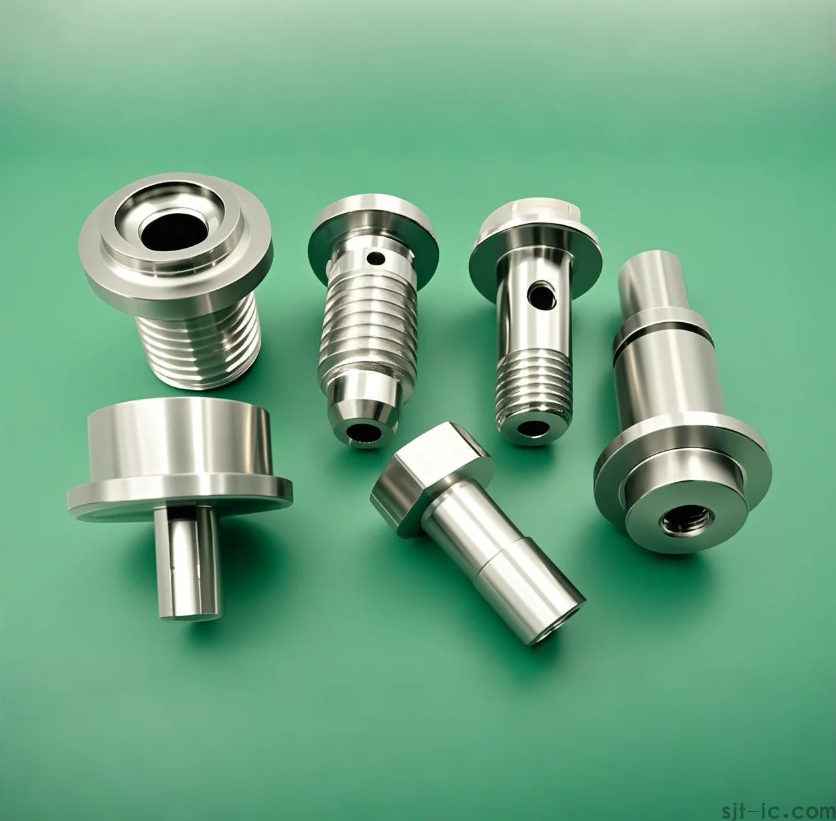
Medical devices require extremely high levels of accuracy, safety, and reliability. Even a small error in a medical component can affect device performance and patient safety. This is why CNC Precision Medical Parts Machining has become an important manufacturing solution for producing complex medical parts with tight tolerances and consistent quality.
For engineers, medical equipment manufacturers, and purchasing teams, choosing the right machining partner is not only about production speed. It is also about understanding materials, quality standards, regulatory expectations, and cost control. This guide explains the key points you need to know before starting a CNC precision medical parts machining project.
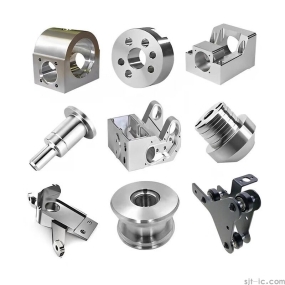
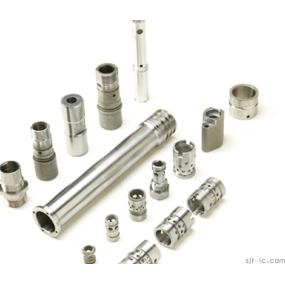
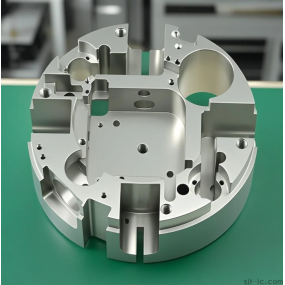
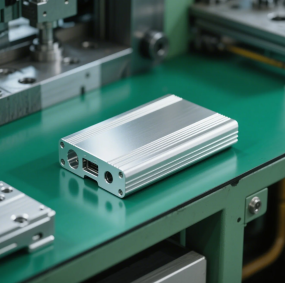
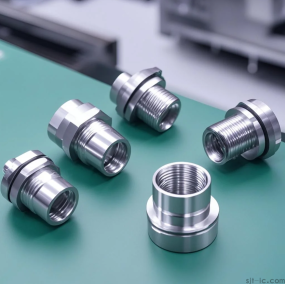
CNC Precision Medical Parts Machining is a manufacturing process that uses computer-controlled machines to produce highly accurate medical components from different materials. CNC machines can perform operations such as milling, turning, drilling, and grinding to create parts with complex shapes and very small tolerances.
Compared with traditional manual machining, CNC Machining offers better repeatability and higher precision. This makes it suitable for medical applications such as surgical instruments, diagnostic equipment parts, implants, medical connectors, and laboratory devices.
Many medical parts require features that are difficult to achieve with ordinary manufacturing methods, including:
Medical products often work in sensitive environments where accuracy directly affects function. For example, a surgical tool must fit correctly and operate smoothly, while diagnostic equipment components must maintain reliable performance to provide accurate results.
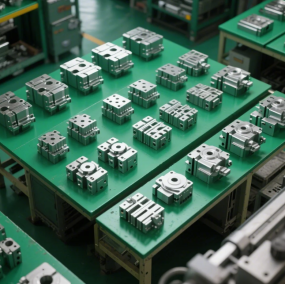
CNC machining helps manufacturers achieve consistent results because every production step follows programmed instructions. This reduces human errors and improves part-to-part consistency, especially for large-volume medical production.
Selecting the correct material is one of the most important decisions in medical part production. Different medical applications require different material properties, such as corrosion resistance, strength, lightweight design, or biocompatibility.
Common materials suitable for CNC precision medical parts machining include:
The best material choice depends on the part function, sterilization method, operating environment, and industry requirements. Experienced CNC suppliers can help customers select suitable materials before production begins.
A professional machining process includes several important stages to ensure accuracy and reliability.
Quality control is one of the biggest concerns for medical manufacturers. A reliable machining supplier must have strict inspection systems to ensure every part meets design requirements.
Quality control in CNC precision medical parts machining usually includes:
Advanced inspection tools, such as coordinate measuring machines (CMM), help verify complex medical components with high accuracy. Documentation and traceability are also important because medical manufacturers often need clear production records.
Medical manufacturing is highly regulated because products must protect patient safety. Companies involved in CNC medical machining need to understand industry standards and customer compliance requirements.
Important regulatory requirements for CNC precision medical parts machining may include:
A machining supplier with experience in medical applications can help reduce compliance risks by applying strict production controls and maintaining consistent manufacturing procedures.
Medical parts often require higher precision than standard industrial components, which means production costs can vary depending on many factors.
The main cost factors in CNC precision medical parts machining include:
To control costs, manufacturers should involve machining experts early in the design stage. Design optimization can reduce unnecessary processing steps while maintaining medical performance requirements.
Selecting the right supplier is critical for medical projects. A capable machining partner should provide more than basic CNC production. They should understand medical industry expectations and offer complete manufacturing support.
Important factors to consider include:
A supplier with proven experience can help identify manufacturing risks early and provide solutions that improve product quality and production efficiency.
EMAR has developed strong expertise in precision CNC manufacturing and supports customers with complex medical part requirements. EMAR's capabilities in CNC precision medical parts machining include precision machining services, material selection support, strict quality inspection, and customized production solutions.
By combining experienced engineers, advanced CNC equipment, and careful quality control processes, EMAR helps customers produce reliable medical components that meet demanding accuracy requirements. From prototype development to repeat production, EMAR focuses on stable quality, efficient manufacturing, and professional technical support.
CNC Precision Medical Parts Machining plays a key role in modern medical manufacturing. Choosing the right materials, controlling quality, understanding regulations, and managing costs are essential steps for successful medical part production.
A reliable CNC machining partner can help transform complex medical designs into accurate, safe, and high-quality components. With the right manufacturing approach, companies can improve product performance while meeting the strict expectations of the medical industry.