
CNC Precision Machining Factory
In modern manufacturing, precision is not optional—it is essential. A CNC Precision Machining Factory plays a key role in producing accurate, durable…
Published by EMAR TECH CO., LTD.
Request a machining reviewIn modern manufacturing, precision is not optional—it is essential. A CNC Precision Machining Factory plays a key role in producing accurate, durable, and complex parts used in industries like automotive, aerospace, medical devices, electronics, and industrial machinery. For many buyers, however, choosing the right factory can feel confusing and risky, especially when quality and cost are both important.
This article explains what a CNC precision machining factory does, what to look for, and how to avoid common problems when sourcing parts. It is written in simple English to help international buyers make better decisions with confidence.
What Is a CNC Precision Machining Factory?
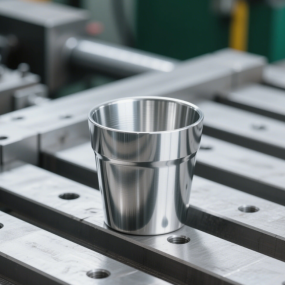
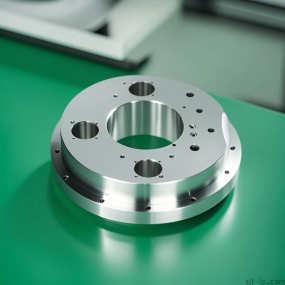
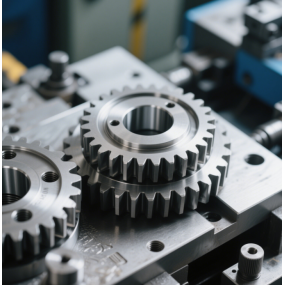
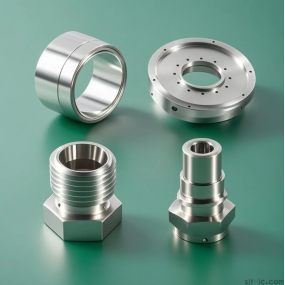
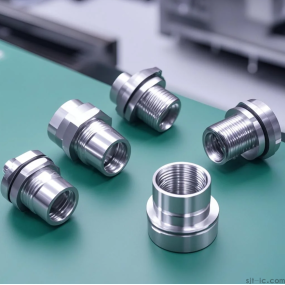
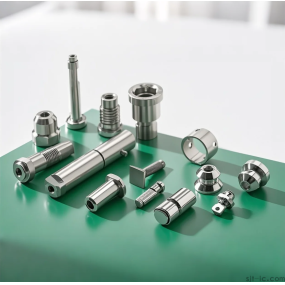
A CNC Precision Machining Factory is a manufacturing facility that uses computer-controlled machines (CNC machines) to produce highly accurate metal or plastic parts. CNC stands for Computer Numerical Control. These machines follow digital instructions to cut, drill, mill, and shape raw materials into finished components.
Unlike manual machining, CNC Machining reduces human error and ensures consistent quality, even for large production runs. This is why industries that require tight tolerances rely heavily on CNC precision machining factories.
Factors to Consider When Choosing a CNC Precision Machining Factory
Choosing the right supplier is one of the most important decisions in your supply chain. Here are key factors to consider when choosing a CNC precision machining factory:
- Technical capability: Check if the factory has multi-axis CNC machines, advanced equipment, and experience with complex parts.
- Material expertise: A good factory should handle aluminum, stainless steel, brass, titanium, and engineering plastics.
- Engineering support: Strong communication and design feedback can help improve manufacturability and reduce cost.
- Production capacity: Ensure they can handle both small prototype orders and large-scale production.
- Certifications: ISO or other quality certifications show commitment to standardized processes.
Ignoring these factors may lead to delays, poor quality, or unexpected costs.
Services Offered by a CNC Precision Machining Factory
A professional factory provides more than just machining. The services offered by a CNC precision machining factory usually include a full production solution:
- CNC milling and CNC turning
- 5-axis machining for complex geometries
- Prototype development and rapid sampling
- Surface finishing such as anodizing, polishing, and coating
- Assembly and sub-assembly services
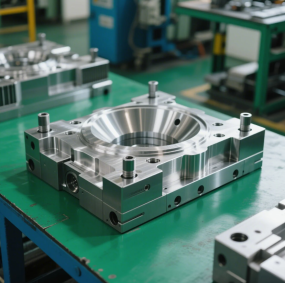
- Custom tooling and fixture design
These services help customers reduce the need to work with multiple suppliers, saving both time and communication costs.
Quality Control in a CNC Precision Machining Factory
High accuracy is the core value of CNC machining. That is why quality control in a CNC precision machining factory is extremely important.
Reliable factories use multiple inspection steps throughout production:
- Incoming material inspection to ensure raw materials meet standards
- In-process inspection using precision measuring tools like CMM (Coordinate Measuring Machine)
- First article inspection before mass production
- Final inspection and documentation before shipping
Good quality control systems reduce defects, improve consistency, and ensure that every part meets customer specifications.
Cost-Effectiveness of a CNC Precision Machining Factory
Many buyers assume that CNC machining is expensive, but the reality depends on efficiency and engineering optimization. The cost-effectiveness of a CNC precision machining factory comes from several factors:
- Efficient machine programming reduces material waste
- Batch production lowers per-unit cost
- Advanced machines reduce labor time
- Design optimization helps simplify complex parts
A professional factory can often help customers reduce total project cost by improving design and production methods, even if the unit price seems slightly higher at first.
Advantages of a Professional CNC Precision Machining Factory
Working with a professional partner brings many long-term benefits. The advantages of a professional CNC precision machining factory include:
- High dimensional accuracy and repeatability
- Stable production quality for long-term projects
- Faster lead times due to optimized workflows
- Engineering support for complex designs
- Reduced risk of production errors and delays
These advantages are especially important for industries where even small errors can cause product failure or safety risks.
Why Choose EMAR as Your CNC Precision Machining Partner?
When selecting a reliable CNC Precision Machining Factory, experience and consistency matter. is focused on delivering stable quality, engineering support, and cost-efficient manufacturing solutions for global customers.
EMAR combines modern CNC equipment with strict quality control systems to ensure every part meets customer requirements. From prototype development to mass production, the company supports a wide range of industries with precision machining services.
What makes EMAR stand out is its focus on communication and manufacturability. The engineering team helps customers optimize designs to improve performance while reducing production cost and lead time.
Conclusion
A CNC Precision Machining Factory is more than just a production site—it is a key partner in your product development and supply chain success. By carefully evaluating technical capability, services, quality control, and cost efficiency, you can choose a supplier that supports long-term growth.
Working with a professional partner like EMAR helps ensure stable quality, better engineering support, and reliable delivery. In today’s competitive manufacturing environment, the right factory choice can directly impact your product success.