
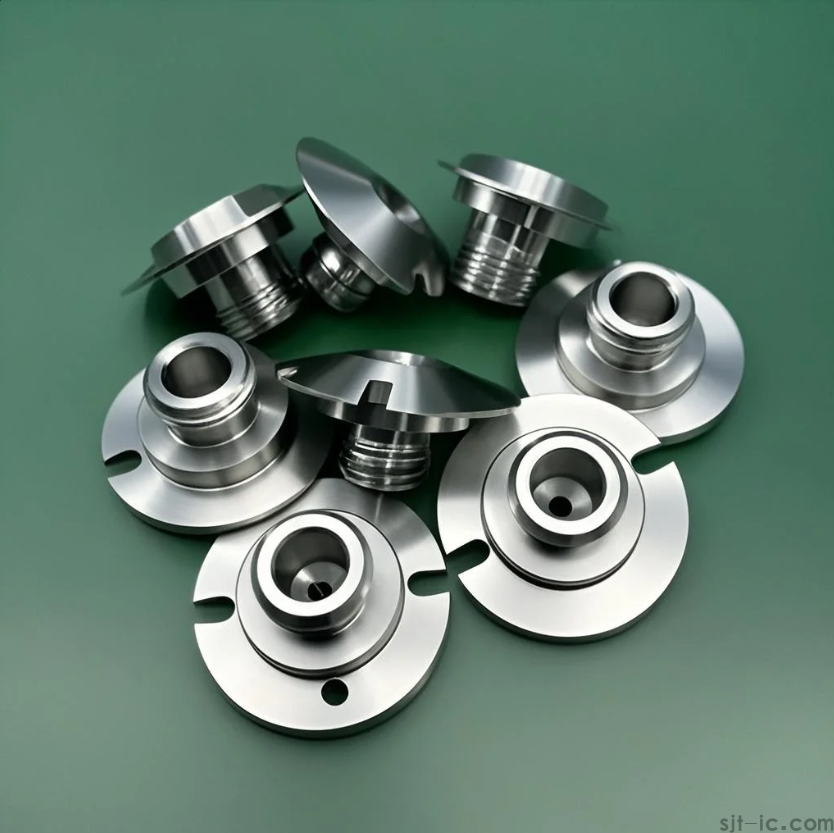
When businesses need custom metal parts, one of the first questions they ask is: How much does CNC turning service cost? The answer depends on many factors, including the material used, part design, production quantity, machine time, tooling needs, and finishing requirements.
CNC turning is a precise manufacturing process used to produce cylindrical and round parts with high accuracy. It is widely used in industries such as automotive, aerospace, medical equipment, electronics, and industrial machinery. Understanding the cost factors can help companies plan their budgets, reduce unnecessary expenses, and choose the right manufacturing partner.
This guide explains the main factors that affect CNC turning service pricing and provides practical information to help you estimate your project cost.
The cost of CNC turning services can range from a few dollars for simple, high-volume parts to hundreds or even thousands of dollars for complex, low-volume precision components. Most suppliers calculate prices based on:
A simple prototype part may cost more per piece because setup and programming costs are spread over fewer units. In contrast, larger production runs usually reduce the average cost per part.
One of the biggest factors affecting CNC turning prices is the material selected for the part. Different materials require different machining methods, cutting tools, and processing times.
The material cost impact on CNC turning service can be significant because raw material prices vary widely. Common CNC turning materials include:
For example, machining aluminum parts is usually faster and cheaper than machining hardened steel or titanium parts. Selecting the right material based on performance requirements can help control costs without reducing product quality.
The design of the part has a direct effect on CNC turning costs. Simple parts with basic shapes require less programming time and fewer machining operations. Complex parts with tight tolerances, deep holes, threads, grooves, or special geometries require more time and advanced equipment.
Part complexity and CNC turning pricing are closely connected because complicated designs often need:
Before production begins, engineers usually review the part drawing and 3D model to identify possible design improvements. Small changes, such as reducing unnecessary features or improving tool access, can lower machining costs.
The number of parts ordered affects the final CNC turning price. A single prototype and a production order of thousands of pieces have very different cost structures.
The batch size effects on CNC turning cost can be explained as follows:
If you need repeated production, working with a CNC turning supplier that can optimize processes for larger batches can provide better long-term savings.
CNC turning companies usually calculate part of their pricing based on machine operating time. The machine-hour rate includes equipment operation, maintenance, labor, energy costs, and factory expenses.
The machine-hour rate in CNC turning service pricing depends on several factors:
A standard CNC lathe may have a lower hourly rate than a multi-axis CNC turning center with advanced automation. However, advanced machines can often complete complex parts faster and reduce total production costs.
Cutting tools are necessary for CNC turning operations, and tool requirements can influence the total price. Standard tools are usually included in normal machining costs, but special tools or custom fixtures may increase expenses.
Tooling costs may include:
For high-volume orders, investing in optimized tooling can reduce production time and lower the cost per part.
Many CNC turned parts require additional finishing processes to improve appearance, durability, or performance. These extra steps add to the overall cost.
The finishing cost in CNC turning services depends on the required surface treatment and processing method.
Parts with basic machining finishes usually cost less than components requiring multiple post-processing steps.
Companies can lower CNC turning expenses by making smart decisions during design and production planning.
Choosing the right CNC turning supplier is important because low cost should not mean low quality. EMAR provides cost-effective and high-quality CNC turning services by combining advanced machining equipment, experienced engineers, and strict quality control processes.
EMAR helps customers control manufacturing costs through efficient production planning, suitable material recommendations, optimized machining methods, and reliable inspection procedures. Whether you need prototypes, small batches, or large production orders, EMAR focuses on delivering precision parts while maintaining competitive pricing.
To receive a reliable CNC turning quotation, customers should provide complete project information, including:
A detailed drawing allows manufacturers to calculate machining time, tooling needs, and processing requirements more accurately.
So, how much does CNC turning service cost? There is no single fixed price because every project has different requirements. Material selection, part complexity, batch size, machine time, tooling, and finishing processes all influence the final cost.
By understanding these cost factors, businesses can make better decisions, avoid unexpected expenses, and select a CNC turning partner that provides both quality and value. A reliable supplier like EMAR can help achieve accurate, efficient, and cost-effective CNC turning solutions for different industrial applications.