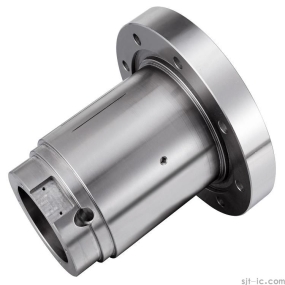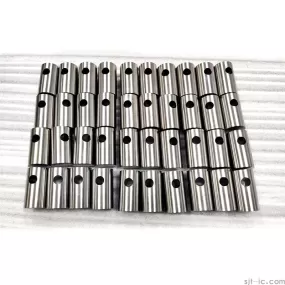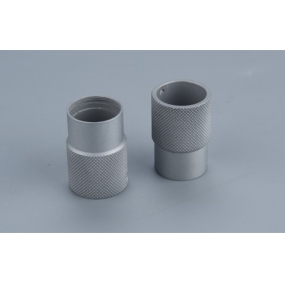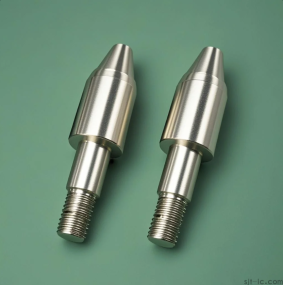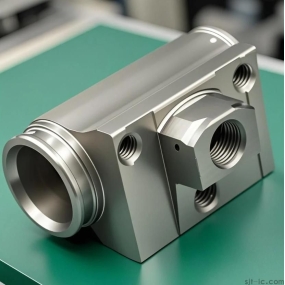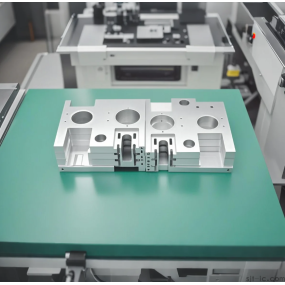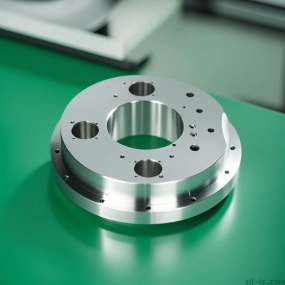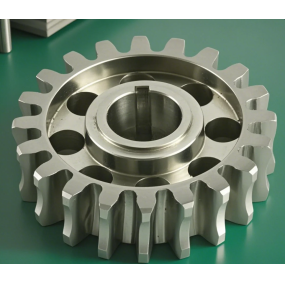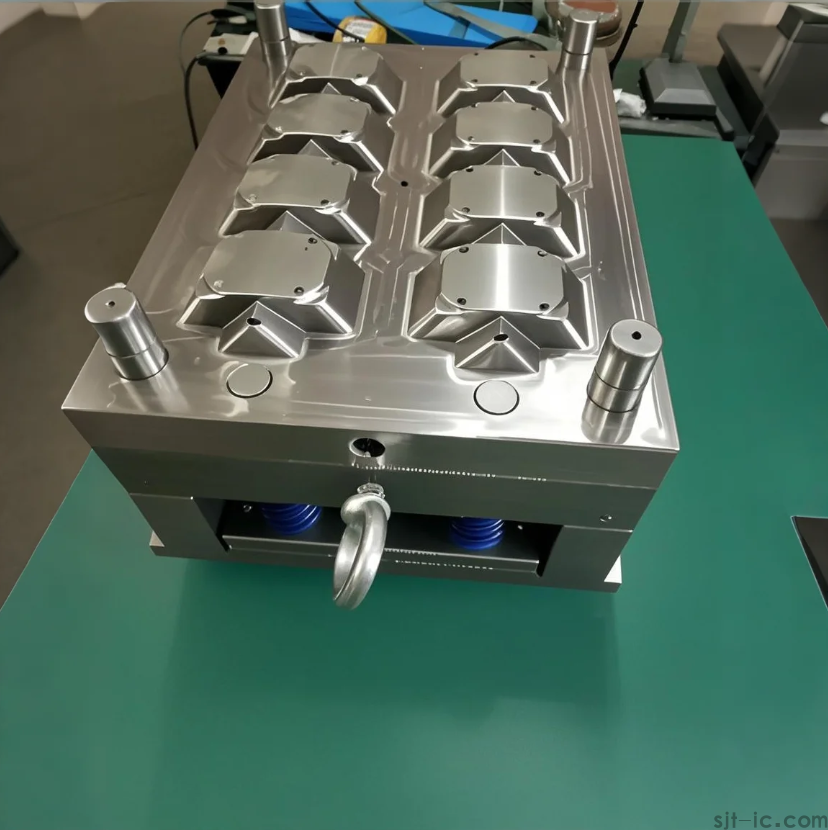
In the automotive industry, precision and reliability are not optional—they are required. Every car part, from interior panels to engine components, depends on high-quality molds. This is where CNC Mold Processing for Automotive Molds plays a key role. It ensures that automotive molds are manufactured with high accuracy, stable quality, and long service life.
For many manufacturers, the biggest challenge is not only producing molds but also ensuring they meet strict automotive standards while keeping costs under control. CNC technology helps solve these problems with automation, consistency, and precision.
Traditional mold-making methods often rely heavily on manual work, which can lead to inconsistencies and longer production times. CNC Machining changes this process by using computer-controlled tools to shape materials with extreme accuracy.
The advantages of using CNC for automotive mold processing include higher repeatability, reduced human error, and faster production cycles. This is especially important for automotive manufacturers who need mass production with identical quality.
Understanding the steps in CNC mold processing for automotive molds helps manufacturers ensure stable output and fewer defects. The process generally includes:
Each step is essential to ensure that the final automotive mold meets strict industry requirements.
Choosing the right material is one of the most important decisions in mold manufacturing. The materials used in automotive mold CNC processing must be strong, heat-resistant, and durable enough for repeated use.
Selecting the right material directly affects mold performance, lifespan, and production efficiency.
The automotive industry requires extremely tight tolerances. Even a small deviation can affect the fit and performance of a car part. Therefore, precision requirements in CNC processing of automotive molds are very strict.
Modern CNC machines can achieve micron-level accuracy, ensuring that every mold cavity is consistent. This precision reduces defects in final products and improves overall production stability.
To maintain high precision, manufacturers must control factors such as machine calibration, cutting tool wear, temperature stability, and programming accuracy.
Strong quality control in CNC automotive mold processing is essential to ensure that every mold meets industry standards before delivery.
These quality control steps reduce risks and ensure stable performance during mass production.
The advantages of using CNC for automotive mold processing go beyond just accuracy. It also improves overall production efficiency and reduces long-term costs.
These benefits make CNC machining the preferred choice for modern automotive mold manufacturing.
In the field of CNC Mold Processing for Automotive Molds, experience and technical capability are critical. EMAR focuses on delivering reliable CNC machining solutions for automotive mold production, combining advanced equipment with strict process control.
With a strong engineering team and continuous investment in precision machining technology, EMAR supports customers from design optimization to final mold production. The goal is not only to manufacture molds but also to help improve production efficiency and product quality for automotive manufacturers.
By maintaining high standards in precision, material selection, and quality control, EMAR helps clients reduce risks and achieve stable long-term production performance.
CNC technology has transformed automotive mold manufacturing into a highly precise, efficient, and reliable process. From material selection to final inspection, every stage contributes to mold quality and performance.
Understanding the key processes, materials, and quality requirements helps manufacturers make better decisions and improve production outcomes. With professional support from experienced companies like EMAR, automotive businesses can achieve higher efficiency and more stable mold performance.