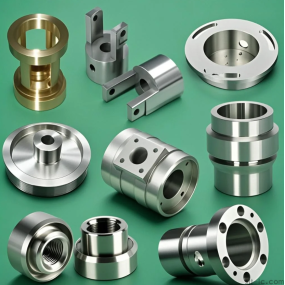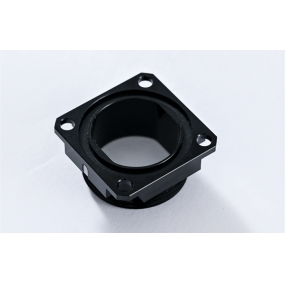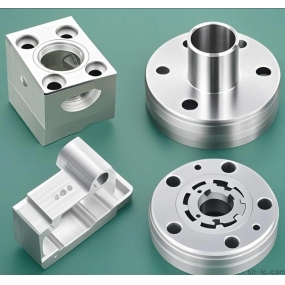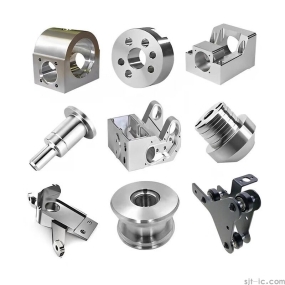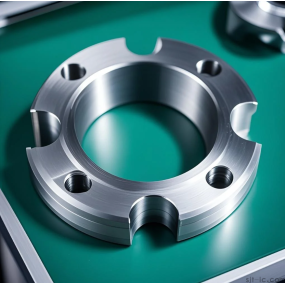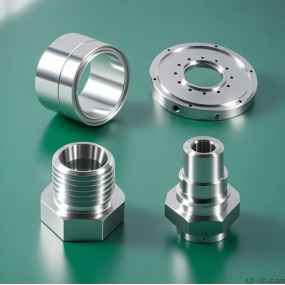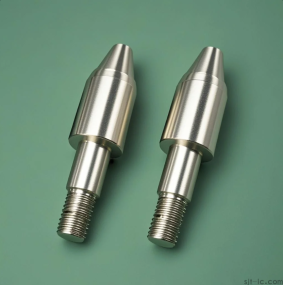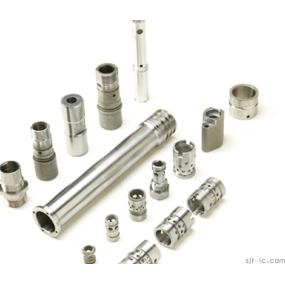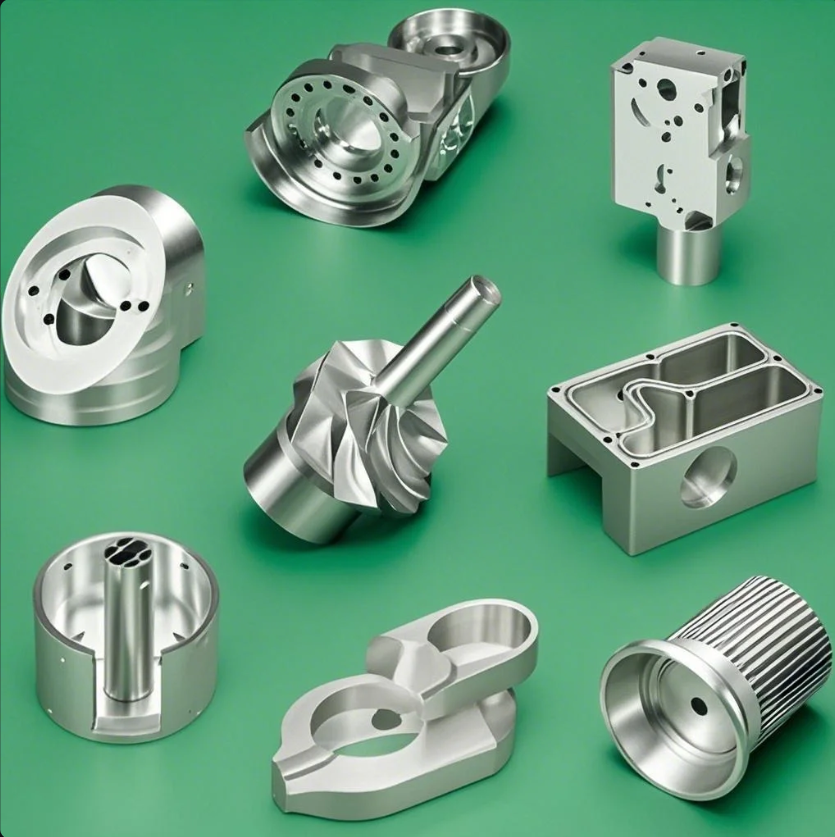
Industrial companies depend on precision parts to keep machines running safely, efficiently, and consistently. A small error in a critical component can lead to equipment failure, production delays, and higher maintenance costs. Choosing reliable High - Quality CNC Precision Parts Machining Services for Industrial Applications helps manufacturers produce accurate, durable, and performance-focused parts that meet demanding industrial requirements.
From heavy machinery and automation equipment to energy systems and advanced manufacturing tools, precision CNC Machining provides the accuracy and repeatability needed for modern industries. However, many customers have concerns about machining cost, part accuracy, delivery time, and supplier reliability. A professional CNC machining partner can solve these challenges through careful engineering, advanced equipment, and strict quality management.
Industrial machines often operate under high loads, continuous movement, extreme temperatures, or harsh environments. Precision parts must fit perfectly with other components to avoid vibration, friction, and unexpected failures.
High-quality CNC precision machining provides several important benefits:
For industrial customers, precision is not only about making a part smaller or more accurate. It is about ensuring the entire system works safely and efficiently.
Industrial parts often require very tight dimensional tolerances. Even a small deviation may affect assembly, movement, or machine performance. Customers need a machining supplier that understands tolerance requirements and has the equipment to control accuracy throughout production.
Advanced CNC machines, skilled operators, proper tooling, and inspection systems are essential for maintaining precision. Experienced suppliers also review designs before machining to identify possible manufacturing risks.
Many companies worry that high-precision machining will increase production costs. However, good engineering planning can reduce unnecessary expenses. Factors such as material choice, machining methods, tool selection, and production volume all influence the final cost.
A professional CNC machining provider helps customers balance quality and budget by selecting efficient manufacturing methods while maintaining required performance.
Industrial projects often have strict schedules. Delayed parts can stop production lines or postpone equipment installation. Reliable CNC machining services use efficient production planning, advanced equipment, and clear communication to shorten delivery times.
Working with an experienced manufacturer such as EMAR helps customers receive technical support from design review to final delivery. EMAR focuses on customer requirements, production efficiency, and stable quality control to support industrial projects.
The design stage strongly influences machining quality, cost, and production success. Clear communication between the customer and machining provider is necessary before manufacturing begins.
During the initial consultation, engineers should understand how the part will be used inside the machinery. Important information includes:
These design considerations for industrial CNC precision parts help engineers create designs that are easier to manufacture while meeting performance requirements. Early communication also reduces design changes, machining problems, and unexpected costs.
The correct material is essential for achieving long-lasting industrial performance. Different applications require different combinations of strength, corrosion resistance, weight, and cost.
Steel materials are widely used for industrial components that require excellent strength and wear resistance. They are suitable for gears, shafts, machine structures, and heavy-duty parts that experience high mechanical stress.
Aluminum alloys provide a good balance between strength and lightweight performance. They are commonly used when weight reduction, corrosion resistance, and efficient machining are important.
Engineering plastics are useful for applications requiring low friction, chemical resistance, electrical insulation, or reduced weight. They can be an economical choice for certain industrial components.
Proper material selection for high - quality industrial part machining ensures the finished part can handle its working environment while controlling manufacturing costs.
High-quality CNC machining combines different manufacturing operations depending on part geometry and performance requirements.
Machining parameters such as cutting speed, feed rate, and depth of cut must be optimized according to the material, tool type, and required accuracy. Proper parameter control improves surface quality, reduces machining time, and extends tool life.
Tool wear is one of the main challenges in precision machining. A worn tool can cause dimensional errors, poor surface finish, and inconsistent product quality.
Effective handling tool wear in high - quality CNC precision machining requires:
Professional CNC suppliers use engineering experience and process monitoring to maintain stable machining performance across production batches.
After machining, additional treatments may be required to improve part performance and service life.
These post - machining processes for high - quality CNC - machined industrial parts allow components to perform reliably in demanding industrial environments.
Strict quality control is necessary to ensure every part meets customer expectations. Reliable CNC machining providers inspect parts throughout the manufacturing process, not only after production.
Quality control methods include:
Strong quality control in high - quality industrial CNC part manufacturing ensures consistent results for prototypes, small batches, and large-scale production.
This complete process ensures customers receive reliable parts that meet both technical and operational requirements.
Selecting the right supplier is important for industrial success. A trusted CNC machining company should provide advanced equipment, experienced engineers, strong quality systems, and clear communication.
EMAR provides professional CNC machining solutions for industrial applications with advanced manufacturing facilities, experienced engineering teams, and a customer-focused approach. By supporting customers from design analysis to final inspection, EMAR helps deliver precision parts that meet demanding industrial standards.
For companies requiring dependable High - Quality CNC Precision Parts Machining Services for Industrial Applications, working with an experienced machining partner can improve product performance, reduce production risks, and create long-term manufacturing value.