
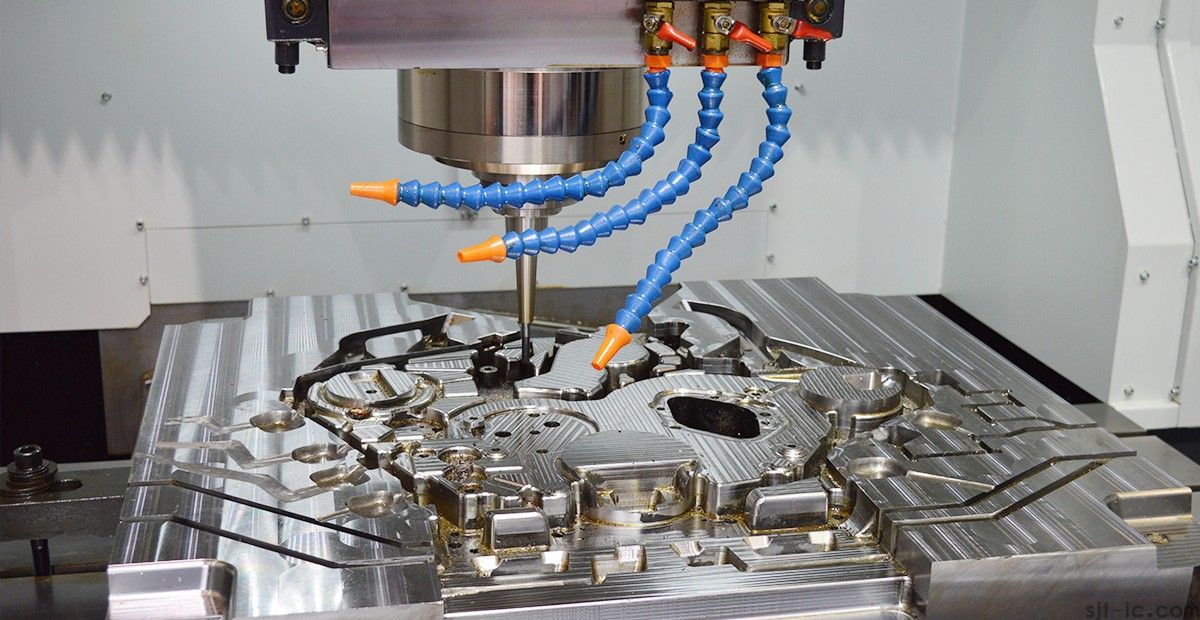
Choosing the right CNC Mold Processing Manufacturer is an important decision for companies that need accurate, durable, and cost-effective molds. A reliable manufacturer can help reduce production problems, shorten development time, and improve the final quality of molded products. However, many buyers face challenges when comparing suppliers because different manufacturers may offer different levels of technology, quality control, and service.
This guide explains the key factors to consider when selecting a CNC mold processing partner, including precision capability, material handling, production equipment, delivery time, quality systems, and technical development ability.
CNC mold processing requires advanced machining technology and strong manufacturing experience. Mold parts often need very tight tolerances because even a small error can affect product appearance, assembly, or performance.
A professional CNC mold processing manufacturer does more than simply operate machines. The manufacturer should understand mold design, material characteristics, machining methods, and inspection requirements. This knowledge helps prevent common problems such as poor surface finish, inaccurate dimensions, mold deformation, and delayed delivery.
For companies in industries such as automotive, medical devices, electronics, and consumer products, choosing an experienced manufacturer can directly influence product quality and production efficiency.
One of the most important factors is the processing accuracy in CNC mold processing manufacturers. High-precision molds require advanced CNC equipment, skilled operators, and strict inspection procedures.
A qualified manufacturer should be able to provide accurate machining for complex mold structures, including deep cavities, fine details, curved surfaces, and precision inserts. Buyers should check:
Manufacturers with strong precision control can reduce rework, improve mold lifespan, and help customers avoid expensive production delays.
The material adaptability of CNC mold processing firms is another key consideration. Different molds require different materials depending on strength, wear resistance, heat resistance, and production conditions.
Common mold materials include tool steel, stainless steel, aluminum alloys, copper alloys, and hardened steel. Each material has different machining requirements.
A capable CNC mold processing manufacturer should understand:
Manufacturers with broad material processing experience can provide better solutions for different industries and applications.
The equipment in reliable CNC mold processing companies directly affects machining quality and efficiency. Modern mold production often requires high-speed CNC Machining centers, precision grinding machines, electrical discharge machining (EDM), and advanced inspection equipment.
When evaluating a supplier, customers should consider whether the factory has:
A manufacturer with updated equipment can handle more complicated designs while maintaining stable production quality.
The delivery cycle of CNC mold processing manufacturers is a major concern for many customers. Delays in mold delivery can slow down product launches and increase business costs.
A dependable manufacturer should have a clear production schedule covering:
Good production planning allows manufacturers to complete projects on time without sacrificing quality. Customers should ask about average lead times, production capacity, and how unexpected issues are handled.
Strong quality management in CNC mold processing manufacturing ensures that every mold meets customer requirements. A professional supplier should have a complete quality control process from raw material inspection to final testing.
Important quality practices include:
A manufacturer with a mature quality system can provide more reliable products and reduce risks for customers.
CNC mold processing is not only a machining service. Many projects require engineering improvements, design optimization, and problem-solving support.
A strong manufacturer should have experienced engineers who can help with:
Technical R&D capability is especially important for customers developing new products or complex molds.
These manufacturers focus on extremely accurate molds used in industries such as medical equipment, electronics, and precision instruments. Their strengths are high machining accuracy, advanced inspection systems, and experience with complex structures.
Large manufacturers usually have strong production capacity and can handle high-volume projects. They are suitable for customers who need multiple molds, stable supply, and complete production management.
Custom-focused manufacturers specialize in small-batch projects, prototypes, and unique mold designs. They often provide flexible engineering support and faster communication.
Some CNC mold processing manufacturers provide complete services from mold design and machining to testing and optimization. This type of supplier can simplify project management because customers work with one professional team throughout the process.
Among professional mold machining suppliers, EMAR has built experience as a high-quality CNC Mold Processing Manufacturer by focusing on precision machining, advanced production technology, and strict quality control.
EMAR provides CNC machining solutions for complex mold components and supports customers with engineering experience, reliable manufacturing processes, and careful inspection procedures. The company focuses on helping customers achieve accurate parts, stable production performance, and efficient project delivery.
For companies looking for a CNC mold processing partner, choosing a manufacturer with strong technical capability, modern equipment, and a customer-focused approach can create long-term value.
Before placing an order, customers can review the following points:
Selecting the right CNC Mold Processing Manufacturer requires more than comparing prices. A reliable partner should combine precision machining ability, material knowledge, advanced equipment, quality control, and technical expertise. With careful evaluation, businesses can reduce manufacturing risks and build a stronger foundation for successful product development.