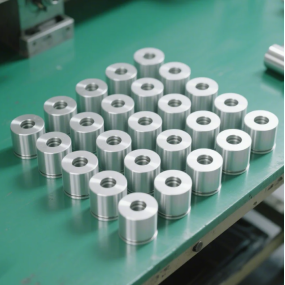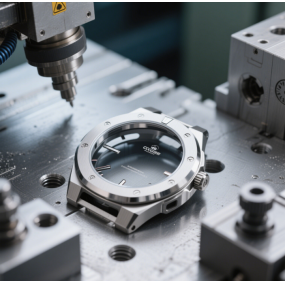

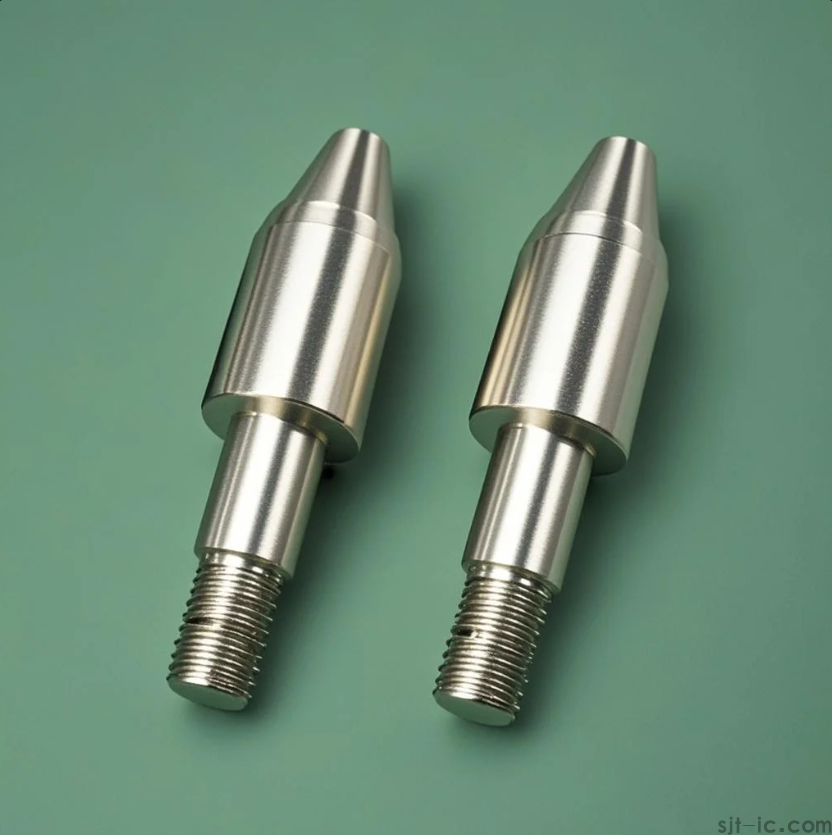
CNC Parts Manufacturing plays an important role in modern industries such as automotive, aerospace, electronics, medical equipment, and automation. Many companies need high-precision parts but face challenges when selecting a supplier, controlling production costs, and ensuring consistent quality.
Choosing the right CNC manufacturer is not only about finding a factory with machines. It is about finding a partner that understands your design requirements, provides stable production, controls quality, and helps reduce unnecessary costs. This guide explains the CNC parts manufacturing process, key cost factors, quality control methods, and how to select a reliable CNC parts manufacturer.
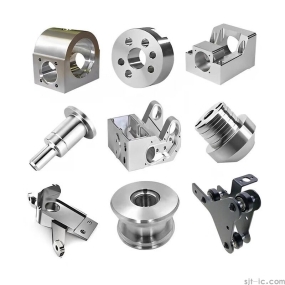
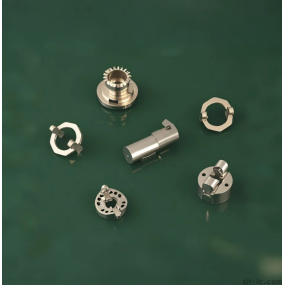
CNC Parts Manufacturing is a production process that uses computer-controlled machines to create precise components from materials such as aluminum, stainless steel, copper, titanium, plastics, and other engineering materials.
Unlike traditional manual machining, CNC machines follow programmed instructions to perform cutting, drilling, milling, turning, and other operations with high accuracy. This allows manufacturers to produce complex parts with consistent dimensions and excellent surface finishes.
CNC parts are widely used because they offer:
Understanding the steps in CNC parts manufacturing helps customers know what happens after submitting a drawing or 3D model to a supplier.
Design Review and Engineering Analysis
The manufacturer checks the CAD drawings, material requirements, tolerances, and production difficulties. A professional team may suggest design improvements to make the part easier and more cost-effective to produce.
CNC Programming
Engineers create machining programs based on the part design. The program controls the movement of cutting tools, machining speed, and production sequence.
Material Preparation
The selected material is prepared according to the project requirements. Proper material selection affects strength, performance, machining difficulty, and final cost.
Machining Process
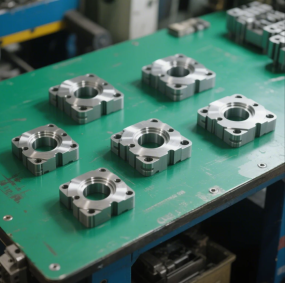
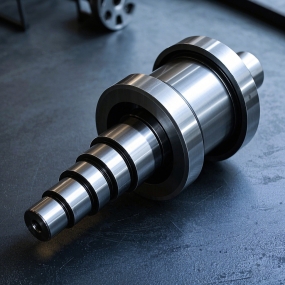
CNC machines perform operations such as CNC milling, CNC turning, drilling, and grinding. Skilled operators monitor the process to maintain accuracy and efficiency.
Inspection and Finishing
After machining, parts are inspected using measurement tools. Additional processes such as anodizing, polishing, coating, or heat treatment may be applied based on customer needs.
Many customers want to know why CNC Machining prices can vary between suppliers. The factors influencing the cost of CNC parts manufacturing include several important elements.
Different materials have different prices and machining difficulties. For example, aluminum is usually easier to machine than titanium, while stainless steel may require more advanced tools and longer processing time.
Parts with complicated shapes, tight tolerances, deep holes, or special features often require more programming time and additional machining operations.
Prototype parts usually have higher costs per piece because setup expenses are spread over fewer units. Larger production volumes can reduce the average manufacturing cost.
Extra processes such as anodizing, plating, polishing, or coating can increase the final cost. However, these treatments may improve appearance, durability, and product performance.
A manufacturer with advanced equipment and experienced engineers can often reduce errors, improve production efficiency, and provide better long-term value.
Quality is one of the biggest concerns when outsourcing CNC machining. Strong quality assurance in CNC parts manufacturing ensures that every component meets customer expectations and industry standards.
A reliable CNC manufacturer should have a complete quality control system, including:
Advanced measurement equipment, such as coordinate measuring machines (CMM), helps verify critical dimensions and complex geometries. Regular inspection reduces the risk of defective parts reaching customers.
Choosing the right CNC parts manufacturer requires more than comparing prices. A dependable supplier should have strong technical knowledge, modern equipment, clear communication, and proven manufacturing experience.
Before making a decision, customers should consider the following questions:
A good manufacturer should act as a technical partner, helping customers solve problems instead of only producing according to drawings.
EMAR's expertise in CNC parts manufacturing helps customers achieve reliable, efficient, and high-quality machining solutions. With professional engineering support, advanced CNC equipment, and strict production management, EMAR provides services for different industries that require precision components.
EMAR focuses on the complete manufacturing process, from design review and material selection to machining, inspection, and delivery. This approach helps customers reduce production risks and improve product quality.
The company supports various CNC machining needs, including prototypes, small-batch production, and customized parts manufacturing. By combining technical experience with quality control systems, EMAR works to provide consistent results for every project.
Many production problems can be avoided by preparing properly before choosing a supplier. Common mistakes include:
Working with an experienced CNC manufacturer early in the project can prevent delays, unexpected costs, and quality issues.
CNC Parts Manufacturing is a combination of advanced technology, engineering knowledge, and strict quality management. Understanding the manufacturing steps, cost factors, and inspection methods helps companies make better sourcing decisions.
A reliable CNC partner can provide more than machining services. They can offer technical support, improve production efficiency, and help create high-quality parts at competitive costs. With experience in precision machining and customer-focused solutions, EMAR supports businesses looking for dependable CNC manufacturing services.