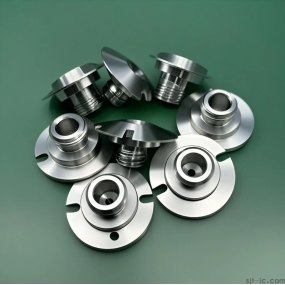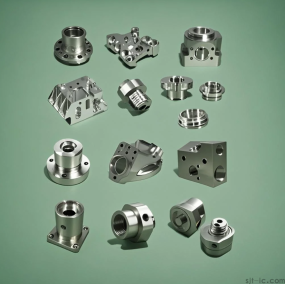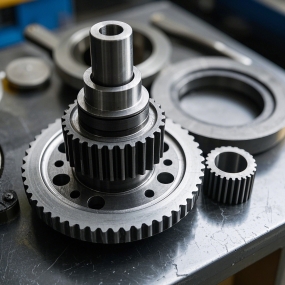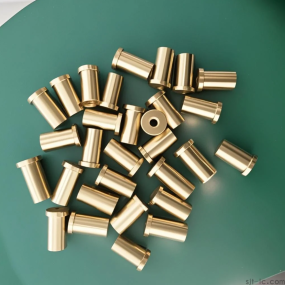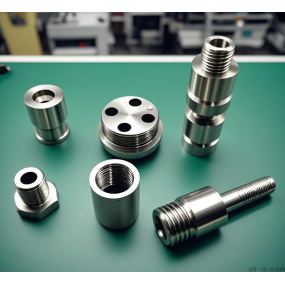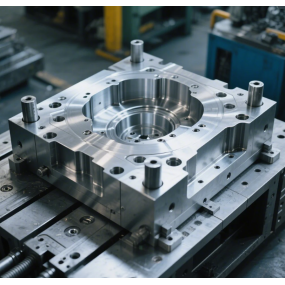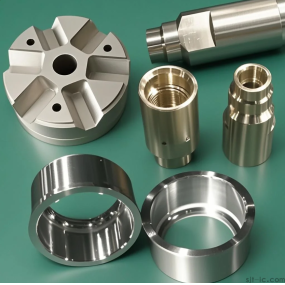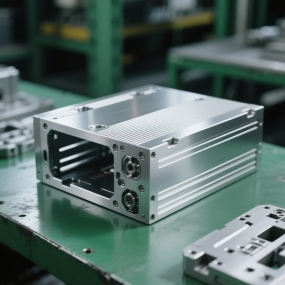

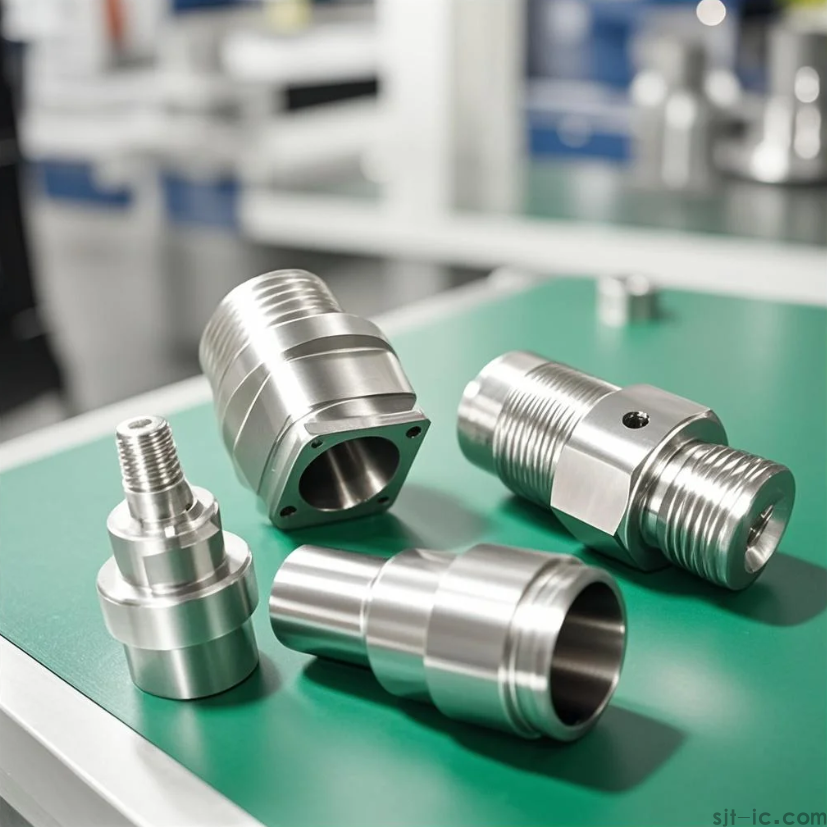
CNC Machining Precision Mechanical Parts are essential for industries that need reliable, accurate, and durable components. From aerospace equipment and medical devices to automation systems and industrial machines, precision mechanical parts must meet strict size, shape, and performance requirements. A small machining error can affect assembly, reduce product life, or cause unexpected failures.
For manufacturers and product designers, choosing the right CNC machining partner is a key challenge. They need parts with stable quality, accurate dimensions, suitable materials, and consistent production results. Understanding the machining process, precision factors, and quality control methods helps businesses make better decisions when developing custom mechanical components.
The significance of precision in CNC-machined mechanical parts is directly related to product performance and reliability. Precision determines whether a part can fit correctly with other components and operate smoothly under different working conditions.
High-precision mechanical parts provide several important benefits:
For industries such as aerospace, medical equipment, and automation, precision is not only a quality requirement but also a safety requirement. Even a small dimensional difference may affect the function of the final product.
The factors affecting precision in CNC mechanical part machining include equipment performance, cutting tools, programming methods, materials, and operator experience. Each factor can influence the final accuracy of the finished component.
The performance of the CNC machine has a direct impact on machining accuracy. High-quality machines usually provide better positioning accuracy, stronger rigidity, and more stable operation. A machine with poor stability may create errors caused by vibration, thermal changes, or mechanical movement.
Cutting tools must match the material and machining requirements. A worn or unsuitable tool can lead to poor surface finish, incorrect dimensions, and increased production defects. Regular tool inspection and replacement help maintain consistent quality.
Proper CNC programming controls cutting paths, speeds, feeds, and machining sequences. Experienced engineers use optimized programs to reduce machining errors and improve efficiency. Advanced software simulation can also help identify possible problems before production begins.
Different materials respond differently during machining. Factors such as hardness, thermal expansion, and strength can influence machining accuracy. Selecting the right material and adjusting machining parameters are important steps for achieving precision results.
The machining process for precision mechanical parts by CNC usually includes several carefully controlled steps. Each stage affects the final quality of the part.
A professional CNC machining supplier follows strict procedures throughout the process to ensure stable and repeatable results for both prototypes and mass production.
The material selection for CNC-made precision mechanical parts depends on the part's operating environment, strength requirements, weight limitations, and cost goals. Choosing the wrong material may reduce performance or increase machining difficulty.
Professional CNC manufacturers help customers select suitable materials by considering performance requirements, machining difficulty, production volume, and budget.
The quality control in CNC machining of precision mechanical parts is essential for maintaining accuracy and preventing defects. Reliable manufacturers use multiple inspection methods throughout production instead of checking only the final product.
Companies with strong quality management systems can provide more reliable results, especially for complex precision parts with strict tolerance requirements.
CNC Machining Precision Mechanical Parts are widely used in many industries because they provide accuracy, repeatability, and design flexibility.
Selecting the right manufacturer is important when producing precision mechanical parts. A reliable supplier should have advanced CNC equipment, experienced engineers, strong quality control processes, and the ability to handle customized requirements.
EMAR focuses on providing high-quality precision mechanical parts through advanced CNC machining capabilities. With professional machining experience, strict inspection procedures, and support for customized production needs, EMAR helps customers develop reliable components for different industries.
Whether a project requires prototypes, small-batch production, or larger manufacturing quantities, working with an experienced CNC machining supplier can improve product quality, reduce production risks, and create long-term value.