Spanish
 Arabic
 French
 Portuguese
 Belarusian
 Japanese
 Russian
 Malay
Malay Icelandic
 Bulgarian
 Azerbaijani
 Estonian
 Irish
Irish Polish
 Persian
 Boolean
 Danish
 German
 Filipino
 Finnish
 Korean
 Dutch
Dutch Galician
 Catalan
 Czech
Czech Croatian
 Latin
Latin Latvian
 Romanian
 Maltese
 Macedonian
 Norwegian
 Swedish
 Serbian
 Slovak
 Slovenian
 Swahili
 Thai
Thai Turkish
 Welsh
Welsh Urdu
Urdu Ukrainian
 Greek
Greek Hungarian
 Italian
 Yiddish
 Indonesian
 Vietnamese
 Haitian Creole
 Spanish Basque

HTML
What Parts Can CNC Machines Produce?
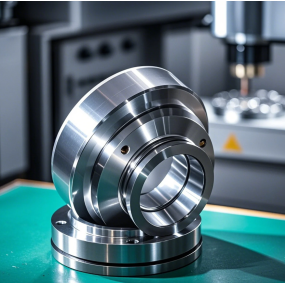
Many businesses and engineers ask, What Parts Can CNC Machines Produce? The answer is much wider than many people expect. CNC (Computer Numerical Control) machines can produce simple parts like shafts and fasteners, as well as highly complex components used in automobiles, aircraft, medical devices, and electronics.
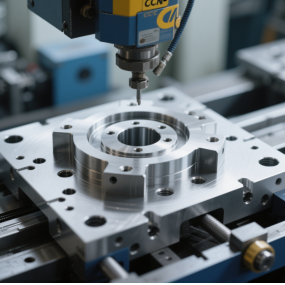
The biggest advantage of CNC Machining is its versatility. CNC machines use computer-controlled movements to cut, drill, mill, and shape materials with very high accuracy. They can produce repeated parts with the same dimensions, tight tolerances, and reliable quality. This makes CNC machining a preferred solution for industries that need strong performance, safety, and cost control.
Choosing the right machining solution depends on the part design, material, quantity, and required precision. Experienced CNC manufacturers, such as EMAR, provide customized machining solutions for different industries by combining advanced equipment, skilled programming, and strict quality control processes.
Why CNC Machines Are Highly Versatile for Part Production
CNC machines can work with many materials, including aluminum, stainless steel, titanium, copper, brass, engineering plastics, and other specialty materials. This flexibility allows manufacturers to create parts for different applications.
The main reasons CNC machines are widely used for part production include:
- High precision: CNC machines can achieve very tight tolerances, which is important for parts that must fit together perfectly.
- Excellent repeatability: The same program can produce thousands of identical parts with consistent quality.
- Complex geometry capability: CNC milling and turning can create detailed shapes, holes, curves, and special features that are difficult to make manually.
- Material flexibility: CNC machining can process metals and plastics for different strength, weight, and performance requirements.
- Cost efficiency: For prototypes and production batches, CNC machining reduces waste and improves manufacturing efficiency.
Because of these advantages, CNC machines can produce parts ranging from small precision connectors to large aerospace structures.
Automotive Parts Produced by CNC
The automotive industry requires parts that can withstand heat, pressure, vibration, and long-term use. CNC machining helps manufacturers create accurate engine and vehicle components that improve reliability and performance.
Common automotive parts produced by CNC include:
- Cylinder heads: Cylinder heads control airflow and fuel combustion inside engines. CNC milling creates accurate combustion chambers, valve seats, and mounting surfaces to improve engine efficiency.
- Pistons: Pistons require precise dimensions because they move at high speed inside engine cylinders. CNC turning and milling help achieve the correct shape, weight balance, and surface finish.
- Crankshafts: Crankshafts convert piston movement into rotation. CNC turning, grinding, and milling processes create accurate journal surfaces and complex shapes.
Common automotive materials include aluminum alloys for lightweight components, steel for high-strength parts, and cast iron for heat-resistant applications. CNC machining ensures tight tolerances between engine components, allowing smoother operation, better fuel efficiency, and longer service life.
For example, a CNC-machined aluminum engine component can reduce vehicle weight while maintaining strength. This helps improve fuel economy and overall vehicle performance.
Aerospace Parts CNC Machining
Aerospace manufacturing requires extremely reliable parts because aircraft components must operate safely under high loads, temperature changes, and extreme conditions. Aerospace parts CNC machining focuses on producing lightweight, strong, and highly accurate components.
Typical CNC-machined aerospace parts include:
- Turbine blades: Turbine blades operate in high-temperature environments. CNC five-axis machining can create complex blade curves and precise aerodynamic surfaces.
- Structural components: Aircraft frames, brackets, and support parts need high strength with low weight. CNC machining creates accurate holes, pockets, and connection points.
- Landing gear parts: Landing gear components must handle heavy impact forces. CNC machining produces strong metal parts with reliable dimensions.
Aerospace parts often use materials such as titanium alloys, aluminum alloys, and high-strength stainless steel. These materials provide excellent strength-to-weight ratios but require careful machining because they can be difficult to process.
Precise CNC machining improves aircraft safety by ensuring every component meets strict dimensional requirements. It also reduces material waste when working with expensive aerospace metals.
Medical Parts Made with CNC
The medical industry depends on extremely accurate components because small errors can affect patient safety. Medical parts made with CNC must meet strict requirements for precision, cleanliness, and material compatibility.
Examples of CNC-machined medical parts include:
- Surgical instruments: Tools such as clamps, cutting instruments, and surgical handles require smooth surfaces and precise shapes for reliable operation.
- Dental implants: Dental components need accurate threads and surfaces to fit securely and support long-term use.
- Orthopedic implants: Bone plates, joint components, and fixation devices require high precision and strong materials.
Medical CNC parts are commonly made from biocompatible materials such as titanium, stainless steel, and medical-grade plastics. CNC milling, turning, drilling, and surface finishing processes help create parts with extremely accurate dimensions.
For example, CNC machining allows orthopedic implants to match patient requirements more closely. This improves comfort, reduces adjustment time, and supports better medical outcomes.
Electronics Parts from CNC Machines
Modern electronic devices need compact, precise components that manage heat, connect circuits, and support assembly processes. Electronics parts from CNC machines help manufacturers achieve complex designs with accurate dimensions.
Common CNC-produced electronics parts include:
- Heat sinks: Heat sinks remove heat from electronic components. CNC milling creates cooling fins and channels that improve thermal performance.
- Connectors: CNC machining produces metal connectors with precise contact areas and reliable fitting dimensions.
- PCB fixtures: Printed circuit board (PCB) fixtures hold circuit boards during assembly and testing. CNC machining creates accurate mounting holes and positioning features.
Materials commonly used for electronic parts include aluminum, copper, brass, and engineering plastics. Milling, drilling, and precision cutting operations create complex shapes while maintaining accurate sizes.
For example, a CNC-machined aluminum heat sink can improve electronic device cooling, helping products operate more reliably and reducing the risk of overheating.
General-Purpose Parts CNC Production
Besides industry-specific components, CNC machines also produce many common mechanical parts used in machines, equipment, and industrial systems. General-purpose parts CNC production supports many applications because these parts require accuracy and durability.
Common general-purpose CNC parts include:
- Gears: Gears transfer motion between mechanical systems. CNC milling creates accurate gear teeth profiles, ensuring smooth movement and reduced wear.
- Shafts: Shafts transmit rotation and power. CNC turning creates precise diameters, grooves, and bearing surfaces.
- Fasteners: Bolts, screws, and custom fasteners require accurate threads and dimensions. CNC turning and threading operations create reliable connections.
These parts are commonly produced from steel, stainless steel, aluminum, brass, and plastic materials depending on the application. CNC machining improves mechanical performance by providing accurate fits, consistent strength, and better surface quality.
How CNC Machining Improves Product Performance and Cost Efficiency
CNC-produced parts help companies create better products in several ways. Accurate machining reduces assembly problems, improves product reliability, and extends service life. Consistent production quality also reduces defects and lowers manufacturing costs.
For example:
- Automotive manufacturers use CNC-machined engine parts to improve efficiency and reduce mechanical failures.
- Aerospace companies rely on CNC precision to create lightweight components that meet strict safety standards.
- Medical manufacturers use CNC machining to produce reliable implants and instruments with excellent accuracy.
- Electronics companies use CNC parts to improve heat management and product durability.
Working with an experienced CNC manufacturer helps businesses choose the right material, machining process, and production method. EMAR provides CNC machining solutions for different industries, producing custom parts with advanced equipment and quality inspection systems. From prototypes to batch production, professional CNC machining services help customers achieve reliable results.
Finding the Right CNC Machining Solution for Your Parts
Before starting CNC production, customers should consider several factors:
- The required part function and performance requirements.
- The best material for strength, weight, temperature resistance, or corrosion resistance.
- The required tolerance and surface finish.
- The production quantity and expected cost.
- The most suitable CNC process, such as milling, turning, drilling, or multi-axis machining.
CNC machines can produce thousands of different parts across many industries. Whether the need is for automotive components, aerospace structures, medical devices, electronics parts, or general mechanical components, CNC machining provides a flexible and reliable manufacturing solution.