Spanish
 Arabic
 French
 Portuguese
 Belarusian
 Japanese
 Russian
 Malay
Malay Icelandic
 Bulgarian
 Azerbaijani
 Estonian
 Irish
Irish Polish
 Persian
 Boolean
 Danish
 German
 Filipino
 Finnish
 Korean
 Dutch
Dutch Galician
 Catalan
 Czech
Czech Croatian
 Latin
Latin Latvian
 Romanian
 Maltese
 Macedonian
 Norwegian
 Swedish
 Serbian
 Slovak
 Slovenian
 Swahili
 Thai
Thai Turkish
 Welsh
Welsh Urdu
Urdu Ukrainian
 Greek
Greek Hungarian
 Italian
 Yiddish
 Indonesian
 Vietnamese
 Haitian Creole
 Spanish Basque

HTML
Medical CNC Machining Quotation: What You Need to Know Before Requesting a Quote
Getting a reliable Medical CNC Machining Quotation is an important step when developing medical device parts. A quotation is not only about the machining price. It also reflects the required precision, material selection, production process, quality control, and medical industry requirements.
Many buyers face problems when requesting quotes because they provide incomplete information or do not understand what affects the final cost. A clear understanding of the quotation process can help you avoid unexpected expenses, compare suppliers better, and choose a machining partner that meets medical manufacturing standards.
What Factors Influence a Medical CNC Machining Quote?
The price of medical CNC machining depends on many details. Understanding the factors influencing medical CNC machining quote helps you prepare better information and receive a more accurate estimate.
Part Complexity and Precision Requirements
The design of a medical part has a major effect on machining costs. Simple components with basic shapes usually require less machining time. However, complex medical parts may need advanced CNC equipment, special cutting tools, and additional inspection steps.
Important design factors include:
- Complex shapes, small features, and deep cavities
- Tight tolerances that require higher machining accuracy
- Surface finish requirements for medical applications
- Special processes such as polishing, coating, or sterilization preparation
For example, surgical instruments and implant components often require extremely precise dimensions because small errors can affect performance and safety. Higher precision requirements usually increase machining and inspection costs.
Material Selection and Medical Grade Requirements
Material choice is another key factor in a medical CNC machining quotation. Medical components often use materials with specific properties, such as strength, corrosion resistance, and biocompatibility.
Common medical CNC machining materials include:
- Titanium alloys for lightweight and biocompatible implants
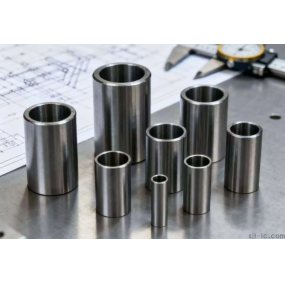
- Stainless steel for surgical tools and medical equipment
- PEEK and other engineering plastics for special medical applications
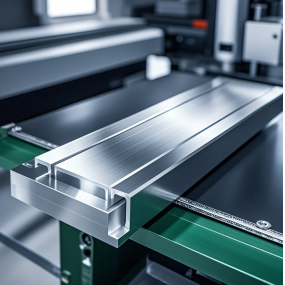
- Aluminum and other metals for medical device housings and equipment parts
Material costs can vary significantly. Medical-grade materials may require stricter sourcing, certification documents, and traceability records, which can increase the total quotation price.
Production Volume and Order Quantity
The required quantity strongly affects CNC machining costs. A prototype or small batch usually has a higher unit price because programming, setup, and inspection costs are spread across fewer parts.
Larger production runs often reduce the cost per part because:
- Machine setup costs are shared across more units
- Production processes become more efficient
- Tooling and workflow can be optimized
However, large-scale medical production may require additional quality management systems, process validation, and documentation, which should also be included in the quotation.
Medical Industry Compliance Requirements
Medical CNC machining requires strict quality control. Suppliers may need to follow medical manufacturing requirements, maintain inspection records, and provide material certificates or production documentation.
Compliance-related factors that can influence the quotation include:
- Quality inspection procedures
- Material traceability requirements
- Documentation and reporting needs
- Special certifications or quality management processes
These requirements increase costs but are necessary to ensure that medical parts are safe, reliable, and suitable for their intended use.
How to Prepare for a Medical CNC Machining Quote
Preparing for a medical CNC machining quote properly can help suppliers understand your project and provide a faster, more accurate quotation.
Before contacting a CNC machining supplier, prepare the following information:
- Detailed part drawings:
Provide engineering drawings with dimensions, tolerances, surface finish requirements, and any special instructions. 3D CAD files are also helpful for reviewing part complexity.
- Material preferences:
Clearly state the required material or ask the supplier for recommendations based on your application. Include any requirements for biocompatibility or certification.
- Expected quantity:
Specify whether you need prototypes, small batches, or large production volumes. Quantity directly affects pricing and production planning.
- Quality and compliance requirements:
Explain inspection requirements, documentation needs, and any medical industry standards that must be followed.
- Delivery expectations:
Include your target delivery date because production scheduling and lead time can influence the final quotation.
Providing complete information reduces communication delays and prevents unexpected changes after production begins.
Pricing Models for Medical CNC Machining
The pricing models for medical CNC machining are usually different for small-batch projects and large-scale production.
Small-Batch and Prototype Pricing
Prototype and low-volume machining usually have a higher cost per piece. The main reason is that setup costs, CNC programming, tooling preparation, and inspection time are divided among fewer parts.
This pricing model is suitable for:
- New medical device development
- Testing and validation stages
- Custom surgical tools
- Engineering samples
Large-Scale Production Pricing
For higher quantities, suppliers can optimize production processes and reduce the average machining cost. Automated workflows, improved tooling strategies, and stable production schedules help lower unit prices.
Large production orders may also involve additional discussions about inventory planning, quality control procedures, and long-term cooperation.
Understanding the Cost Breakdown in Medical CNC Machining Quotation
A professional quotation should provide a clear cost breakdown in medical CNC machining quotation. Transparency helps customers understand what they are paying for and makes supplier comparisons easier.
A typical quotation may include:
- Material cost: The price of raw materials, including medical-grade material requirements.
- Machining labor: The time required for programming, setup, operation, and finishing.
- Machine and equipment costs: Expenses related to CNC machine usage and maintenance.
- Quality inspection: Measurement, testing, and documentation activities.
- Post-processing: Additional services such as surface treatment or special finishing.
- Packaging and shipping: Costs related to protecting and delivering finished medical parts.
A detailed quotation allows buyers to identify cost drivers and make better decisions about design changes, materials, or production quantities.
Watch for Hidden Charges in Medical CNC Machining Quotes
Customers should carefully review quotations and ask questions about possible hidden charges in medical CNC machining quotes.
Common hidden costs may include:
- Additional engineering fees for design changes
- Extra inspection charges not included in the original quote
- Special tooling costs
- Certification or documentation fees
- Packaging requirements for medical applications
A trustworthy supplier should explain all possible costs before production begins. Clear communication helps prevent budget problems and project delays.
Why Choose EMAR for Medical CNC Machining Quotations?
Choosing the right machining supplier is as important as understanding the quotation itself. EMAR provides medical CNC machining quotation services with a focus on accuracy, transparency, and customer communication.
EMAR helps customers evaluate machining requirements, material options, production quantities, and quality expectations before providing a quotation. By offering a clear cost explanation and professional manufacturing support, EMAR helps medical companies better control project costs and reduce quotation uncertainty.
Whether you need prototype parts, small-batch medical components, or larger production orders, a detailed and transparent quotation can help create a smoother manufacturing process.
Final Thoughts
A good Medical CNC Machining Quotation should do more than show a price. It should explain the factors behind the cost, including part complexity, materials, production volume, compliance needs, and quality requirements.
By preparing complete drawings, selecting suitable materials, understanding pricing models, and reviewing cost details carefully, you can receive more accurate quotations and choose a machining partner that supports your medical manufacturing goals.