Spanish
 Arabic
 French
 Portuguese
 Belarusian
 Japanese
 Russian
 Malay
Malay Icelandic
 Bulgarian
 Azerbaijani
 Estonian
 Irish
Irish Polish
 Persian
 Boolean
 Danish
 German
 Filipino
 Finnish
 Korean
 Dutch
Dutch Galician
 Catalan
 Czech
Czech Croatian
 Latin
Latin Latvian
 Romanian
 Maltese
 Macedonian
 Norwegian
 Swedish
 Serbian
 Slovak
 Slovenian
 Swahili
 Thai
Thai Turkish
 Welsh
Welsh Urdu
Urdu Ukrainian
 Greek
Greek Hungarian
 Italian
 Yiddish
 Indonesian
 Vietnamese
 Haitian Creole
 Spanish Basque

HTML
Aluminum Plate CNC Precision Machining: Process, Challenges, and Solutions
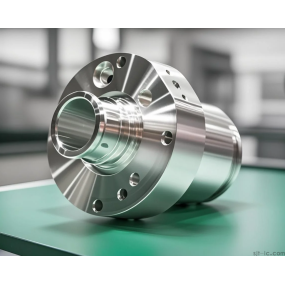
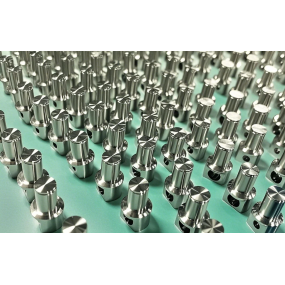
Aluminum Plate CNC Precision Machining is widely used in industries that require lightweight, accurate, and durable metal parts. From aerospace components and electronic equipment panels to industrial fixtures and custom machine parts, aluminum plates provide an excellent balance of strength, weight, and machinability.
Many customers face common problems when machining aluminum plates, such as choosing the right alloy, controlling deformation, achieving tight tolerances, and improving surface quality. Understanding the complete machining process helps avoid production issues and ensures reliable final products.
Why Aluminum Plates Are Popular for CNC Precision Machining
Aluminum plates are one of the most commonly used materials in CNC Machining because they have several advantages that meet modern manufacturing needs.
- Lightweight: Aluminum is much lighter than steel while still providing good mechanical strength. This makes aluminum plates suitable for products where reducing weight is important, such as transportation equipment and aerospace parts.
- Good thermal conductivity: Aluminum quickly transfers heat, making it useful for heat sinks, electronic housings, and cooling components.
- Excellent machinability: Aluminum is softer and easier to cut compared with many metals. CNC machines can produce complex shapes, fine details, and accurate dimensions efficiently.
- Good corrosion resistance: Aluminum naturally forms an oxide layer that helps protect the surface from corrosion.
- High malleability: Aluminum can be shaped and processed into different designs without easily cracking.
Because of these properties, aluminum plates are ideal for precision parts that require both appearance and performance. Professional CNC machining companies, such as EMAR, use advanced equipment and process control methods to help customers achieve stable quality for aluminum plate components.
Design Considerations for Aluminum Plate CNC Precision Machining
Good machining results begin with a suitable design. The design stage directly affects machining difficulty, production cost, and final accuracy.
The design considerations for aluminum plate CNC precision machining mainly include plate thickness, part structure, machining tolerance, and surface requirements.
Consider Aluminum Plate Thickness
The thickness of the aluminum plate affects strength, machining stability, and deformation risk. Thin plates are easier to bend during machining, while very thick plates may require longer cutting time and stronger tools.
Engineers should consider:
- The required strength of the final product.
- The amount of material removed during machining.
- The possibility of vibration or bending during cutting.
- The best clamping method for stable processing.
Define Precision and Tolerance Requirements
Different applications require different accuracy levels. For example, electronic components may need very tight dimensional control, while decorative panels may focus more on appearance.
Before machining begins, the design should clearly define:
- Required dimensions and geometric tolerances.
- Flatness and surface roughness requirements.
- Hole positions and thread specifications.
- Assembly requirements with other components.
A professional CNC supplier can review the design drawings and suggest improvements that make the part easier to manufacture without reducing performance.
Material Selection of Aluminum Alloys for Plate Machining
The correct aluminum alloy selection is important because different alloys provide different levels of strength, hardness, corrosion resistance, and machinability.
The material selection of aluminum alloys for plate machining depends on the working environment and application requirements.
Common Aluminum Alloys Used in CNC Plate Machining
- 6061 Aluminum: A popular choice because it offers good strength, corrosion resistance, and excellent machining performance. It is commonly used for machine parts, frames, and structural components.
- 7075 Aluminum: Known for high strength and used in applications requiring excellent mechanical performance, such as aerospace parts and high-load components.
- 5052 Aluminum: Provides good corrosion resistance and is often used for panels, covers, and products exposed to moisture.
- 2024 Aluminum: Offers high strength and is used in applications where mechanical performance is critical.
Choosing the wrong alloy can lead to problems such as poor machining performance, insufficient strength, or increased production costs. Experienced manufacturers like EMAR evaluate material properties and customer requirements before recommending suitable aluminum materials.
CNC Machining Process for Aluminum Plates
The CNC machining process transforms an aluminum plate into a precise finished component through controlled cutting operations. The main steps include programming, cutting, quality inspection, and finishing.
1. CNC Programming and Preparation
Engineers first convert the product design into CNC machining instructions. The program controls the movement of cutting tools and determines machining paths.
During preparation, manufacturers check:
- Tool selection and cutting strategy.
- Workholding methods.
- Required machining sequence.
- Material condition and plate size.
2. Milling Operations in Aluminum Plate Precision CNC Machining
Milling operations in aluminum plate precision CNC machining are commonly used to create flat surfaces, pockets, slots, contours, and complex shapes.
Suitable milling tools usually include carbide end mills because they provide good cutting performance and longer tool life.
Important milling parameters include:
- Cutting speed: Aluminum can usually be machined at higher speeds because it is relatively soft. However, excessive speed may increase heat and reduce tool life.
- Feed rate: The feed rate should balance machining efficiency and surface quality. Too high a feed rate may cause rough surfaces or tool damage.
- Depth of cut: Proper cutting depth reduces vibration and helps maintain dimensional accuracy.
3. Drilling Aluminum Plates
Drilling operations create holes for screws, assembly, and positioning. Sharp carbide or high-speed steel drills are commonly used for aluminum machining.
To prevent problems during drilling:
- Use suitable cutting fluids to reduce heat.
- Maintain proper drilling speed and feed.
- Remove chips regularly to prevent scratches and poor hole quality.
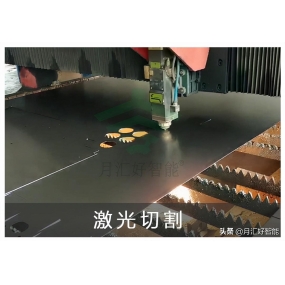
4. Cutting Operations
CNC cutting removes unnecessary material and creates the basic shape of the aluminum plate. The cutting method depends on the part design, thickness, and accuracy requirements.
During all machining operations, quality control is essential. Manufacturers use measuring tools such as coordinate measuring machines (CMM), calipers, and surface testers to verify dimensions and surface quality.
Common Challenges in Aluminum Plate CNC Precision Machining
Challenges of Heat-Induced Warping in Aluminum Plate Machining
One of the biggest challenges is deformation caused by heat. Aluminum transfers heat quickly, but thin plates can still expand and change shape during machining.
The challenges of heat-induced warping in aluminum plate machining can be reduced through:
- Using appropriate cutting speeds and feed rates.
- Applying suitable cooling methods.
- Using stable fixtures to support the plate.
- Machining in multiple passes instead of removing too much material at once.
- Allowing stress relief when necessary.
Controlling Burr Formation
Burrs are small unwanted edges created after cutting or drilling. They can affect assembly accuracy and product appearance.
Common solutions include:
- Using sharp cutting tools.
- Optimizing cutting parameters.
- Applying deburring processes after machining.
- Using proper tool paths to reduce edge damage.
Achieving Tight Tolerances
Maintaining strict tolerances requires careful control of every machining stage. Factors such as machine accuracy, tool wear, temperature changes, and operator experience can affect the final result.
Reliable CNC manufacturers use regular equipment calibration, inspection procedures, and process monitoring to maintain consistent quality.
Post-Machining Treatments for Aluminum Plate CNC Products
After machining, aluminum parts often receive additional treatments to improve appearance, durability, and surface performance.
The post-machining treatments for aluminum plate CNC products may include:
- Anodizing: Improves corrosion resistance and provides decorative color options.
- Sandblasting: Creates a uniform matte surface appearance.
- Brushing: Produces a professional linear surface texture.
- Polishing: Creates a smoother and more reflective finish.
- Powder coating: Adds extra protection and improves appearance.
The right finishing method depends on the product environment, required durability, and visual expectations.
Choosing a Reliable Aluminum Plate CNC Precision Machining Partner
Successful aluminum plate machining depends not only on CNC equipment but also on engineering experience, quality management, and production control.
A capable machining partner should provide:
- Professional design review and manufacturing suggestions.
- Experience with different aluminum alloys.
- Advanced CNC milling, drilling, and cutting equipment.
- Strict quality inspection procedures.
- Support for surface finishing and customized production.
EMAR provides CNC machining solutions for aluminum plate components, supporting customers from material selection and design evaluation to precision machining and finishing. With experience in handling different aluminum alloys and complex production requirements, EMAR helps businesses achieve reliable aluminum CNC parts with consistent quality.
Conclusion
Aluminum Plate CNC Precision Machining offers an effective solution for producing lightweight, accurate, and durable metal components. By selecting the correct aluminum alloy, optimizing machining parameters, controlling heat and deformation, and applying suitable surface treatments, manufacturers can achieve high-quality results.
Whether the requirement is a prototype, small batch production, or large-scale manufacturing, careful process planning and professional CNC expertise are the keys to producing aluminum plate parts that meet strict performance requirements.