Spanish
 Arabic
 French
 Portuguese
 Belarusian
 Japanese
 Russian
 Malay
Malay Icelandic
 Bulgarian
 Azerbaijani
 Estonian
 Irish
Irish Polish
 Persian
 Boolean
 Danish
 German
 Filipino
 Finnish
 Korean
 Dutch
Dutch Galician
 Catalan
 Czech
Czech Croatian
 Latin
Latin Latvian
 Romanian
 Maltese
 Macedonian
 Norwegian
 Swedish
 Serbian
 Slovak
 Slovenian
 Swahili
 Thai
Thai Turkish
 Welsh
Welsh Urdu
Urdu Ukrainian
 Greek
Greek Hungarian
 Italian
 Yiddish
 Indonesian
 Vietnamese
 Haitian Creole
 Spanish Basque

HTML
CNC Machining Ornaments: Creating Detailed and High-Quality Decorative Pieces
Ornaments are often created to express beauty, culture, creativity, or personal value. However, making detailed ornaments can be difficult when traditional methods cannot achieve fine patterns, consistent shapes, or complex structures. CNC Machining Ornaments provides an effective solution by using computer-controlled machines to create decorative products with high precision and repeatability.
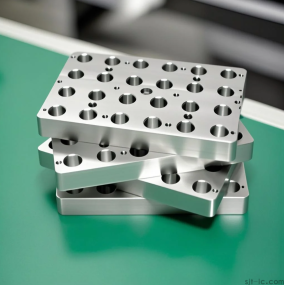
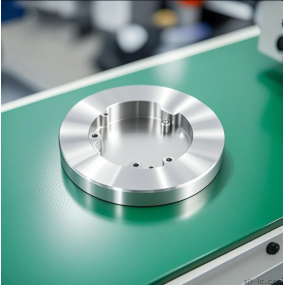
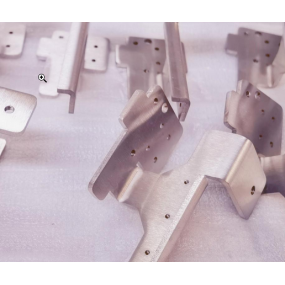
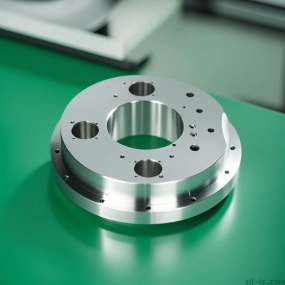
From small metal decorations to custom wooden artworks and plastic display pieces, CNC machining helps designers turn creative ideas into real products. It allows manufacturers to produce ornaments with fine details while maintaining stable quality during both prototype development and mass production.
Why CNC Machining Is a Good Choice for Ornament Production
Many ornament makers face common problems, including difficult manual carving, inconsistent details between pieces, and limited material choices. CNC machining solves these challenges by combining digital design with automated manufacturing.
- High precision for detailed designs: CNC machines can create small patterns, sharp edges, fine textures, and complex shapes that are difficult to achieve by hand.
- Easy replication of complex patterns: Once a CNC program is created, the same design can be produced many times with consistent size and appearance.
- Wide material compatibility: CNC equipment can process different materials, including metals, plastics, and woods, allowing more creative options.
- Better production efficiency: Automated machining reduces manual labor and helps shorten production time for custom ornaments.
For businesses that need both artistic value and reliable manufacturing, CNC machining creates a balance between creativity and production accuracy.
Designing Ornaments for CNC Machining
The first step in CNC ornament production is converting an artistic idea into a CNC-friendly design. A designer may begin with a sketch, sculpture concept, logo, pattern, or customer requirement. This idea must then be developed into a digital model that the CNC machine can understand.
Designing ornaments for CNC machining requires attention to several important factors:
- The overall shape and size of the ornament.
- The thickness of delicate areas to prevent breakage during machining.
- The depth of engraving and carving details.
- The selection of suitable cutting tools based on the design complexity.
- The adjustment of sharp corners, curves, and small features for better machining results.
Professional CNC manufacturers usually review the design before production. Companies such as EMAR provide CNC machining experience to help optimize ornament designs, improve manufacturability, and reduce possible production issues before machining begins.
Material Selection in CNC-Made Ornaments
The material greatly affects the appearance, durability, weight, and finishing options of an ornament. Choosing the right material is an important part of creating a successful product.
Material selection in CNC-made ornaments commonly includes the following options:
Metal Materials
Metals are popular for premium and durable ornaments. Aluminum is lightweight and easy to machine, making it suitable for detailed decorative parts. Stainless steel provides strength and corrosion resistance, while brass and copper offer an attractive traditional appearance.
Plastic Materials
Plastics are useful for lightweight ornaments and colorful decorative products. Materials such as acrylic and engineering plastics can provide smooth surfaces, good visual effects, and flexible design possibilities.
Wood Materials
Wood creates a natural and warm appearance. CNC machining can carve detailed patterns into hardwood, plywood, and other wood materials while maintaining the unique texture of the material.
The best material choice depends on the ornament's purpose, required appearance, production quantity, and finishing requirements.
CNC Machining Operations for Ornament Production
After the design and material are confirmed, the CNC machining process begins. Different machining operations are selected depending on the ornament structure and desired details.
Carving Operations in CNC Ornament Machining
Carving operations in CNC ornament machining are used to create artistic patterns, raised surfaces, and three-dimensional shapes. CNC carving tools remove material gradually to form precise decorative details.
Engraving
Engraving creates letters, symbols, logos, and fine surface patterns. CNC engraving is especially useful for personalized ornaments because it can produce accurate and repeatable markings.
Shaping and Cutting
CNC milling and turning operations help create the main structure of an ornament. These processes can produce curves, holes, edges, and complex geometries with high accuracy.
During machining, operators carefully adjust cutting speed, tool selection, and machining paths to protect delicate ornament features and maintain design quality.
Common Challenges in CNC Ornament Production
Surface Finish Challenges in CNC Ornament Production
Surface finish challenges in CNC ornament production are common because decorative products often require a smooth and attractive appearance. Tool marks, rough edges, or uneven surfaces can reduce the visual quality of an ornament.
Manufacturers improve surface quality by using suitable cutting tools, optimized machining parameters, polishing processes, sanding, or additional finishing treatments.
Handling Delicate Ornament Structures
Small and thin ornament parts can be damaged during machining. Proper fixture design, careful tool movement, and correct machining strategies help prevent vibration, deformation, and breakage.
Color Application and Final Appearance
Some ornaments require additional colors or special visual effects. After CNC machining, manufacturers may apply anodizing, painting, powder coating, plating, or other finishing methods to improve appearance and durability.
Quality Control in CNC-Machined Ornaments
High-quality ornaments require careful inspection throughout the manufacturing process. Quality control in CNC-machined ornaments helps ensure that every finished piece meets design expectations.
- Checking raw materials before machining.
- Reviewing CNC programs and production settings.
- Measuring dimensions with precision inspection tools.
- Inspecting surface smoothness and decorative details.
- Testing finishing quality, color consistency, and durability.
Experienced CNC suppliers use inspection procedures to reduce defects and maintain stable production results. EMAR supports custom CNC machining projects with professional equipment, manufacturing knowledge, and quality management practices to help customers produce reliable ornament products.
Choosing the Right CNC Machining Partner for Ornaments
CNC machining ornaments requires more than just operating a machine. A reliable manufacturer should understand design requirements, material behavior, machining techniques, and finishing processes.
When selecting a CNC machining partner, consider:
- Experience with decorative and precision CNC parts.
- Ability to handle different materials and complex designs.
- Support for design optimization and prototype development.
- Strong quality inspection procedures.
- Flexible production capability for both small and large orders.
With the right CNC machining service, creative ornament ideas can become accurate, attractive, and durable products. CNC technology continues to provide designers and manufacturers with more freedom to create unique decorative pieces while maintaining excellent production quality.