Spanish
 Arabic
 French
 Portuguese
 Belarusian
 Japanese
 Russian
 Malay
Malay Icelandic
 Bulgarian
 Azerbaijani
 Estonian
 Irish
Irish Polish
 Persian
 Boolean
 Danish
 German
 Filipino
 Finnish
 Korean
 Dutch
Dutch Galician
 Catalan
 Czech
Czech Croatian
 Latin
Latin Latvian
 Romanian
 Maltese
 Macedonian
 Norwegian
 Swedish
 Serbian
 Slovak
 Slovenian
 Swahili
 Thai
Thai Turkish
 Welsh
Welsh Urdu
Urdu Ukrainian
 Greek
Greek Hungarian
 Italian
 Yiddish
 Indonesian
 Vietnamese
 Haitian Creole
 Spanish Basque

HTML
CNC Stainless Steel Machining: Process, Challenges, and Solutions
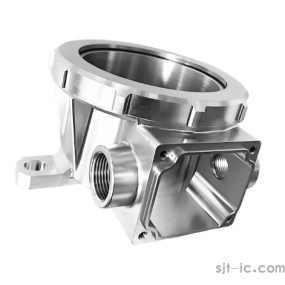
CNC Stainless Steel Machining is a manufacturing process used to produce accurate stainless steel parts with computer-controlled machines. Stainless steel is widely used in industries that need strong, durable, and corrosion-resistant components. However, machining stainless steel is not always easy. Its special properties can create challenges such as tool wear, heat buildup, and difficult chip removal.
For companies looking for reliable stainless steel components, understanding the machining process, material behavior, and quality control methods is important. An experienced CNC Machining partner, such as EMAR, helps customers select suitable materials, optimize machining methods, and produce high-precision stainless steel parts for different industries.
Why Stainless Steel Is Challenging to Machine
Stainless steel is popular because it combines strength, corrosion resistance, and a clean appearance. These advantages make it suitable for demanding applications, but they also affect machining performance.
The properties of stainless steel for CNC machining must be carefully considered before production begins. Different stainless steel grades have different machining behaviors. Common factors include:
- High hardness: Stainless steel is harder than many common metals, which increases cutting resistance and can accelerate tool wear.
- Work hardening: Stainless steel can become harder during machining if cutting conditions are not correct, making later cutting more difficult.
- Low thermal conductivity: Heat does not leave the cutting area quickly, causing higher temperatures at the tool edge.
- Corrosion resistance: The chromium content that protects stainless steel from rust also affects its cutting performance.
- Strength and toughness: Stainless steel can resist cutting forces and may produce long chips if chip control is not managed properly.
Because of these characteristics, CNC stainless steel machining requires professional knowledge of machine settings, tooling, and production methods.
The CNC Stainless Steel Machining Process
1. Material Selection and Design Review
The first step is choosing the correct stainless steel grade based on the final application. Common grades include 304, 316, and other specialized stainless steels. The selection depends on requirements such as strength, corrosion resistance, temperature resistance, and surface quality.
Before machining starts, engineers review the CAD drawings and technical requirements. A professional CNC machining supplier checks dimensions, tolerances, wall thickness, and possible machining difficulties. This early review helps prevent production problems and reduces unnecessary costs.
2. Tool Selection and Cutting Parameter Setup
Proper tooling is essential for producing high-quality stainless steel parts. The tool selection in CNC stainless steel machining directly affects machining speed, surface finish, and tool life.
- Use strong cutting tools made from carbide or other suitable materials.
- Select tool coatings that improve wear resistance and reduce friction.
- Choose proper tool geometry to reduce cutting pressure.
- Adjust cutting speed, feed rate, and depth of cut according to the stainless steel grade.
Using incorrect cutting parameters can cause problems such as excessive heat, poor surface quality, and fast tool damage. Experienced manufacturers like EMAR use optimized machining programs and suitable cutting strategies to improve efficiency and accuracy.
3. CNC Machining Operations
Depending on the part design, CNC stainless steel machining may include several operations:
- CNC milling: Used for creating complex shapes, slots, holes, and precision surfaces.
- CNC turning: Used for producing round parts such as shafts, connectors, and fittings.
- Drilling: Used for accurate holes and threaded features.
- Grinding and finishing: Used when extremely tight tolerances or smooth surfaces are required.
Modern CNC equipment allows manufacturers to produce complex stainless steel components with consistent quality. Multi-axis machines can reduce setup time and improve accuracy for complicated parts.
4. Chip Control During Machining
One common problem during stainless steel machining is chip formation. Stainless steel often produces long, tough chips that can interfere with the cutting process.
Effective chip control in CNC stainless steel machining improves safety, machining stability, and surface quality. Manufacturers usually solve chip problems by:
- Using chip breaker tools designed for stainless steel.
- Adjusting feed rates to create manageable chips.
- Applying proper coolant flow to remove chips and reduce heat.
- Choosing the correct cutting depth to avoid unstable cutting conditions.
Main Challenges in CNC Machining of Stainless Steel
The challenges in CNC machining of stainless steel are mainly related to heat, tool life, and maintaining precision. Understanding these issues helps manufacturers improve production results.
Tool Wear
Stainless steel creates high cutting forces, which can wear tools faster than softer materials. Worn tools may cause inaccurate dimensions, poor surface finishes, and increased production costs.
To reduce tool wear, manufacturers can:
- Select high-quality cutting tools suitable for stainless steel.
- Monitor tool conditions during production.
- replace tools before quality problems appear.
- Optimize cutting parameters based on material behavior.
Heat Generation
Because stainless steel transfers heat slowly, cutting heat often stays near the cutting zone. Excessive heat can damage tools and affect part accuracy.
Solutions include:
- Using effective coolant systems.
- Reducing unnecessary friction between tool and workpiece.
- Applying proper cutting speeds and feeds.
- Using advanced machining strategies to control temperature.
Maintaining Precision
Many stainless steel components require strict tolerances, especially for medical, aerospace, and industrial applications. Machine accuracy, fixture stability, and inspection processes all influence final quality.
Professional CNC suppliers use inspection equipment such as coordinate measuring machines (CMM) and precision testing tools to verify dimensions before delivery.
Applications of CNC-Machined Stainless Steel Parts
The applications of CNC-machined stainless steel parts cover many industries because stainless steel provides excellent strength and corrosion resistance.
- Medical equipment: Stainless steel parts are used for surgical tools, medical devices, and laboratory equipment because they are durable and easy to sterilize.
- Aerospace industry: Precision stainless steel components are used where strength and reliability are important.
- Automotive industry: CNC-machined stainless steel parts are used in engine components, connectors, and custom systems.
- Food and beverage equipment: Stainless steel is preferred because it resists corrosion and meets hygiene requirements.
- Industrial machinery: Stainless steel parts provide long service life in harsh working environments.
- Electronics and automation: Precision stainless steel components support accurate assembly and reliable operation.
How to Choose a Reliable CNC Stainless Steel Machining Partner
Choosing the right machining supplier can greatly influence part quality, delivery time, and overall cost. A reliable supplier should have:
- Experience with different stainless steel grades.
- Advanced CNC machines and skilled operators.
- Strong quality control systems.
- Professional engineering support before production.
- The ability to handle both prototypes and mass production.
EMAR provides professional CNC machining services with experience in precision stainless steel components. The company focuses on machining process optimization, strict quality inspection, and customized manufacturing solutions to help customers achieve reliable stainless steel parts for different industries.
Conclusion
CNC Stainless Steel Machining requires more than operating a CNC machine. Successful production depends on understanding stainless steel properties, selecting the right tools, controlling chips and heat, and maintaining strict quality standards.
By using proper machining strategies and working with an experienced manufacturer, businesses can achieve accurate, durable, and high-performance stainless steel components. Whether for prototypes or large-scale production, professional CNC machining expertise helps turn complex stainless steel designs into reliable finished parts.