Spanish
 Arabic
 French
 Portuguese
 Belarusian
 Japanese
 Russian
 Malay
Malay Icelandic
 Bulgarian
 Azerbaijani
 Estonian
 Irish
Irish Polish
 Persian
 Boolean
 Danish
 German
 Filipino
 Finnish
 Korean
 Dutch
Dutch Galician
 Catalan
 Czech
Czech Croatian
 Latin
Latin Latvian
 Romanian
 Maltese
 Macedonian
 Norwegian
 Swedish
 Serbian
 Slovak
 Slovenian
 Swahili
 Thai
Thai Turkish
 Welsh
Welsh Urdu
Urdu Ukrainian
 Greek
Greek Hungarian
 Italian
 Yiddish
 Indonesian
 Vietnamese
 Haitian Creole
 Spanish Basque

HTML
CNC Aluminum Parts Processing: A Simple Guide for Better Quality, Lower Cost, and Reliable Results
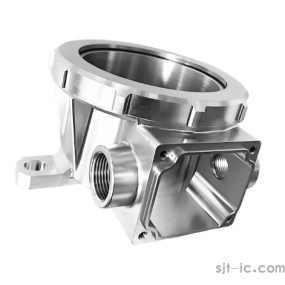
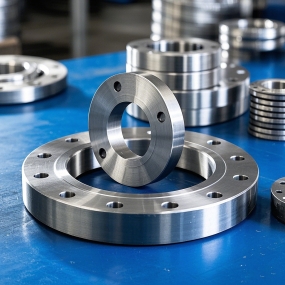
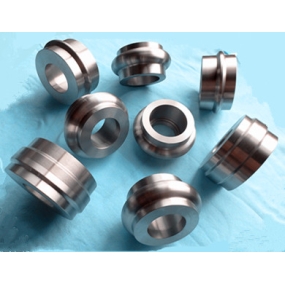
CNC Aluminum Parts Processing is one of the most widely used manufacturing methods in modern industries such as automotive, electronics, aerospace, and medical devices. However, many buyers and engineers still struggle to understand how the process works, what affects cost, and how to ensure stable quality.
This article explains the real working flow, common pain points, and practical solutions in simple English. It also introduces how professional manufacturers like EMAR improve results through experience and strict quality systems.
Understanding the Process Flow of CNC Aluminum Parts Processing
The process flow of CNC aluminum parts processing is not just “cutting metal.” It is a controlled system that turns raw aluminum into precise parts with tight tolerances.
- Design Review (DFM Check)
Engineers analyze the CAD drawings to ensure the design is suitable for machining. This step helps avoid unnecessary cost and production errors. - Material Selection
Choosing the right material is critical. Different alloys affect strength, weight, and machining performance. Proper materials selection for CNC aluminum parts processing can significantly improve product durability. - CNC Programming
CAM software is used to create tool paths. This ensures machines cut accurately and efficiently. - Machining Process
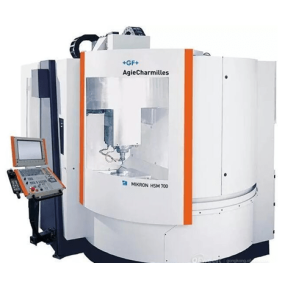
CNC machines perform milling, drilling, turning, and cutting based on the program. - Surface Finishing
Processes such as anodizing, polishing, or sandblasting improve appearance and corrosion resistance. - Final Inspection and Packaging
Every part is checked before delivery to ensure it meets specifications.
Quality Inspection in CNC Aluminum Parts Processing
Quality inspection in CNC aluminum parts processing is essential to ensure every part meets engineering requirements. Poor inspection can lead to product failure and high rework costs.
Common inspection methods include:
- Dimension measurement using calipers and micrometers
- Coordinate Measuring Machine (CMM) for high precision checks
- Surface roughness testing
- Visual inspection for scratches, burrs, or defects
Professional suppliers like EMAR apply multi-stage inspection—from raw material checking to final quality audit—to ensure stable and repeatable precision.
Cost Challenges and Cost-Saving Methods in CNC Aluminum Parts Processing
Many buyers are concerned about pricing. The truth is that CNC Machining cost depends on design complexity, material type, tolerance requirements, and order quantity.
Here are practical cost-saving methods in CNC aluminum parts processing:
- Simplify part design to reduce machining time
- Choose standard aluminum alloys when possible
- Avoid extremely tight tolerances unless necessary
- Increase batch quantity to reduce unit cost
- Optimize part structure for easier machining
Experienced manufacturers like EMAR help customers optimize designs before production, which often reduces total cost significantly without sacrificing performance.
Advantages of EMAR in CNC Aluminum Parts Processing
The advantages of EMAR in CNC aluminum parts processing come from years of engineering experience and strong production control systems.
- Engineering Support: EMAR provides DFM analysis to improve manufacturability before production starts.
- High Precision Equipment: Advanced CNC machines ensure stable accuracy and repeatability.
- Strict Quality System: Multiple inspection stages reduce defect risk.
- Flexible Production: Suitable for prototypes, small batches, and mass production.
- Cost Optimization: Practical suggestions help clients reduce unnecessary machining expenses.
With these strengths, EMAR has become a reliable partner for global customers who need stable and cost-effective CNC aluminum components.
Why CNC Aluminum Parts Processing Matters Today
Modern industries require parts that are lightweight, strong, and precise. Aluminum is ideal because it offers excellent machinability and corrosion resistance.
High-quality CNC Aluminum Parts Processing ensures products perform reliably in real-world applications, from industrial machines to consumer electronics.
Choosing the right supplier is not only about price—it is about long-term stability, quality assurance, and engineering support.
Conclusion
Understanding CNC Aluminum Parts Processing helps buyers make better decisions in design, cost control, and supplier selection. From material choice to final inspection, every step affects the final result.
With strong engineering capability and strict quality control, companies like EMAR help customers achieve better efficiency, lower cost, and more reliable production outcomes.