Spanish
 Arabic
 French
 Portuguese
 Belarusian
 Japanese
 Russian
 Malay
Malay Icelandic
 Bulgarian
 Azerbaijani
 Estonian
 Irish
Irish Polish
 Persian
 Boolean
 Danish
 German
 Filipino
 Finnish
 Korean
 Dutch
Dutch Galician
 Catalan
 Czech
Czech Croatian
 Latin
Latin Latvian
 Romanian
 Maltese
 Macedonian
 Norwegian
 Swedish
 Serbian
 Slovak
 Slovenian
 Swahili
 Thai
Thai Turkish
 Welsh
Welsh Urdu
Urdu Ukrainian
 Greek
Greek Hungarian
 Italian
 Yiddish
 Indonesian
 Vietnamese
 Haitian Creole
 Spanish Basque

HTML
CNC Parts Manufacturing Process: A Clear Guide for Better Understanding
The CNC Parts Manufacturing Process is widely used in modern industries to produce precise and high-quality components. However, many beginners and even some buyers feel confused about how the process actually works step by step. This article explains everything in simple English so you can clearly understand how CNC parts are made, what each stage does, and why each step matters.
What is the CNC Parts Manufacturing Process?
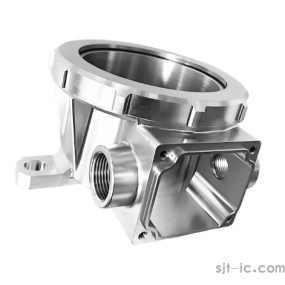
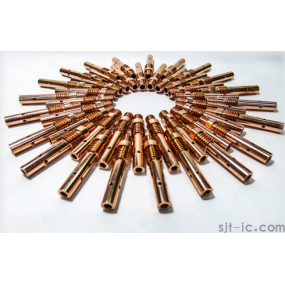
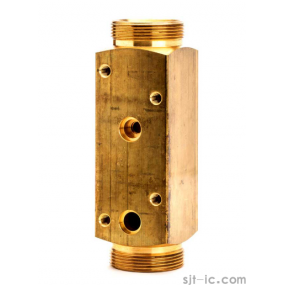
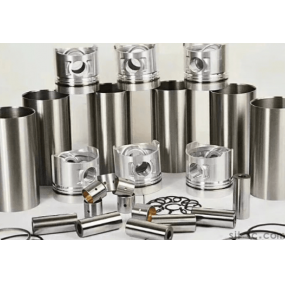
The CNC Parts Manufacturing Process refers to the complete workflow of producing parts using Computer Numerical Control (CNC) machines. These machines follow digital instructions to cut, shape, and finish materials like metal, plastic, or aluminum with high accuracy.
Instead of manual work, CNC machines use programmed data. This reduces human error and ensures every part is consistent, even in large production batches.
Initial Steps in CNC Parts Manufacturing
The initial steps in CNC parts manufacturing are very important because they set the foundation for the entire project. A small mistake at this stage can affect the final product quality.
- Design creation (CAD): Engineers create a 2D or 3D digital model of the part.
- Process planning: Experts decide which machine, tools, and materials will be used.
- Material selection: The correct raw material is chosen based on strength, cost, and application.
- Programming (CAM): The design is converted into machine instructions (G-code).
These early steps help ensure the rest of the CNC workflow runs smoothly and efficiently.
Machining Operations in the Process
The core of the CNC Parts Manufacturing Process happens during machining. This is where raw material becomes a finished shape through cutting, drilling, milling, or turning.
The machining operations in the process include several important techniques:
- Milling: Removes material using rotating cutting tools.
- Turning: Rotates the material while cutting tools shape it.
- Drilling: Creates precise holes in the part.
- Grinding: Improves surface smoothness and accuracy.
Each operation must be carefully controlled to achieve tight tolerances and high precision. Even a small deviation can affect the performance of the final product.
Importance of Each Stage in the CNC Parts Manufacturing Process
Every stage in the CNC Parts Manufacturing Process plays a specific role. Skipping or rushing any step can lead to defects or wasted materials.
The importance of each stage in the CNC parts manufacturing process can be understood like this:
- Design stage: Ensures the part meets functional requirements.
- Planning stage: Reduces production errors and saves cost.
- Machining stage: Determines precision and structural quality.
- Inspection stage: Confirms the part meets standards.
A well-managed process guarantees consistency, safety, and performance in real-world applications.
Quality Control During CNC Parts Manufacturing
Quality control during CNC parts manufacturing is essential to ensure every part meets design specifications. Without proper inspection, even advanced CNC machines can produce faulty results.
Common quality control methods include:
- Dimensional measurement using calipers and CMM machines
- Surface roughness testing
- Visual inspection for defects
- Functional testing for assembled parts
Strong quality control systems help reduce waste, improve customer satisfaction, and ensure long-term reliability.
Finishing Processes for CNC Parts
After machining and inspection, parts often go through finishing processes for CNC parts. These steps improve appearance, durability, and performance.
Common finishing methods include:
- Anodizing: Improves corrosion resistance (commonly used for aluminum).
- Polishing: Creates a smooth and shiny surface.
- Sandblasting: Produces a uniform texture.
- Coating or painting: Adds protection and visual appeal.
Finishing is not just about looks—it also helps extend the lifespan of the part in harsh environments.
How EMAR Supports High-Quality CNC Manufacturing
In today’s competitive manufacturing industry, choosing a reliable partner is very important. EMAR has strong experience in handling the complete CNC Parts Manufacturing Process, from early design support to final delivery.
With advanced CNC equipment and strict quality control systems, EMAR focuses on precision, stability, and efficiency. The company also pays attention to every detail in machining and finishing, ensuring that each part meets customer requirements.
Whether it is small batch production or large-scale manufacturing, EMAR’s professional team ensures consistent results and reliable service throughout the entire process.
Conclusion
Understanding the CNC Parts Manufacturing Process helps you make better decisions when choosing suppliers or planning production. From the initial steps in CNC parts manufacturing to final finishing, each stage has a clear purpose and directly affects product quality.
By paying attention to machining operations in the process, applying strict quality control during CNC parts manufacturing, and using proper finishing processes for CNC parts, manufacturers can achieve high precision and durability.
With experienced companies like EMAR, you can expect a well-managed and professional approach that ensures every stage of the process is handled with care and expertise.