Spanish
 Arabic
 French
 Portuguese
 Belarusian
 Japanese
 Russian
 Malay
Malay Icelandic
 Bulgarian
 Azerbaijani
 Estonian
 Irish
Irish Polish
 Persian
 Boolean
 Danish
 German
 Filipino
 Finnish
 Korean
 Dutch
Dutch Galician
 Catalan
 Czech
Czech Croatian
 Latin
Latin Latvian
 Romanian
 Maltese
 Macedonian
 Norwegian
 Swedish
 Serbian
 Slovak
 Slovenian
 Swahili
 Thai
Thai Turkish
 Welsh
Welsh Urdu
Urdu Ukrainian
 Greek
Greek Hungarian
 Italian
 Yiddish
 Indonesian
 Vietnamese
 Haitian Creole
 Spanish Basque

What Materials Can CNC Machine Process?
If you are new to CNC Machining, one of the most common questions is: What Materials Can CNC Machine Process? Many people are confused because CNC machines look very powerful, but not every material behaves the same during machining. Choosing the right material is important for cost, quality, and performance.
In this article, we will explain in simple English the common materials for CNC machining, their advantages, and the limits you should know before starting your project. This will help you avoid mistakes and choose the right material with confidence.
Common Materials for CNC Machining
CNC machines can process a wide range of materials. These are the most commonly used ones in real manufacturing:
Metals
Metals are the most popular materials in CNC machining because they are strong and durable.
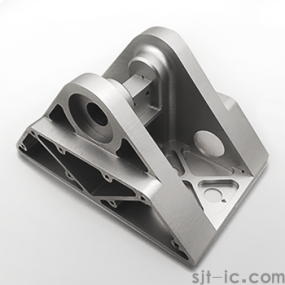
- Aluminum – Lightweight, easy to machine, and widely used in aerospace, electronics, and automotive parts.
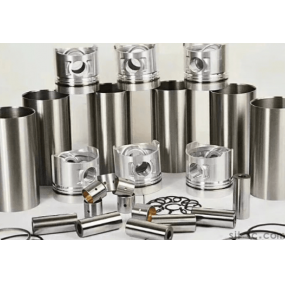
- Steel – Strong and wear-resistant, suitable for mechanical parts and industrial equipment.
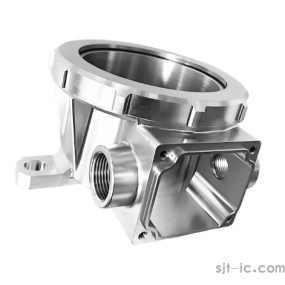
- Stainless Steel – Corrosion-resistant, often used in medical, food, and marine applications.
- Brass – Easy to machine and often used for decorative and electrical parts.
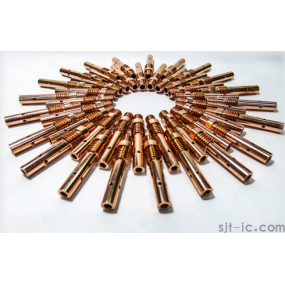
- Copper – Excellent electrical conductivity, used in electrical components.
These are part of the most common materials for CNC machining because they offer a good balance of strength and machinability.
Plastics
Plastics are also widely used because they are lightweight and cost-effective.
- ABS – Strong and impact-resistant, used in automotive and consumer products.
- Polycarbonate (PC) – Transparent and very strong, used in protective covers and lenses.
- Nylon – Good wear resistance, used in gears and mechanical parts.
- POM (Delrin) – Low friction, ideal for precision mechanical parts.
High-Performance Materials CNC Can Process
Modern CNC machines are not limited to basic materials. They can also handle advanced materials used in high-tech industries. These are known as high-performance materials CNC can process.
- Titanium – Very strong and lightweight, widely used in aerospace and medical implants.
- Inconel – Heat-resistant alloy used in jet engines and extreme environments.
- Carbon Fiber Composites – Lightweight and strong, used in racing and aerospace industries.
These materials require advanced machines, stable cutting tools, and experienced operators because they are more difficult to machine.
Advantages of Using Specific Materials in CNC Machining
Different materials offer different benefits. Understanding this helps you choose wisely based on your application.
- Aluminum: Fast machining speed and low cost for prototyping.
- Steel: High strength for heavy-duty mechanical parts.
- Plastics: Lightweight solutions for cost-sensitive projects.
- Titanium: Best strength-to-weight ratio for aerospace and medical use.
These are key advantages of using specific materials in CNC machining that directly affect product performance and production cost.
Limitations of CNC Machining for Certain Materials
Even though CNC machining is very flexible, it still has some limits. Not every material is easy or cost-effective to machine.
- Very hard materials (like hardened steel) can wear out tools quickly.
- Brittle materials (like some ceramics) may crack during machining.
- Soft materials (like rubber) may deform and reduce precision.
- Composite materials may cause tool wear and require special cutting methods.
These are important limitations of CNC machining for certain materials that engineers must consider before production.
Materials Ideal for Different CNC Machining Applications
Each industry has different needs, so material selection depends on the final application:
- Aerospace: Titanium, aluminum, and Inconel for strength and heat resistance.
- Automotive: Steel, aluminum, and engineering plastics for durability and cost balance.
- Medical: Stainless steel and titanium for safety and corrosion resistance.
- Electronics: Copper, aluminum, and plastics for conductivity and insulation.
Choosing the right material ensures better performance and longer product life.
Expert Insight from CNC Manufacturing Experience
In real production, material selection is not just theory. It depends on machining stability, surface finish requirements, and cost control. A professional CNC partner can help you avoid trial-and-error mistakes.
For example, EMAR has experience processing a wide range of metals, plastics, and high-performance alloys. With advanced CNC equipment and skilled engineers, EMAR helps customers choose suitable materials and optimize machining processes for better precision and efficiency.
This practical experience is especially valuable when working with complex designs or demanding industrial applications.
Conclusion
So, What Materials Can CNC Machine Process? The answer is: a very wide range—from soft plastics to high-strength metals and advanced aerospace alloys. However, each material has its own advantages and limitations.
By understanding materials ideal for different CNC machining applications and working with experienced manufacturers, you can achieve better product quality, lower cost, and more stable production results.
If you are planning a CNC project, choosing the right material—and the right machining partner—will make all the difference.