Spanish
 Arabic
 French
 Portuguese
 Belarusian
 Japanese
 Russian
 Malay
Malay Icelandic
 Bulgarian
 Azerbaijani
 Estonian
 Irish
Irish Polish
 Persian
 Boolean
 Danish
 German
 Filipino
 Finnish
 Korean
 Dutch
Dutch Galician
 Catalan
 Czech
Czech Croatian
 Latin
Latin Latvian
 Romanian
 Maltese
 Macedonian
 Norwegian
 Swedish
 Serbian
 Slovak
 Slovenian
 Swahili
 Thai
Thai Turkish
 Welsh
Welsh Urdu
Urdu Ukrainian
 Greek
Greek Hungarian
 Italian
 Yiddish
 Indonesian
 Vietnamese
 Haitian Creole
 Spanish Basque

HTML
CNC Precision Hardware Parts Processing: A Complete Guide for High-Quality Manufacturing
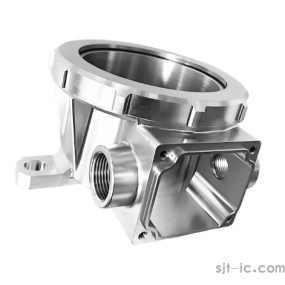
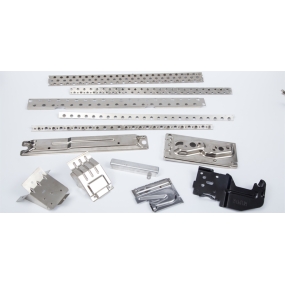
CNC Precision Hardware Parts Processing is a modern manufacturing method used to produce highly accurate metal and hardware components. Many industries such as automotive, aerospace, electronics, and medical devices rely on this technology to ensure stable performance and tight tolerances.
For many buyers and engineers, the biggest challenges are understanding the process, choosing the right materials, controlling costs, and ensuring consistent quality. This article explains everything in simple English to help you make better decisions.
What is CNC Precision Hardware Parts Processing?
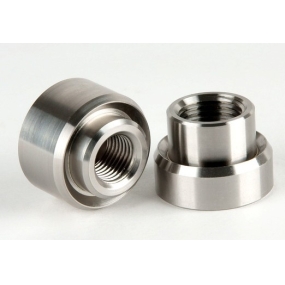
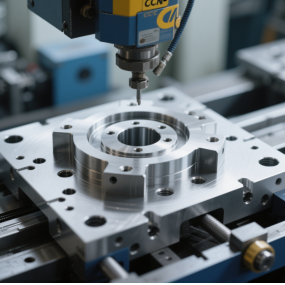
CNC Precision Hardware Parts Processing refers to the use of computer-controlled machines to cut, shape, and finish metal parts with high accuracy. Unlike manual machining, CNC machines follow digital instructions, which reduces human error and improves repeatability.
This method is widely used when parts must fit perfectly or work under strict technical requirements.
Steps in CNC Precision Hardware Parts Processing
Understanding the steps in CNC precision hardware parts processing helps users see how raw materials become finished products.
- Design & Drawing – Engineers create a 2D or 3D CAD model based on product requirements.
- Programming – The design is converted into CNC machine code (G-code).
- Material Selection – Choosing suitable metals based on strength, cost, and usage.
- Machining Process – CNC machines cut, drill, mill, or turn the material into shape.
- Surface Treatment – Polishing, anodizing, or coating to improve performance and appearance.
- Final Inspection – Checking dimensions and quality before delivery.
Materials Suitable for CNC Precision Hardware Parts
Choosing the right materials is very important in CNC manufacturing. Different applications require different performance levels.
- Aluminum: Lightweight, corrosion-resistant, widely used in electronics and automotive parts.
- Stainless Steel: Strong and durable, suitable for medical and industrial equipment.
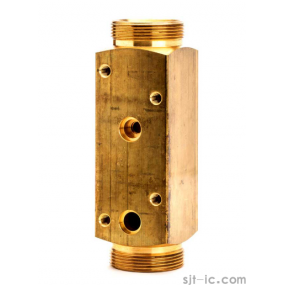
- Brass: Good electrical conductivity, often used in connectors and fittings.
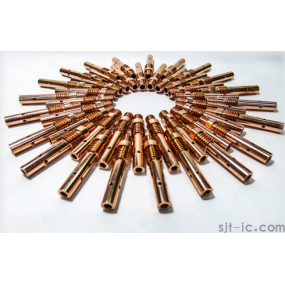
- Copper: Excellent thermal and electrical performance.
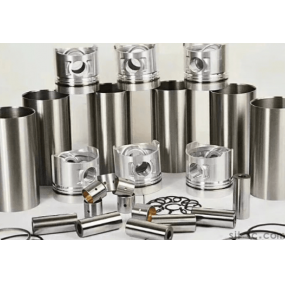
- Alloy Steel: High strength for heavy-duty mechanical parts.
Understanding materials suitable for CNC precision hardware parts helps reduce failure risk and improve product lifespan.
Advantages of CNC in Precision Hardware Parts Processing
The advantages of CNC in precision hardware parts processing are the main reason many industries prefer this technology over traditional methods.
- High accuracy and tight tolerances
- Stable and repeatable production quality
- Fast production for both prototypes and mass production
- Reduced human error
- Ability to produce complex shapes
These advantages help companies improve efficiency while maintaining consistent product quality.
Quality Control in CNC Precision Hardware Parts Processing
Strict quality control in CNC precision hardware parts processing is essential to ensure every part meets design requirements.
- Dimensional measurement using precision tools such as CMM machines
- Surface finish inspection
- Material hardness testing
- Batch sampling inspection for mass production
Reliable manufacturers like EMAR apply strict inspection systems at every stage to ensure customers receive stable and high-quality components.
Cost-Effectiveness in CNC Precision Hardware Parts Processing
Many buyers worry about cost, but cost-effectiveness in CNC precision hardware parts processing is actually one of its strongest benefits.
While initial setup costs may be higher, CNC Machining reduces long-term expenses by lowering material waste, reducing labor costs, and minimizing rework. For both small and large orders, it provides a balanced solution between price and performance.
Why Choose Professional CNC Manufacturing Support?
Working with an experienced supplier ensures better results, especially for complex or high-precision projects. A professional manufacturer can help optimize design, select suitable materials, and improve production efficiency.
For example, EMAR specializes in CNC Precision Hardware Parts Processing with advanced equipment and engineering support. Their experience across different industries helps customers achieve stable quality, faster delivery, and better cost control.
Conclusion
CNC Precision Hardware Parts Processing plays a key role in modern manufacturing. By understanding the process steps, material choices, quality control methods, and cost advantages, businesses can make smarter sourcing decisions.
With the support of reliable partners like EMAR, companies can achieve higher precision, better efficiency, and more stable production outcomes in today’s competitive market.