Spanish
 Arabic
 French
 Portuguese
 Belarusian
 Japanese
 Russian
 Malay
Malay Icelandic
 Bulgarian
 Azerbaijani
 Estonian
 Irish
Irish Polish
 Persian
 Boolean
 Danish
 German
 Filipino
 Finnish
 Korean
 Dutch
Dutch Galician
 Catalan
 Czech
Czech Croatian
 Latin
Latin Latvian
 Romanian
 Maltese
 Macedonian
 Norwegian
 Swedish
 Serbian
 Slovak
 Slovenian
 Swahili
 Thai
Thai Turkish
 Welsh
Welsh Urdu
Urdu Ukrainian
 Greek
Greek Hungarian
 Italian
 Yiddish
 Indonesian
 Vietnamese
 Haitian Creole
 Spanish Basque

HTML
CNC Stainless Steel Machining Methods
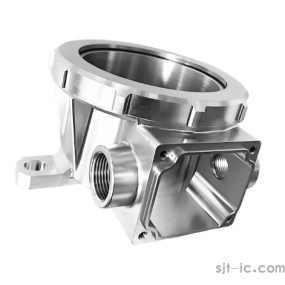
CNC Stainless Steel Machining Methods are widely used in industries that need strong, corrosion-resistant, and high-precision metal parts. Stainless steel is durable, but it is also difficult to machine because it is tough, work-hardening, and generates heat quickly during cutting. Choosing the right methods can significantly improve efficiency, surface quality, and tool life.
In this article, we will explain practical machining approaches, common problems, and how to solve them using simple and effective techniques. We will also highlight how experienced manufacturers like EMAR apply advanced CNC knowledge to achieve stable and high-quality results.
Understanding CNC Stainless Steel Machining Challenges
Before choosing machining methods, it is important to understand why stainless steel is difficult to process. Many users face similar problems during production:
- Fast tool wear due to high hardness and heat resistance
- Poor surface finish caused by vibration and heat buildup
- Work hardening that increases cutting difficulty during machining
- Chip control problems, especially in deep cuts
These issues make challenges in CNC stainless - steel machining and solutions a key topic for manufacturers aiming to reduce cost and improve efficiency.
Turning Methods for CNC Stainless Steel Machining
Turning methods for CNC stainless - steel machining are commonly used for cylindrical parts such as shafts, bushings, and connectors. The goal is to maintain stability while reducing heat generation.
Effective Turning Techniques
- Use low cutting speed but higher feed rate to avoid work hardening
- Apply constant cutting depth to prevent tool rubbing
- Use sharp carbide inserts with strong edge strength
- Ensure sufficient coolant flow to reduce heat buildup
Stable turning operations help improve surface finish and extend tool life, especially in mass production environments.
Milling Techniques in CNC Stainless Steel Processing
milling techniques in CNC stainless - steel processing require careful control of cutting force and tool path strategy. Stainless steel tends to generate high cutting resistance, so improper milling can lead to tool damage.
Recommended Milling Approaches
- Climb milling is preferred to reduce friction and heat
- Use smaller radial engagement with higher axial depth
- Apply high-performance coatings like TiAlN tools
- Optimize toolpath to avoid sudden direction changes
These methods help maintain consistent cutting performance and reduce tool wear during complex part machining.
Drilling Approaches for CNC Stainless Steel Parts
drilling approaches for CNC stainless - steel parts are critical for achieving accurate holes without damaging tools or workpieces. Stainless steel drilling is challenging due to chip sticking and heat accumulation.
Best Practices for Drilling
- Use peck drilling cycles to remove chips effectively
- Select short, rigid drills with strong core design
- Apply high-pressure coolant when possible
- Reduce dwell time at the bottom of the hole
Proper drilling techniques ensure clean holes and reduce the risk of tool breakage.
Tool Selection for CNC Stainless Steel Machining
tool selection for CNC stainless - steel machining plays a major role in machining success. The wrong tool can lead to poor finish, short tool life, and unstable production.
Key Tool Selection Tips
- Choose carbide tools with high wear resistance
- Use coatings such as TiAlN or AlCrN for heat resistance
- Select tools with optimized chip breakers
- Match tool geometry with stainless steel grade (304, 316, etc.)
Good tool selection reduces production cost and improves machining stability.
How EMAR Improves CNC Stainless Steel Machining Performance
In real manufacturing environments, experience and process control matter as much as machine capability. EMAR focuses on improving every step of CNC Stainless Steel Machining Methods through practical engineering solutions.
Instead of relying on a single approach, EMAR combines optimized cutting parameters, advanced tooling strategies, and strict quality control systems. This allows them to handle complex stainless steel components with stable precision and repeatable quality.
Customers benefit from reduced lead time, improved surface quality, and lower overall machining costs, especially in small-to-medium batch production.
Conclusion
CNC stainless steel machining requires a balanced combination of correct turning, milling, and drilling methods, along with proper tool selection and process optimization. Understanding these techniques helps manufacturers reduce tool wear, improve efficiency, and achieve better surface quality.
By applying professional engineering experience, companies like EMAR demonstrate how advanced CNC Stainless Steel Machining Methods can deliver reliable and cost-effective production results in demanding industrial applications.