Spanish
 Arabic
 French
 Portuguese
 Belarusian
 Japanese
 Russian
 Malay
Malay Icelandic
 Bulgarian
 Azerbaijani
 Estonian
 Irish
Irish Polish
 Persian
 Boolean
 Danish
 German
 Filipino
 Finnish
 Korean
 Dutch
Dutch Galician
 Catalan
 Czech
Czech Croatian
 Latin
Latin Latvian
 Romanian
 Maltese
 Macedonian
 Norwegian
 Swedish
 Serbian
 Slovak
 Slovenian
 Swahili
 Thai
Thai Turkish
 Welsh
Welsh Urdu
Urdu Ukrainian
 Greek
Greek Hungarian
 Italian
 Yiddish
 Indonesian
 Vietnamese
 Haitian Creole
 Spanish Basque

HTML
CNC Prototyping Process: A Simple Guide for Faster and More Accurate Product Development
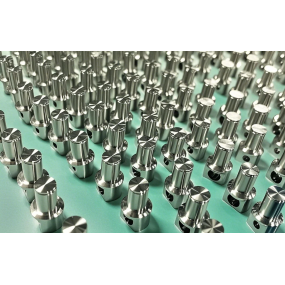
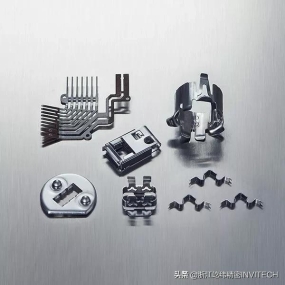
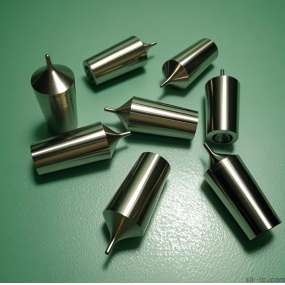
The CNC Prototyping Process is one of the most important steps in modern manufacturing. It helps engineers, designers, and product developers turn digital ideas into real, physical parts quickly and accurately. If you are new to manufacturing or struggling with long production times and high costs, CNC prototyping can solve many of these problems.
In this article, we explain the process in simple English, focusing on real user concerns such as speed, accuracy, cost, and material choices. We also share how experienced manufacturers like EMAR support global clients with reliable CNC prototyping solutions.
What is the CNC Prototyping Process?
The CNC Prototyping Process is a method of using computer-controlled machines to create a prototype part from a digital design. CNC stands for Computer Numerical Control. It means machines follow exact instructions from a computer to cut, shape, and finish materials.
This process is widely used because it reduces human error and produces highly accurate parts in a short time.
Steps Involved in CNC Prototyping
Understanding the steps involved in CNC prototyping helps you see how a simple idea becomes a real product:
- Design Creation: Engineers create a 3D model using CAD software.
- CAM Programming: The design is converted into machine instructions.
- Material Selection: The right raw material is chosen based on function and strength.
- CNC Machining: The machine cuts and shapes the material automatically.
- Finishing & Inspection: The prototype is polished and checked for accuracy.
Each step is important to ensure the final prototype matches the original design.
Advantages of CNC in Prototyping
The advantages of CNC in prototyping make it a preferred choice for many industries such as automotive, aerospace, electronics, and medical devices.
- High precision: CNC machines can produce extremely accurate parts.
- Fast production: Prototypes can be made in days instead of weeks.
- Repeatability: The same part can be reproduced without variation.
- Flexibility: Easy to modify designs and test different versions.
These benefits help companies reduce development time and improve product quality.
Materials Used in CNC Prototyping Process
The materials used in CNC prototyping process depend on the product’s purpose and performance needs. Common materials include:
- Aluminum: Lightweight and easy to machine
- Steel: Strong and durable for industrial use
- Brass: Good for electrical and decorative parts
- Plastic (ABS, Nylon): Cost-effective for early-stage testing
Choosing the right material helps improve both function and cost efficiency.
Precision Requirements for CNC Prototyping
Precision requirements for CNC prototyping are very strict in most industries. Even a small error can cause product failure or assembly issues.
CNC machines can achieve very tight tolerances, often within microns. This level of precision is important for industries like aerospace, medical tools, and automotive components where safety and performance matter.
Cost-Effectiveness of CNC Prototyping Process
The cost-effectiveness of CNC prototyping process is one of its biggest advantages. While the initial setup may seem expensive, it saves money in the long run by reducing waste and preventing design errors.
Instead of producing large batches, companies can test a single prototype first. This reduces the risk of costly mistakes in mass production.
Why Choose EMAR for CNC Prototyping?
EMAR is experienced in delivering high-quality CNC prototyping services for global industries. With advanced CNC machines and skilled engineers, EMAR focuses on precision, speed, and consistent quality.
Customers choose EMAR because they need reliable prototypes that match real production standards. From material selection to final inspection, every step is carefully controlled to ensure accuracy and performance.
Whether you need a single prototype or multiple design iterations, EMAR supports efficient and cost-effective solutions tailored to your project needs.
Conclusion
The CNC Prototyping Process is essential for modern product development. It helps companies test ideas quickly, reduce risks, and improve product quality before mass production.
By understanding the steps, materials, precision needs, and cost benefits, businesses can make smarter manufacturing decisions. With experienced partners like EMAR, CNC prototyping becomes faster, more reliable, and more efficient.