Spanish
 Arabic
 French
 Portuguese
 Belarusian
 Japanese
 Russian
 Malay
Malay Icelandic
 Bulgarian
 Azerbaijani
 Estonian
 Irish
Irish Polish
 Persian
 Boolean
 Danish
 German
 Filipino
 Finnish
 Korean
 Dutch
Dutch Galician
 Catalan
 Czech
Czech Croatian
 Latin
Latin Latvian
 Romanian
 Maltese
 Macedonian
 Norwegian
 Swedish
 Serbian
 Slovak
 Slovenian
 Swahili
 Thai
Thai Turkish
 Welsh
Welsh Urdu
Urdu Ukrainian
 Greek
Greek Hungarian
 Italian
 Yiddish
 Indonesian
 Vietnamese
 Haitian Creole
 Spanish Basque

HTML
What Materials Can CNC Generally Process?
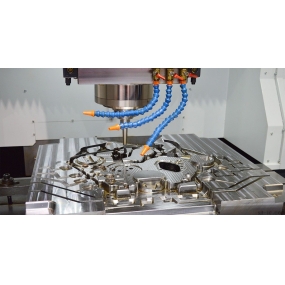
Understanding What Materials Can CNC Generally Process? is important for engineers, product designers, and buyers who want reliable machining results. CNC Machining is widely used because it can handle many types of materials with high precision, stable quality, and repeatable performance. However, not all materials behave the same during cutting, which often causes confusion for new users.
This article explains the most common metals and non-metals used in CNC machining, along with key factors that affect processing quality. It also shares practical insights based on real manufacturing experience to help you make better decisions.
Common Metals Processed by CNC
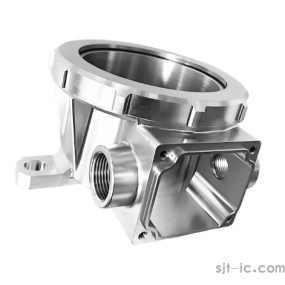
One of the most common search intents is about common metals processed by CNC. CNC machines are especially strong in metal cutting because they provide high rigidity and accuracy.
- Aluminum: Lightweight, easy to machine, and widely used in aerospace, automotive, and electronics.
- Steel: Strong and durable, suitable for structural parts and industrial components.
- Stainless Steel: Resistant to corrosion, often used in medical and food-grade applications.
- Brass: Easy to cut, commonly used in fittings, valves, and decorative parts.
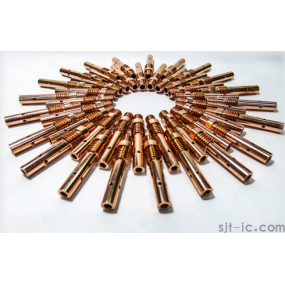
- Copper: Excellent electrical conductivity, used in electrical components.
Each metal requires different cutting speeds, tools, and cooling strategies to achieve the best result.
Non-Metallic Materials for CNC Machining
CNC is not limited to metals. Many non - metallic materials for CNC machining are widely used across industries.
- Plastics (ABS, PC, POM, Nylon): Used in prototypes, housings, and mechanical parts.
- Acrylic: Transparent and decorative applications such as displays and covers.
- Wood: Used in furniture, design models, and artistic products.
- Foam materials: Common in packaging and prototype modeling.
- Composite materials: Used in aerospace and high-performance industries.
These materials require careful tool selection to avoid melting, cracking, or deformation during machining.
Specialty Materials Processed by CNC
Advanced industries often require machining of difficult materials. These are known as specialty materials processed by CNC.
- Titanium alloys: High strength and corrosion resistance, widely used in aerospace and medical implants.
- Inconel: Heat-resistant superalloy used in turbines and engine parts.
- Carbon fiber composites: Lightweight but very strong, used in racing and aviation.
These materials are more difficult to cut and require advanced CNC machines, stable tooling systems, and experienced operators.
Advantages of CNC for Different Materials
The advantages of CNC for different materials explain why CNC machining is widely adopted in modern manufacturing.
- High precision and repeatability
- Suitable for both soft and hard materials
- Fast production for prototypes and mass production
- Reduced human error
- Ability to create complex geometries
No matter the material, CNC technology helps maintain consistent quality across production batches.
Factors Affecting CNC Processing of Materials
Several factors affecting CNC processing of materials must be considered to ensure good machining results.
- Material hardness: Harder materials require stronger tools and slower cutting speeds.
- Thermal properties: Some materials generate heat quickly and may deform.
- Tool selection: Wrong tools can reduce precision and tool life.
- Cutting parameters: Speed, feed rate, and depth of cut must be optimized.
- Cooling method: Proper cooling prevents overheating and surface damage.
Practical Manufacturing Support from EMAR
In real production, material selection and machining quality directly affect product performance and cost. EMAR provides CNC machining services for a wide range of metals, plastics, and specialty materials. With experienced engineers and modern CNC equipment, EMAR helps customers choose suitable materials and machining strategies for different industrial needs.
Whether you need prototypes, small batches, or large-scale production, EMAR focuses on stable quality, precise dimensions, and efficient delivery. This makes it easier for customers to move from design to finished parts without unnecessary risks.
Conclusion
To summarize, CNC machining can process a very wide range of materials, from common metals and plastics to advanced superalloys and composites. Understanding What Materials Can CNC Generally Process? helps you choose the right material for your application and avoid costly mistakes.
By considering material properties, machining conditions, and professional support, you can achieve better performance and more reliable manufacturing results.