
Analyze the Specific Operation Steps of Hardware Processing in Shenzhen Machinery Processing Plant
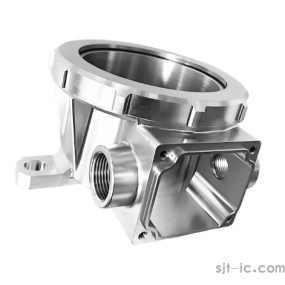
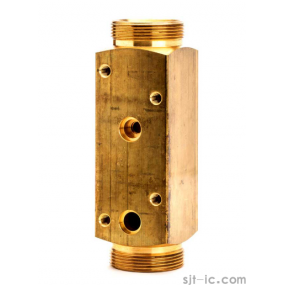
Hardware processing plays an important role in modern manufacturing. In Shenzhen machinery processing plants, hardware components are widely used in industries such as electronics, automotive, medical equipment, construction, and automation systems. These components must have accurate dimensions, strong performance, and reliable quality.
Many customers who need custom hardware parts are often confused about the production process. They may not know what happens after sending drawings to a factory, why each step is necessary, or how different operations affect the final product. This article will Analyze the specific operation steps of hardware processing in Shenzhen Machinery Processing Plant and explain each stage clearly, from material preparation to final quality inspection.
A professional manufacturer like EMAR understands the importance of controlling every detail in Shenzhen hardware processing. Through standardized production procedures, advanced equipment, and strict inspection systems, experienced factories can help customers achieve stable and high-quality hardware products.
1. Material Preparation: The Foundation of Hardware Processing
The first stage in hardware processing is preparing suitable materials. Proper material selection and inspection directly influence the strength, durability, and performance of the finished part.
Material Selection
Material selection means choosing the correct metal according to the purpose of the hardware component. Different industries have different requirements.
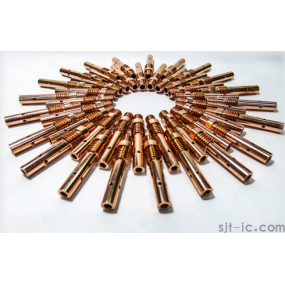
- Electronics industry: Copper is commonly selected for connectors because it has excellent electrical conductivity. It helps ensure stable current transmission.
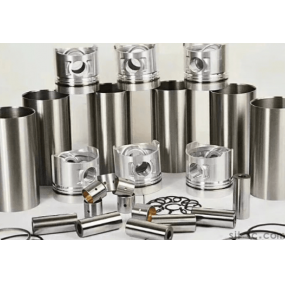
- Automotive industry: High-strength steel is often used for engine parts and structural components because it can handle high pressure and heavy loads.
- Precision equipment: Aluminum alloys may be selected because they are lightweight, corrosion-resistant, and easy to machine.
The wrong material choice can create serious problems. For example, if a connector uses a metal with poor conductivity, the electronic device may experience unstable performance.
Material Inspection
After choosing the material, the factory performs inspections before production begins. This process is an important part of material preparation in Shenzhen hardware.
Common inspection items include:
- Material size and thickness measurement.
- Surface quality checking for scratches, cracks, or rust.
- Chemical composition testing to confirm the material meets requirements.
For example, when an aluminum sheet arrives at a factory, technicians may use a micrometer to check thickness and visually inspect the surface. If the material has uneven thickness, later machining operations may produce inaccurate parts.
Careful material inspection prevents defects from entering the production process and improves overall manufacturing efficiency.
2. Machining Operations: Turning Raw Material into Accurate Parts
After material preparation, the next stage is machining. This is where machines remove or shape material to create the required hardware structure. The main hardware processing steps in Shenzhen usually include cutting, turning, and milling.
Cutting
Cutting is the first shaping operation. It changes large pieces of raw material into smaller pieces with approximate sizes.
Common cutting methods include:
- Saw cutting: Used for cutting metal bars or simple shapes.
- Shearing: Often used for Sheet Metal Processing.
- Laser cutting: Used for complex shapes requiring high accuracy.
For example, when producing metal brackets, a saw can cut steel bars into the required lengths. For electronic components with complex designs, laser cutting can create precise shapes with smooth edges.
Accurate cutting is important because incorrect dimensions may cause problems in later assembly. A part that is too large or too small may not fit with other components.
Turning
Turning is a machining process where the workpiece rotates while a cutting tool removes material. It is mainly used for producing round or cylindrical parts.
For example, motor shafts require precise turning operations. The machine controls the shaft diameter and length so that it can correctly fit with bearings and other components.
Precise turning helps avoid problems such as vibration, poor fitting, and reduced equipment lifespan. Even a small size difference can affect the performance of a mechanical system.
Milling
Milling uses a rotating cutting tool to create flat surfaces, grooves, holes, and complex shapes.
A common example is mold manufacturing. When producing a plastic injection mold, milling machines create accurate cavities and patterns inside the mold.
Milling is important because many modern hardware parts require complex designs. High-precision milling ensures that the final component matches the engineering drawing.
3. Heat Treatment: Improving Strength and Material Performance
Some hardware parts need additional heat treatment after machining. Heat treatment changes the internal structure of metal to improve strength, hardness, and durability.
Annealing
Annealing involves heating the metal to a specific temperature and then slowly cooling it. This process reduces internal stress and improves flexibility.
For example, steel parts may become easier to machine after annealing because the material becomes softer and more workable.
The importance of annealing includes:
- Reducing the possibility of cracks.
- Improving material stability.
- Making later processing easier.
Quenching and Tempering
Quenching involves heating metal to a high temperature and quickly cooling it. This increases hardness and strength. However, it can also make the material more brittle.
Tempering is performed afterward to reduce internal stress and improve toughness.
For example, cutting tools require proper quenching and tempering because they need both high hardness and enough toughness to avoid breaking during use.
Correct heat treatment allows hardware components to achieve the mechanical properties required for their working environment.
4. Finishing Steps: Improving Appearance and Function
After machining and heat treatment, hardware parts usually require finishing operations. These steps improve safety, appearance, and product performance.
Deburring
Machining can leave small sharp edges called burrs. Deburring removes these unwanted edges.
Methods include:
- Manual polishing with files or tools.
- Automatic deburring machines.
- Special surface cleaning processes.
For example, metal plates used in equipment assembly need smooth edges to prevent injuries and ensure accurate installation.
Deburring is important because burrs can affect assembly accuracy and may create safety problems.
Surface Treatment
Surface treatment improves the outside condition of hardware parts. It can increase corrosion resistance, improve appearance, and extend service life.
Common surface treatments include:
- Painting: Protects metal parts from rust.
- Plating: Adds a protective layer and may improve electrical performance.
- Anodizing: Improves corrosion resistance of aluminum parts.
For example, automotive components may receive painting treatment to prevent rust, while electronic connectors may use gold plating to improve electrical connections.
Professional manufacturers carefully select finishing methods according to the customer's application requirements.
5. Quality Control: Ensuring Reliable Hardware Products
Quality control runs through the entire hardware processing process. It is not only performed after production but also during each important manufacturing stage.
In-Process Inspection
During machining operations, technicians regularly check product quality. This is an important part of quality control in Shenzhen hardware.
Inspection items may include:
- Part dimensions.
- Surface smoothness.
- Hardness after heat treatment.
- Position accuracy of holes and features.
For example, after turning a shaft, inspectors measure its diameter to confirm it meets the required tolerance. If a problem is found early, adjustments can be made before more parts are produced.
Final Inspection
Before delivery, the finished hardware parts receive a complete inspection. The factory checks:
- Final dimensions.
- Mechanical performance.
- Surface quality.
- Appearance requirements.
For precision hardware used in advanced machines, every measurement must meet strict standards. Final inspection ensures that customers receive products that are safe, accurate, and reliable.
How Shenzhen Machinery Processing Plants Connect Each Operation Step
Hardware processing is not a collection of separate tasks. Each step affects the next one.
- Material preparation provides the correct foundation for production.
- Machining operations create the required shape and dimensions.
- Heat treatment improves strength and durability.
- Finishing steps improve appearance and performance.
- Quality control confirms that the final product meets customer requirements.
If one step is poorly controlled, problems may appear later. For example, incorrect material selection may cause cracking after heat treatment, while inaccurate machining may prevent final assembly.
Conclusion
Understanding the complete hardware processing process helps customers make better decisions when working with Shenzhen machinery processing plants. From material selection and machining to finishing and inspection, every operation has a clear purpose.
Companies like EMAR focus on professional Shenzhen hardware processing steps by combining experienced technicians, modern equipment, and strict quality management. This complete production approach helps deliver hardware components that meet different industries' requirements for accuracy, strength, and reliability.