The Art and Science of CNC Machining for Watch and Clock Parts
Watches and clocks may look small and simple from the outside, but inside they contain many tiny, precise parts that must work perfectly together. Even a very small error can affect time accuracy or product durability. This is why The Art and Science of CNC Machining for Watch and Clock Parts plays such an important role in modern manufacturing.
CNC machining helps create micro-level precision parts with consistent quality, but it also requires careful planning, material knowledge, and design understanding. In this article, we will explore how CNC technology solves real production challenges in watch and clock components and why it is trusted by high-end manufacturers worldwide.
Why Precision Matters in Watch and Clock Manufacturing
Mechanical watches and precision clocks depend on extremely accurate components such as gears, shafts, plates, and tiny connectors. A deviation of even a few microns can cause time errors or mechanical failure.
This is where precision in CNC machining of watch and clock parts becomes critical. CNC machines can repeat cutting operations with extremely tight tolerances, ensuring every part fits perfectly into the final assembly.
Manufacturers often face pain points such as inconsistent manual machining, high defect rates, and assembly misalignment. CNC machining reduces these issues by automating accuracy and minimizing human error.
Material Challenges in Small-Scale Components
Watch and clock parts are made from a variety of materials such as stainless steel, brass, aluminum, titanium, and sometimes special alloys. Each material behaves differently during cutting, which makes processing more complex.
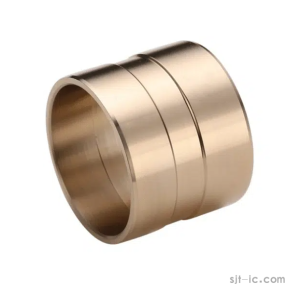
Material handling in CNC for watch and clock parts requires careful selection of tools, cutting speeds, and cooling methods. For example, titanium is strong but difficult to machine, while brass is easier but requires surface protection to maintain appearance.
Poor material handling can lead to surface scratches, deformation, or tool wear. That is why experienced CNC engineers must adjust machining parameters based on each material type to ensure stability and surface quality.
Improving Efficiency Without Losing Quality
In modern manufacturing, efficiency is as important as precision. Watch brands need consistent supply chains and fast production cycles without compromising quality.
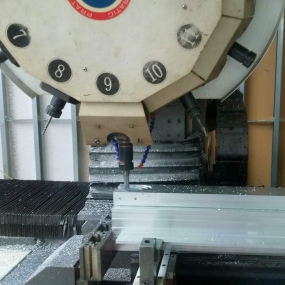
Efficiency in CNC machining for watch and clock parts is achieved through advanced programming, multi-axis machining, and optimized tool paths. These technologies reduce production time while maintaining high accuracy.
However, speed should never sacrifice quality. Skilled CNC technicians balance cutting speed, tool life, and surface finishing to ensure every component meets strict standards before assembly.
The Balance Between Function and Beauty
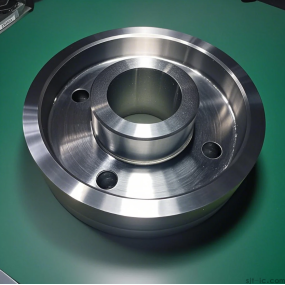
Watch and clock parts are not only mechanical components—they are also visible design elements in luxury products. Surface finishing, engraving, and fine textures all contribute to the final look.
aesthetic aspects of CNC machining watch and clock parts include smooth surface finishing, sharp edges, and consistent detailing. CNC machines can produce complex geometries that are difficult or impossible to achieve manually.
In high-end watches, even hidden parts may receive decorative polishing because craftsmanship standards are extremely high. This combination of function and beauty is what makes CNC machining so valuable in this industry.
Decorative Precision Through CNC Technology
Beyond functionality, many watch and clock manufacturers require decorative elements such as engraving logos, patterns, or artistic textures.
decorative processing via CNC for watch and clock parts allows manufacturers to create fine decorative details directly through programming. This reduces the need for additional manual engraving and improves consistency.
CNC engraving ensures that every product in a series has identical design quality, which is essential for brand identity and luxury positioning.
How CNC Expertise Improves Overall Product Quality
Producing high-quality watch and clock components requires more than just machines. It requires engineering experience, strict inspection standards, and process control.
Experienced CNC manufacturers use advanced measurement tools such as coordinate measuring machines (CMM) and optical inspection systems to ensure every part meets design requirements.
Tolerance control, surface roughness testing, and assembly simulation all help reduce risks before mass production begins.
EMAR CNC Machining Services for Watch and Clock Parts
In the precision manufacturing industry, EMAR has built strong experience in CNC machining for small and complex components. The company focuses on delivering stable quality, high precision, and flexible production support for watch and clock manufacturers.
EMAR’s engineering team understands the challenges of micro-scale machining, including tight tolerances, delicate materials, and decorative surface requirements. By combining advanced CNC equipment with strict quality control, EMAR helps clients reduce defects and improve production efficiency.
Whether it is prototype development or mass production, EMAR provides customized solutions that match different design and performance needs in the watch and clock industry.
Conclusion
The watch and clock industry demands a unique combination of engineering precision and artistic detail. The Art and Science of CNC Machining for Watch and Clock Parts shows how modern manufacturing can meet these high expectations through advanced technology and skilled expertise.
From precision cutting to decorative finishing, CNC machining solves many traditional production challenges such as inconsistency, inefficiency, and material waste. With proper engineering support and reliable partners like EMAR, manufacturers can achieve both technical excellence and visual perfection in every component.
The Art and Science of CNC Machining for Watch and Clock Parts
Watches and clocks may look small and simple from the outside, but inside they contain many tiny, precise parts that must work perfectly together. Even a very small error can affect time accuracy or product durability. This is why The Art and Science of CNC Machining for Watch and Clock Parts plays such an important role in modern manufacturing.
CNC machining helps create micro-level precision parts with consistent quality, but it also requires careful planning, material knowledge, and design understanding. In this article, we will explore how CNC technology solves real production challenges in watch and clock components and why it is trusted by high-end manufacturers worldwide.
Why Precision Matters in Watch and Clock Manufacturing
Mechanical watches and precision clocks depend on extremely accurate components such as gears, shafts, plates, and tiny connectors. A deviation of even a few microns can cause time errors or mechanical failure.
This is where precision in CNC machining of watch and clock parts becomes critical. CNC machines can repeat cutting operations with extremely tight tolerances, ensuring every part fits perfectly into the final assembly.
Manufacturers often face pain points such as inconsistent manual machining, high defect rates, and assembly misalignment. CNC machining reduces these issues by automating accuracy and minimizing human error.
Material Challenges in Small-Scale Components
Watch and clock parts are made from a variety of materials such as stainless steel, brass, aluminum, titanium, and sometimes special alloys. Each material behaves differently during cutting, which makes processing more complex.
Material handling in CNC for watch and clock parts requires careful selection of tools, cutting speeds, and cooling methods. For example, titanium is strong but difficult to machine, while brass is easier but requires surface protection to maintain appearance.
Poor material handling can lead to surface scratches, deformation, or tool wear. That is why experienced CNC engineers must adjust machining parameters based on each material type to ensure stability and surface quality.
Improving Efficiency Without Losing Quality
In modern manufacturing, efficiency is as important as precision. Watch brands need consistent supply chains and fast production cycles without compromising quality.
Efficiency in CNC machining for watch and clock parts is achieved through advanced programming, multi-axis machining, and optimized tool paths. These technologies reduce production time while maintaining high accuracy.
However, speed should never sacrifice quality. Skilled CNC technicians balance cutting speed, tool life, and surface finishing to ensure every component meets strict standards before assembly.
The Balance Between Function and Beauty
Watch and clock parts are not only mechanical components—they are also visible design elements in luxury products. Surface finishing, engraving, and fine textures all contribute to the final look.
aesthetic aspects of CNC machining watch and clock parts include smooth surface finishing, sharp edges, and consistent detailing. CNC machines can produce complex geometries that are difficult or impossible to achieve manually.
In high-end watches, even hidden parts may receive decorative polishing because craftsmanship standards are extremely high. This combination of function and beauty is what makes CNC machining so valuable in this industry.
Decorative Precision Through CNC Technology
Beyond functionality, many watch and clock manufacturers require decorative elements such as engraving logos, patterns, or artistic textures.
decorative processing via CNC for watch and clock parts allows manufacturers to create fine decorative details directly through programming. This reduces the need for additional manual engraving and improves consistency.
CNC engraving ensures that every product in a series has identical design quality, which is essential for brand identity and luxury positioning.
How CNC Expertise Improves Overall Product Quality
Producing high-quality watch and clock components requires more than just machines. It requires engineering experience, strict inspection standards, and process control.
Experienced CNC manufacturers use advanced measurement tools such as coordinate measuring machines (CMM) and optical inspection systems to ensure every part meets design requirements.
Tolerance control, surface roughness testing, and assembly simulation all help reduce risks before mass production begins.
EMAR CNC Machining Services for Watch and Clock Parts
In the precision manufacturing industry, EMAR has built strong experience in CNC machining for small and complex components. The company focuses on delivering stable quality, high precision, and flexible production support for watch and clock manufacturers.
EMAR’s engineering team understands the challenges of micro-scale machining, including tight tolerances, delicate materials, and decorative surface requirements. By combining advanced CNC equipment with strict quality control, EMAR helps clients reduce defects and improve production efficiency.
Whether it is prototype development or mass production, EMAR provides customized solutions that match different design and performance needs in the watch and clock industry.
Conclusion
The watch and clock industry demands a unique combination of engineering precision and artistic detail. The Art and Science of CNC Machining for Watch and Clock Parts shows how modern manufacturing can meet these high expectations through advanced technology and skilled expertise.
From precision cutting to decorative finishing, CNC machining solves many traditional production challenges such as inconsistency, inefficiency, and material waste. With proper engineering support and reliable partners like EMAR, manufacturers can achieve both technical excellence and visual perfection in every component.