
Chassis Sheet Metal Processing Technology: A Complete Guide from Material to Finished Product
Chassis sheet metal processing technology is an important manufacturing method used to produce strong and accurate chassis structures for vehicles, industrial equipment, electrical cabinets, machinery frames, and many other applications. A chassis usually needs to support heavy loads while maintaining good durability, safety, and appearance. Therefore, choosing the right materials and using proper processing methods are essential for achieving high-quality results.
This article explains the main steps of chassis sheet metal processing, including material selection, cutting, bending, welding, and surface treatment. It also provides practical information to help businesses understand how professional sheet metal manufacturers produce reliable chassis components.
Understanding Chassis Sheet Metal Processing Technology
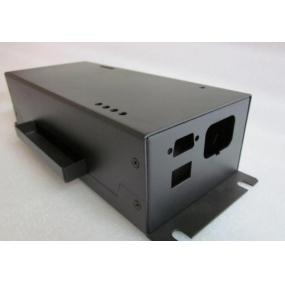
Chassis sheet metal processing technology refers to the complete manufacturing process of turning flat metal sheets into finished chassis parts through cutting, forming, joining, and finishing operations. Unlike simple metal fabrication, chassis production requires careful control of dimensions, strength, and assembly accuracy.
A typical chassis processing workflow includes:
- Choosing suitable sheet metal materials based on strength, weight, and environment.
- Cutting metal sheets into designed shapes.
- Bending sheets to create three-dimensional structures.
- Welding different parts into a complete frame.
- Applying surface treatments for protection and appearance.
- Performing quality inspections before delivery.
Professional manufacturers such as EMAR use advanced equipment and strict quality control systems to ensure chassis products meet customer requirements in different industries. Their experience with precision sheet metal fabrication helps customers achieve reliable products while controlling production costs.
Material Selection in Chassis Sheet Metal Processing Technology
Material selection in chassis sheet metal processing technology directly affects the strength, weight, service life, and production cost of the final product. Different applications require different metal materials.
Steel Materials for Chassis Processing
Steel is one of the most commonly used materials for chassis manufacturing because it provides high strength and good durability.
- Carbon steel: Carbon steel is affordable, strong, and easy to process. It is widely used for industrial equipment frames and general-purpose chassis structures.
- Stainless steel: Stainless steel has excellent corrosion resistance and a clean appearance. It is suitable for food equipment, medical devices, outdoor cabinets, and environments with moisture or chemicals.
- Galvanized steel: Galvanized steel has a protective zinc coating that improves rust resistance, making it useful for outdoor applications.
Aluminum Materials for Chassis Processing
Aluminum is another popular choice when lightweight design is important.
- Lightweight: Aluminum weighs less than steel, helping reduce overall product weight.
- Good corrosion resistance: Aluminum naturally forms a protective oxide layer.
- Easy machining: Aluminum can be cut and formed efficiently.
For example, a transportation equipment chassis may use aluminum to reduce weight, while a heavy industrial machine chassis may use steel to achieve higher load capacity. Professional manufacturers evaluate the working environment before recommending materials.
Cutting Techniques for Chassis Sheet Metal Processing
Cutting techniques for chassis sheet metal processing determine the accuracy and quality of the initial metal parts. Choosing the correct cutting method helps reduce waste and improves production efficiency.
Laser Cutting
Laser cutting uses a focused laser beam to cut metal sheets with high precision. It is widely used for complex chassis designs because it can create detailed shapes and small openings.
Advantages include:
- High cutting accuracy.
- Smooth edges with minimal finishing work.
- Suitable for both small and large production quantities.
Plasma Cutting
Plasma cutting uses a high-temperature plasma arc to cut metal. It is commonly used for thicker steel sheets where fast cutting speed is required.
Its main benefits include:
- Fast processing speed.
- Ability to cut thicker materials.
- Lower equipment cost compared with some precision cutting methods.
Shearing
Shearing is a traditional cutting method that uses mechanical force to cut straight lines on metal sheets. It is suitable for simple shapes and large-volume production.
For example, a factory producing standard electrical cabinet chassis may use shearing for basic panels and laser cutting for customized openings.
Bending Processes in Chassis Sheet Metal Processing
Bending processes in chassis sheet metal processing shape flat metal sheets into three-dimensional structures. Accurate bending is important because incorrect angles can affect assembly and product performance.
Manual Bending
Manual bending is performed by skilled workers using basic bending tools. It is suitable for prototypes, repair work, and small production quantities.
Advantages of manual bending:
- Flexible for customized projects.
- Low setup cost.
- Useful for simple parts.
CNC Bending
CNC bending uses computer-controlled machines to create accurate bends according to digital drawings. It is the preferred method for high-quality chassis production.
Benefits of CNC bending include:
- Higher accuracy and repeatability.
- Faster production for large orders.
- Reduced human error.
For example, a chassis requiring multiple precise bends for equipment installation usually benefits from CNC bending because every part maintains the same dimensions during mass production.
Welding Methods in Chassis Sheet Metal Processing
Welding methods in chassis sheet metal processing are used to connect different metal parts into a strong and stable structure. The correct welding method depends on the material type, thickness, and application requirements.
MIG Welding
MIG welding uses a continuous wire electrode to join metal parts. It is commonly used for steel chassis because it provides strong welds and high production efficiency.
Common applications include:
- Vehicle frames.
- Industrial equipment supports.
- Heavy-duty metal structures.
TIG Welding
TIG welding provides clean and precise welds. It is often used for stainless steel and aluminum chassis where appearance and welding quality are important.
Advantages include:
- Excellent welding control.
- High-quality finished surfaces.
- Suitable for thin metal sheets.
Spot Welding
Spot welding joins metal sheets by applying pressure and electrical current at specific points. It is widely used in automotive and high-volume manufacturing because of its speed.
A professional sheet metal supplier selects welding methods according to product requirements to ensure strength, appearance, and production efficiency.
Surface Treatment in Chassis Sheet Metal Processing
Surface treatment in chassis sheet metal processing improves corrosion resistance, appearance, and product lifespan. The right surface finish helps chassis products perform better in different environments.
Painting
Painting is one of the most common surface treatments. It provides protection against rust while allowing different colors and appearances.
Powder coating is often used for industrial chassis because it creates a durable and attractive surface.
Electroplating
Electroplating adds a thin metal coating to improve corrosion resistance and surface performance. Zinc plating is commonly used for steel parts that need additional rust protection.
Anodizing
Anodizing is mainly used for aluminum chassis parts. It improves surface hardness and corrosion resistance while maintaining a lightweight structure.
For example, an outdoor electrical equipment chassis may require powder coating or electroplating, while an aluminum electronic device frame may benefit from anodizing.
How Professional Manufacturers Ensure Chassis Quality
High-quality chassis sheet metal processing technology requires more than advanced machines. Professional manufacturers must also control every production step.
Important quality control processes include:
- Checking raw material thickness and quality before production.
- Inspecting cutting dimensions to ensure accuracy.
- Testing bending angles and assembly fit.
- Checking welding strength and appearance.
- Inspecting surface finishes for defects.
EMAR applies professional manufacturing experience, modern processing equipment, and strict inspection procedures to provide reliable chassis sheet metal processing services. By combining efficient production methods with careful quality management, EMAR helps customers reduce unnecessary costs while maintaining product performance.
Practical Tips for Choosing a Chassis Sheet Metal Processing Partner
When selecting a sheet metal processing supplier, customers should consider several factors:
- Technical experience: Choose a manufacturer familiar with different materials, cutting methods, bending methods, and welding processes.
- Production capability: Confirm that the supplier can handle both prototype development and mass production.
- Quality control: Reliable inspection procedures help prevent defects and delays.
- Cost management: Efficient production planning and suitable processing methods can reduce overall manufacturing costs.
EMAR provides customized chassis sheet metal processing solutions for various industries. With experience in material selection, precision fabrication, welding, and surface finishing, EMAR supports customers from design discussion to final production.
Conclusion
Chassis sheet metal processing technology combines material knowledge, precision manufacturing, and quality control to create strong and reliable chassis structures. From selecting steel or aluminum materials to applying advanced cutting, bending, welding, and surface treatment methods, every step influences the final product quality.
Understanding these processes helps customers make better decisions when developing chassis products. Working with an experienced manufacturer like EMAR can provide professional technical support, stable quality, and cost-effective sheet metal solutions for different applications.