What are the material requirements for aviation parts processing?
Aviation parts must work safely under extreme conditions. During flight, aircraft components experience high loads, vibration, temperature changes, moisture, and chemical exposure. Therefore, choosing the right material is one of the most important steps in aviation parts processing.
What are the material requirements for aviation parts processing? The answer includes several key factors: mechanical strength, fatigue resistance, corrosion resistance, thermal stability, lightweight performance, and cost control. The correct material helps improve aircraft safety, fuel efficiency, service life, and overall performance.
For aircraft manufacturers and suppliers, understanding these requirements is essential. A small material mistake can cause reduced part performance, higher maintenance costs, or even safety risks. Professional companies such as EMAR focus on selecting and processing suitable aviation materials to help customers produce reliable and high-quality aviation components.
Why Material Selection Is Important in Aviation Parts Processing
Unlike ordinary industrial parts, aviation parts must meet very strict performance standards. Aircraft components need to remain stable while facing different operating environments, from low temperatures at high altitudes to high heat inside engines.
The material directly affects the strength, weight, durability, and safety of an aircraft. For example, a wing component made from an unsuitable material may not handle repeated flight loads properly, while an engine part without enough thermal resistance may deform under high temperatures.
Good material selection allows aviation parts to achieve a balance between performance and reliability. This is why aviation companies carefully evaluate material properties before manufacturing.
Mechanical Property Requirements for Aviation Parts
The mechanical property requirements for aviation parts are among the most important factors when selecting materials. Aviation components must withstand strong forces, vibration, and repeated stress during operation.
High Strength-to-Weight Ratio
Aviation materials must be strong enough to support heavy loads but lightweight enough to avoid unnecessary aircraft weight. A high strength-to-weight ratio means the material provides excellent strength without adding too much mass.
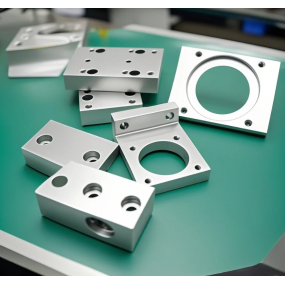
For example, aluminum alloys are widely used in aircraft structures such as wings and fuselage components. They provide good strength, are relatively lightweight, and are easier to process compared with some advanced materials.
Reducing aircraft weight improves fuel efficiency, increases payload capacity, and improves flight performance. If an aircraft uses heavier materials unnecessarily, it requires more fuel and may have reduced operating efficiency.
Good Fatigue Resistance
Aircraft parts experience repeated stress cycles during takeoff, flight, and landing. Over time, these repeated forces can create small cracks in materials, a problem known as fatigue failure.
Materials used for aviation parts must have excellent fatigue resistance to maintain reliability over many years. Titanium alloys are often used in high-stress components such as landing gear because they can withstand repeated loading without easily developing cracks.
Good fatigue resistance helps extend part service life and reduces the risk of unexpected failures. This is especially important because aviation failures can have serious safety consequences.
Corrosion-Resistance Requirements in Aviation Materials
Aircraft operate in many challenging environments, including humid air, rain, salt spray near oceans, and exposure to aviation chemicals. Therefore, the corrosion-resistance requirements in aviation materials are very strict.
Corrosion can weaken metal structures by reducing their strength and creating surface damage. Materials used in aviation parts must resist corrosion to maintain their original performance over long periods.
Resistance to Harsh Operating Environments
Stainless steel and specially treated aluminum alloys are commonly used in aviation applications because they provide good corrosion resistance.
For example, aircraft parts operating near coastal airports may be exposed to salt-filled air. Without proper corrosion resistance, metal surfaces could deteriorate faster and require more frequent maintenance.
Strong corrosion resistance helps aviation companies reduce repair costs, increase aircraft availability, and maintain structural safety.
Thermal-Stability Requirements of Aviation Parts
Some aviation components must operate under extremely high temperatures. This creates strict thermal-stability requirements of aviation parts, especially for engine-related components.
Ability to Maintain Performance at High Temperatures
Materials used in engines must keep their strength and shape even when exposed to intense heat. Nickel-based superalloys are commonly used in turbine blades because they can maintain excellent mechanical properties at high temperatures.
For example, during jet engine operation, turbine blades face temperatures that can cause ordinary metals to soften or deform. Nickel-based superalloys help the blades continue working safely and efficiently.
Good thermal stability improves engine reliability, reduces maintenance needs, and helps aircraft achieve better performance under demanding conditions.
Light-Weight Requirements for Aviation Materials
The light-weight requirements for aviation materials are closely related to fuel efficiency and aircraft performance. Every kilogram saved in an aircraft can reduce operating costs and improve efficiency.
Modern aircraft often use lightweight materials such as carbon fiber composites. These materials provide excellent strength while weighing much less than traditional metals.
For example, carbon fiber composites can be used for aircraft interior structures, panels, and some external components. They help reduce aircraft weight without sacrificing durability.
Lightweight materials provide several benefits:
- Lower fuel consumption
- Higher payload capacity
- Improved aircraft range
- Better overall performance
However, lightweight materials must still meet strict strength and safety requirements. Weight reduction cannot come at the cost of reliability.
Cost-Effectiveness in Aviation Part Materials
Although aviation materials must provide excellent performance, manufacturers also need to consider cost-effectiveness in aviation part materials. The most advanced material is not always the best choice if the cost is too high.
Balancing Performance and Manufacturing Cost
Aviation companies usually select materials that provide the required performance while keeping production and maintenance costs reasonable.
For example, aluminum alloys remain popular in many aircraft applications because they offer a good balance between strength, weight, corrosion resistance, and price. Although newer materials may provide higher performance in certain areas, aluminum alloys are still a practical choice for many parts.
Cost-effective material selection helps manufacturers produce competitive aircraft while maintaining safety and quality standards.
How EMAR Helps Meet Aviation Material Requirements
Professional Material Sourcing and Processing
Selecting the correct material for aviation parts requires experience and technical knowledge. EMAR understands the strict requirements of aviation manufacturing and provides professional support in material sourcing and precision processing.
Based on different application needs, EMAR can help select suitable materials such as aluminum alloys, titanium alloys, stainless steel, and composite materials. The selection process considers strength, corrosion resistance, temperature resistance, weight, and manufacturing requirements.
Quality Control for Reliable Aviation Parts
Material quality directly affects the final performance of aviation components. EMAR applies strict quality control methods during material inspection and part processing to ensure that materials meet required standards.
For example, when processing high-temperature engine components, careful material verification helps ensure that nickel-based superalloys maintain the required thermal stability and mechanical strength.
By combining proper material selection with advanced processing capabilities, EMAR helps customers achieve reliable aviation parts that meet demanding industry expectations.
Conclusion: Choosing the Right Materials Ensures Better Aviation Performance
The materials used in aviation parts processing determine the safety, durability, and efficiency of aircraft. Key requirements include strong mechanical properties, corrosion resistance, thermal stability, lightweight performance, and reasonable cost.
Understanding What are the material requirements for aviation parts processing? helps manufacturers make better decisions and avoid problems caused by unsuitable materials. With professional experience in material sourcing and precision manufacturing, EMAR supports customers in producing high-quality aviation parts that meet strict performance requirements.