CNC Machining Charging Standard: How CNC Pricing Really Works in Simple Terms
Understanding the CNC Machining Charging Standard is very important for buyers who want to control costs and avoid hidden fees. Many customers feel confused because CNC prices are not fixed. The final cost depends on several clear but often overlooked factors. This article explains everything in simple English so you can make better decisions when ordering CNC parts.
What Is CNC Machining Charging Standard?
The CNC Machining Charging Standard is the way suppliers calculate the total cost of CNC machined parts. There is no single fixed price because every part is different in design, material, and processing time. Most factories calculate price using a basic formula:
Total Price = Machining Time Cost + Material Cost + Additional Fees × (1 + Profit Margin)
This means the final price is always based on real production work, not a fixed catalog price.
Factors Influencing CNC Machining Charging
The factors influencing CNC machining charging are usually related to time, material, and process difficulty. Below are the most important ones:
- Machining time: The longer the machine runs, the higher the cost.
- Part complexity: Complex shapes need more cutting paths and higher precision.
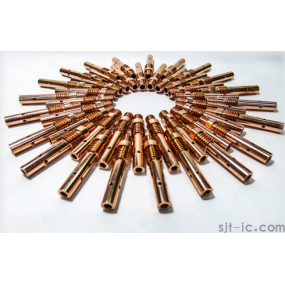
- Material type: Aluminum is cheaper to machine than stainless steel or copper.
- Tolerance requirements: Tight precision increases machining time and inspection cost.
- Surface treatment: Anodizing, polishing, or coating adds extra cost.
For many customers, the biggest surprise is that small design changes can significantly affect the final price.
How to Calculate CNC Machining Charges Accurately
To understand how to calculate CNC machining charges accurately, we need to break it into three parts:
- Machining Hours Cost: Calculated by machining time × machine hourly rate.
- Material Cost: Based on material weight × unit price + loss rate.
- Additional Fees: Includes tools, fixtures, inspection, surface treatment, packaging, and shipping.
For example, aluminum parts usually have lower material cost, but complex CNC paths or high precision requirements can still increase the total price.
Typical Charging Standards for Different CNC Processes
The typical charging standards for different CNC machining processes vary depending on machine type and precision level:
- 3-axis CNC machining: Lower cost, suitable for simple parts and flat surfaces.
- 4-axis / 5-axis machining: Higher cost, used for complex geometries and multi-angle parts.
- Precision CNC machining: Highest cost, used for tight tolerance industries like aerospace or medical.
In general, more axes and higher precision mean higher machining efficiency requirements and increased pricing.
Why CNC Aluminum Parts Price Varies So Much
Even for the same material like aluminum, prices can still be very different. This is because:
- Simple bracket parts may only take minutes to machine.
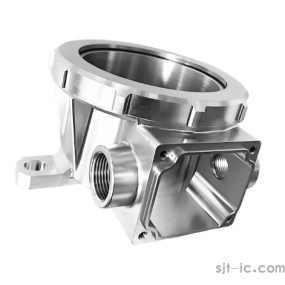
- Complex housings may require hours of cutting and finishing.
- Small batch production increases setup time per unit.
So, there is no single “standard price” for CNC aluminum parts—only a calculation based on real work.
Cost-Saving Tips for CNC Machining Aluminum Parts
If you want to reduce cost while keeping good quality, here are practical suggestions:
- Simplify part design where possible without affecting function.
- Use standard tolerances instead of ultra-precision requirements.
- Choose suitable aluminum grades for your application.
- Increase batch size to reduce per-unit setup cost.
These methods help you control cost without sacrificing performance.
Reliable CNC Partner for Fair and Transparent Pricing
Choosing the right supplier is just as important as understanding pricing rules. A professional manufacturer can help you reduce unnecessary cost while ensuring quality.
:contentReference[oaicite:0]{index=0} provides CNC machining services with clear cost breakdowns and transparent pricing methods. Their engineering team helps customers optimize designs, reduce machining time, and improve cost efficiency for aluminum parts and other metal components.
With experience in precision machining and small-to-large batch production, EMAR focuses on delivering stable quality and reasonable pricing based on real machining requirements.
Conclusion
The CNC Machining Charging Standard is not a fixed number but a structured calculation based on time, material, and process complexity. Once you understand the pricing logic, you can better control your budget and make smarter manufacturing decisions. Working with an experienced supplier like EMAR can also help you balance cost, quality, and delivery time effectively.