
CNC Machining for Medical Devices: Precision, Materials, Quality, and Compliance Guide
Medical devices require extremely high standards because they directly affect patient safety and healthcare performance. CNC Machining for Medical Devices is widely used to produce accurate, reliable, and customized components for surgical tools, implants, diagnostic equipment, and other medical applications.
Unlike general CNC machining, medical device machining requires stricter control of materials, tolerances, cleanliness, documentation, and production processes. Choosing the right machining partner is important for companies that need consistent quality, fast development, and cost-effective manufacturing.
What Makes CNC Machining for Medical Devices Different?
Medical parts often have complex designs, small dimensions, and strict performance requirements. A small error in a medical component can affect the function of a device, so manufacturers must follow careful production procedures.
The main differences between medical CNC machining and standard machining include:
- Higher precision requirements: Medical components often require very tight tolerances to ensure proper assembly and reliable operation.
- Strict material control: Materials must meet medical application requirements, including strength, corrosion resistance, and biocompatibility.
- Advanced quality inspection: Every production stage needs monitoring and verification.
- Complete documentation: Medical manufacturers usually require detailed records for traceability and compliance.
Experienced suppliers such as EMAR focus on precision CNC manufacturing processes, advanced machining equipment, and strict inspection systems to support the production of high-quality medical components.
Material Considerations in CNC Machining for Medical Devices
Choosing the correct material is one of the most important steps in medical device machining. Different medical applications require different material properties, so manufacturers must consider strength, weight, corrosion resistance, sterilization ability, and compatibility with the human body.
Common materials used in CNC machining for medical devices include:
- Stainless steel: Popular for surgical instruments because it offers good corrosion resistance, durability, and easy sterilization.
- Titanium: Often used for implants and lightweight medical parts because of its strength and biocompatibility.
- Aluminum: Suitable for equipment housings and medical device structures where low weight is important.
- Engineering plastics: Materials such as PEEK are used in applications requiring chemical resistance and special performance.
Understanding material considerations in CNC machining for medical devices helps prevent problems such as part failure, poor performance, or incompatibility with the final medical application. A professional CNC machining company can help customers select suitable materials based on design requirements and application needs.
Precision Requirements in Medical Device CNC Machining
Medical devices often contain small and complex parts that must fit together perfectly. High machining accuracy is necessary to maintain device reliability and safety.
Important factors affecting precision include:
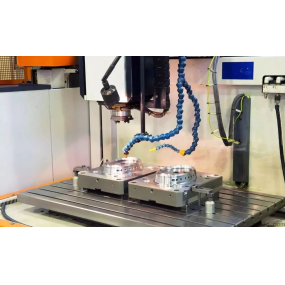
- Modern CNC machines with high positioning accuracy
- Proper cutting tools and machining parameters
- Experienced engineers who understand medical component requirements
- Stable production environments with controlled processes
The precision requirements in medical device CNC machining can be challenging because many parts include complex shapes, tiny features, and strict dimensional limits. Using advanced CNC technology and professional process management helps manufacturers achieve repeatable results.
EMAR provides CNC machining services for complex precision parts, supporting medical customers with professional engineering support, accurate machining, and reliable production capabilities.
Quality Control in CNC Machining of Medical Devices
Quality control is a key part of medical CNC manufacturing. Medical companies need confidence that every component meets design specifications before it enters the next production stage.
Effective quality control methods include:
- Incoming material inspection: Checking raw materials before machining begins.
- In-process inspection: Monitoring dimensions and machining conditions during production.
- Final inspection: Using precision measurement tools to confirm finished part quality.
- Traceability records: Maintaining production information for future reference.
Strong quality control in CNC machining of medical devices reduces risks and improves product consistency. Professional suppliers use inspection equipment such as coordinate measuring machines (CMM), optical measurement systems, and other testing tools to verify accuracy.
EMAR emphasizes quality management throughout the machining process, helping customers achieve stable production results for demanding medical applications.
Regulatory Aspects in CNC Machining for Medical Devices
Medical manufacturing is highly regulated because device quality directly affects patient safety. CNC machining suppliers must understand the requirements related to medical production, documentation, and process control.
Important regulatory considerations include:
- Using approved and traceable materials
- Maintaining accurate production records
- Following controlled manufacturing procedures
- Supporting customer documentation requirements
The regulatory aspects in CNC machining for medical devices require manufacturers to pay attention to every detail, from material selection to final inspection. A machining partner with experience in regulated industries can help reduce production risks and improve project efficiency.
When working with medical customers, EMAR supports professional manufacturing practices and quality-focused processes to meet demanding industry expectations.
How CNC Machining Improves Medical Device Development Speed
Medical companies often need to develop new products quickly while maintaining high quality. CNC machining provides flexibility for prototypes, small-batch production, and customized medical components.
Benefits include:
- Fast production of prototypes for testing and evaluation
- Easy design changes without expensive tooling changes
- Support for customized medical device components
- Shorter development cycles compared with traditional manufacturing methods
This makes CNC machining a valuable solution for companies developing innovative medical technologies that require accurate and reliable parts.
Cost-Related Factors in CNC Machining for Medical Devices
Medical CNC machining requires high precision and strict quality management, but manufacturers can still control costs through smart production planning.
Key cost-related factors in CNC machining for medical devices include:
- Material choice: Different materials have different prices and machining difficulties.
- Part complexity: More complex designs may require additional machining operations.
- Production volume: Larger quantities can reduce the average cost per part.
- Design optimization: Improving part design can reduce machining time and material waste.
Working with an experienced CNC machining supplier helps customers balance quality, performance, and manufacturing costs. EMAR provides engineering support and production solutions designed to improve efficiency while maintaining strict quality standards.
How to Choose the Right CNC Machining Partner for Medical Devices
Selecting the right supplier is important for successful medical device production. Companies should evaluate several factors before starting a project.
- Experience with medical and precision machining projects
- Advanced CNC equipment and inspection technology
- Strong quality management processes
- Ability to handle different materials and complex designs
- Clear communication and engineering support
A reliable CNC machining partner should not only produce parts but also provide technical guidance during design, material selection, and manufacturing optimization.
EMAR combines CNC machining expertise, precision manufacturing capabilities, and quality-focused production management to support customers who need dependable medical device components.
Conclusion
CNC Machining for Medical Devices requires much more than basic part manufacturing. It involves careful material selection, high precision machining, strict quality control, regulatory awareness, and effective cost management.
By choosing an experienced CNC machining provider, medical companies can improve product reliability, reduce development risks, and bring high-quality devices to market more efficiently. With professional machining capabilities and a focus on precision manufacturing, EMAR helps support the growing needs of the medical industry.