Sheet Metal Shell Processing Process: Key Steps, Methods, and Quality Control Guide
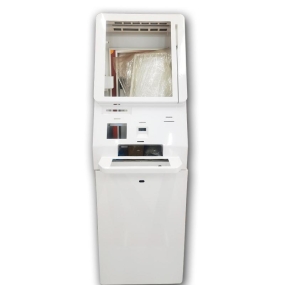
The sheet metal shell processing process is an important manufacturing procedure used to produce protective covers, equipment housings, machine enclosures, electronic cabinets, and many other metal products. A well-designed process can improve product strength, appearance, accuracy, and production efficiency.
However, many companies face problems when selecting a processing supplier. Common issues include inaccurate dimensions, surface defects, long delivery times, high production costs, and poor communication during customization. Understanding the complete processing workflow helps buyers choose the right manufacturing partner and avoid unnecessary losses.
What Is the Sheet Metal Shell Processing Process?
The sheet metal shell processing process refers to the series of manufacturing steps that transform flat metal sheets into finished shells or enclosures. The process usually includes design review, material selection, cutting, bending, welding, surface treatment, assembly, and inspection.
Different products require different processing methods. For example, a precision electronic enclosure may require CNC cutting and accurate bending, while a large industrial cabinet may focus more on strength and welding performance. Choosing the correct process based on product requirements is the key to achieving good results.
Key Steps in Sheet Metal Shell Processing
A professional manufacturer follows a clear production workflow to reduce errors and improve product quality. The main key steps in sheet metal shell processing include the following:
- Design review and engineering analysis: Engineers check drawings, dimensions, tolerances, material requirements, and production feasibility before manufacturing begins. This step helps identify possible problems early.
- Material preparation: The selected metal sheets are prepared according to product specifications. Material thickness and quality directly affect the final strength and durability of the shell.
- CNC cutting: Laser cutting, CNC punching, or other precision cutting methods are used to create accurate shapes and openings. Modern CNC equipment helps achieve consistent results for both prototypes and mass production.
- Bending and forming: Sheet metal is shaped using CNC bending machines. Accurate bending ensures correct assembly and reduces adjustment work during later stages.
- Welding and assembly: Different parts are joined through welding, riveting, or other fastening methods. Skilled operators ensure strong connections and smooth appearance.
- Surface treatment: Processes such as powder coating, painting, polishing, or plating improve corrosion resistance and product appearance.
- Final inspection and packaging: Finished products are checked for size, appearance, function, and surface quality before delivery.
Materials Used in Sheet Metal Shell Processing Process
Selecting suitable materials is one of the most important decisions in manufacturing. The common materials used in sheet metal shell processing process include:
- Stainless steel: Provides excellent corrosion resistance and strength. It is often used for medical equipment, food machinery, and outdoor applications.
- Aluminum: Lightweight and easy to process. It is widely used for electronic housings and products requiring good heat dissipation.
- Carbon steel: Offers high strength and cost advantages. It is commonly used for industrial equipment frames and protective covers.
- Galvanized steel: Provides additional rust protection and is suitable for environments with higher moisture levels.
The right material depends on factors such as working environment, product lifespan, budget, weight requirements, and appearance expectations. An experienced manufacturer can recommend suitable materials based on the actual application.
Advantages of Different Processing Methods in Sheet Metal Shell Processing
Different manufacturing methods have their own advantages. Understanding the advantages of different processing methods in sheet metal shell processing helps companies select the most suitable solution.
CNC Laser Cutting
CNC laser cutting provides high accuracy and clean edges. It is suitable for complex shapes, small holes, and customized designs. This method reduces material waste and improves production efficiency.
CNC Bending
CNC bending offers consistent angles and repeatable results. It is especially useful for products that require multiple bends and precise assembly.
Welding Processing
Welding creates strong connections between metal parts. It is suitable for large structures and products that require high mechanical strength.
CNC Machining for Precision Parts
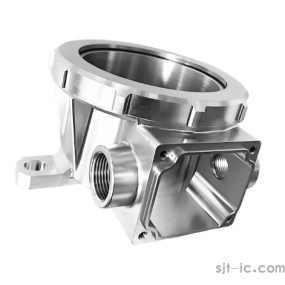
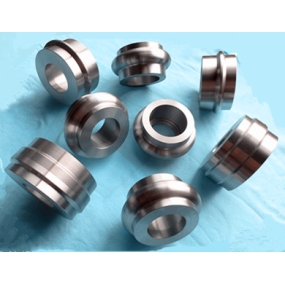
For sheet metal shells with high-precision components or complex structures, CNC machining can provide better dimensional accuracy. Companies such as EMAR combine CNC processing capabilities with sheet metal manufacturing experience to support customized metal parts and precision components.
Quality Control in Sheet Metal Shell Processing
Reliable quality control is essential because even small errors can affect product installation, performance, and customer satisfaction. Effective quality control in sheet metal shell processing usually includes:
- Checking raw material quality before production.
- Inspecting cutting dimensions and hole positions during processing.
- Testing bending angles and assembly accuracy.
- Checking welding strength and surface appearance.
- Performing final inspections before shipment.
A professional supplier should have experienced engineers, modern equipment, and a complete inspection system. These capabilities help reduce production risks and ensure stable product quality.
How to Reduce Costs in Sheet Metal Shell Processing
Many customers want high-quality products while controlling manufacturing expenses. Using cost-effective approaches in sheet metal shell processing process can help achieve this balance.
- Optimize product design: A simple and practical design can reduce unnecessary processing steps and material waste.
- Select suitable materials: Choosing materials based on actual requirements prevents overspending on unnecessary performance features.
- Choose the right production method: Different quantities and designs require different solutions. CNC processing is often suitable for customized parts and small-to-medium production runs.
- Work with an experienced manufacturer: A supplier with strong engineering support can prevent design problems and reduce rework costs.
How to Choose a Reliable Sheet Metal Shell Processing Manufacturer?
Choosing the right supplier is often more important than choosing the processing method. Before cooperation, customers should evaluate:
- Production equipment and technical capabilities.
- Experience with similar sheet metal shell projects.
- Quality inspection procedures.
- Engineering support and communication ability.
- Delivery reliability and after-sales service.
EMAR provides customized CNC processing services and precision manufacturing solutions for different industries. With professional engineering support and advanced CNC equipment, EMAR helps customers handle complex designs, improve production efficiency, and achieve stable product quality from prototype development to batch production.
Conclusion
The sheet metal shell processing process involves multiple steps, from material selection and CNC cutting to forming, surface treatment, and quality inspection. Understanding each stage helps businesses avoid common manufacturing problems and make better supplier decisions.
By selecting suitable materials, optimizing designs, applying proper processing methods, and working with an experienced manufacturer, companies can achieve durable, accurate, and cost-effective sheet metal shells for various applications.