
CNC Machining of Valve Parts: Precision, Reliability, and Real-World Solutions
In modern industries such as oil and gas, water treatment, chemical processing, and manufacturing systems, valve performance is critical. Even a small defect in a valve part can lead to leakage, pressure loss, or system failure. This is why CNC Machining of Valve Parts has become a key manufacturing method for high-quality and reliable components.
Many engineers and buyers face common problems such as unstable quality, poor sealing performance, and short service life of valve parts. These issues often come from low-precision manufacturing or inconsistent manual processes. CNC machining helps solve these pain points with stable accuracy and repeatable production quality.
Why Precision Matters in Valve Part Manufacturing
Valves are responsible for controlling flow, pressure, and direction of liquids or gases. If the parts do not meet strict tolerance levels, even a tiny gap can cause serious performance issues.
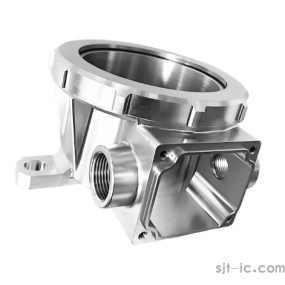
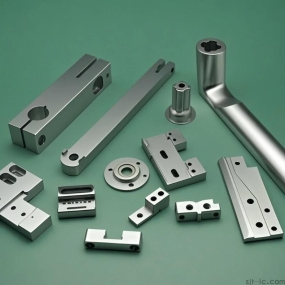
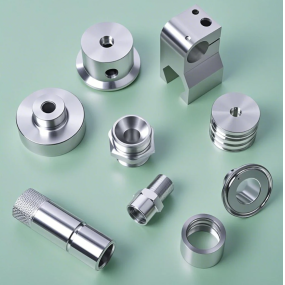
The precision requirements for CNC machining valve parts are usually very strict because components like valve bodies, stems, and seats must fit perfectly together. CNC machines can achieve high-level accuracy within microns, ensuring strong sealing performance and smooth operation.
Key precision challenges include:
- Maintaining tight sealing surfaces to prevent leakage
- Ensuring perfect alignment between moving components
- Controlling surface roughness for better wear resistance
- Achieving consistent dimensions in mass production
Materials Suitable for CNC Machining Valve Parts
Different working environments require different materials. Choosing the right material is essential for durability and performance.
Common materials suitable for CNC machining valve parts include:
- Stainless steel – Excellent corrosion resistance, widely used in water and chemical systems
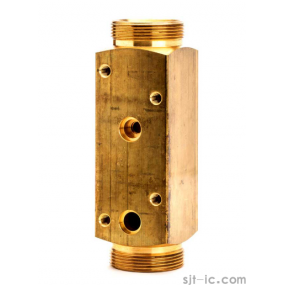
- Brass – Good machinability and suitable for general fluid control systems
- Carbon steel – Strong and cost-effective for high-pressure applications
- Alloy steel – Used in demanding environments with high temperature or pressure
- Special alloys – Such as Inconel for extreme industrial conditions
Correct material selection helps extend service life and reduces maintenance costs over time.
Advantages of CNC Machining in Valve Part Production
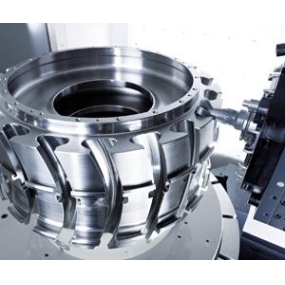
The advantages of CNC machining in valve part production are clear when compared to traditional manufacturing methods. CNC technology provides stability, speed, and precision that manual processes cannot match.
- High precision: Ensures tight tolerances for sealing and fitting
- Consistency: Every part is identical, even in large batches
- Complex shapes: Easily produces detailed internal structures
- Faster production: Reduces lead time for urgent projects
- Lower defect rate: Minimizes waste and rework costs
These benefits make CNC machining the preferred solution for modern valve manufacturing industries.
Cost-Effective Strategies for CNC Machining Valve Parts
While precision is important, cost control is also a major concern for buyers and manufacturers. The cost-effective strategies for CNC machining valve parts focus on balancing quality and production efficiency.
- Optimize part design to reduce unnecessary machining steps
- Select materials based on real working conditions, not over-specification
- Use batch production to lower per-unit cost
- Apply advanced CNC programming to shorten machining time
- Reduce secondary finishing by improving surface quality during machining
Good planning in the early design stage can significantly reduce overall manufacturing costs without sacrificing performance.
Quality Control and Industry Standards
Reliable valve parts must meet strict quality standards. Professional CNC manufacturers use advanced inspection tools such as coordinate measuring machines (CMM), surface testers, and pressure testing systems.
High-quality production also follows ISO-based quality management systems to ensure consistency and traceability. This is especially important for industries where safety and reliability are critical.
Why Choosing the Right CNC Partner Matters
Not all machining suppliers can meet the strict requirements of valve components. Experience, equipment capability, and quality control systems all play a key role in final product performance.
Companies like EMAR provide professional CNC machining services for valve parts with a strong focus on precision, material selection, and quality stability. With advanced CNC equipment and experienced engineering support, EMAR helps customers reduce production risks and improve product reliability from prototype to mass production.
Conclusion
CNC Machining of Valve Parts is essential for industries that require safe, stable, and efficient fluid control systems. By understanding precision needs, selecting proper materials, and applying cost-saving strategies, manufacturers can achieve high performance while controlling production costs.
With the support of experienced suppliers like EMAR, businesses can improve product quality, shorten delivery time, and build stronger competitiveness in demanding industrial markets.