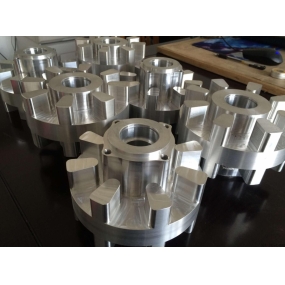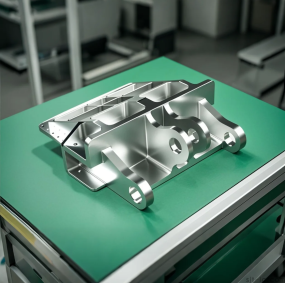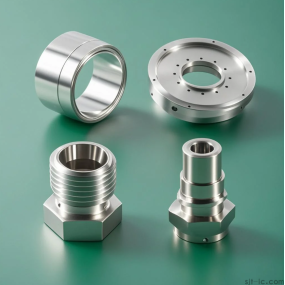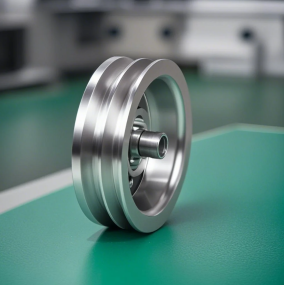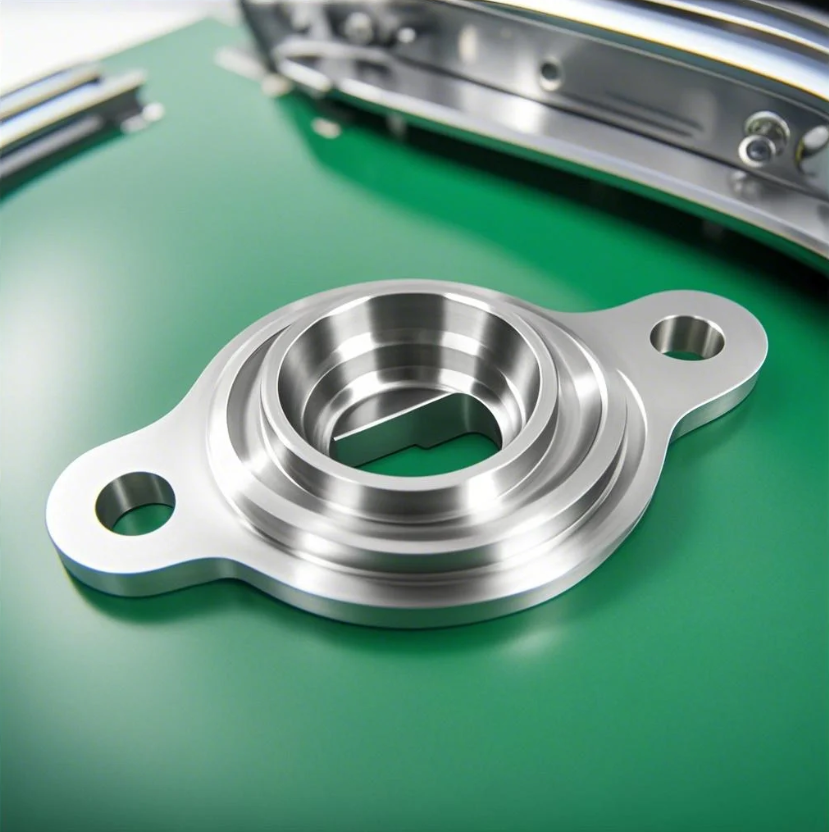
CNC Machining Valve Components plays a critical role in modern industries such as oil & gas, water treatment, chemical processing, and power generation. Valves control the flow of liquids and gases, so even a small machining error can cause leakage, pressure failure, or safety risks.
For many buyers and engineers, the biggest challenge is finding stable quality, tight tolerance control, and long service life. This is where CNC technology becomes essential, offering consistent precision and repeatability for complex valve parts.
Valve components often include valve bodies, stems, seats, discs, and seals. These parts must fit together perfectly to ensure safe flow control. Traditional machining methods may struggle with complex shapes and tight tolerances.
Advantages of CNC in valve component machining include high accuracy, stable production quality, and the ability to produce complex geometries in a repeatable way. CNC systems reduce human error and improve consistency across large production batches.
Understanding the manufacturing process helps customers evaluate suppliers and ensure product reliability. Below are the typical steps in CNC machining valve components:
Valve systems often operate under high pressure or extreme temperatures. Because of this, precision requirements for valve components CNC machining are extremely strict.
Even a small deviation in diameter or surface finish can lead to leakage or system failure. In many cases, tolerances are controlled within microns, especially for sealing surfaces and moving parts.
Choosing the right material is essential for performance and durability. Different working environments require different material properties.
Materials suitable for CNC machining of valve components include:
Reliable valves depend heavily on strict inspection processes. Quality control in CNC machining of valve components ensures that every part meets engineering requirements before delivery.
Common inspection methods include coordinate measuring machines (CMM), surface roughness testing, pressure testing, and visual inspection.
Choosing the right machining partner is just as important as choosing the right design. Experienced manufacturers can help reduce production risks, improve performance, and lower long-term maintenance costs.
EMAR has built strong expertise in CNC Machining Valve Components, focusing on high-precision production and strict quality control systems. With advanced CNC equipment and engineering support, EMAR helps customers achieve stable performance even in demanding industrial environments.
By combining technical experience with careful inspection processes, EMAR supports industries that require reliable valve systems with consistent quality and long service life.
CNC Machining Valve Components is a key process that ensures safety, performance, and durability in many industrial systems. From material selection to final inspection, every step must be carefully controlled.
By understanding machining steps, precision requirements, and quality control methods, businesses can make better decisions when selecting suppliers. With professional support from experienced manufacturers like EMAR, achieving high-quality valve components becomes more efficient and reliable.