CNC Machining of Stainless Steel Valve Body: Process, Challenges, and Quality Solutions
Stainless steel valve bodies are widely used in industries such as oil and gas, chemical processing, water treatment, food equipment, and industrial automation. Because valve bodies must handle pressure, temperature changes, and corrosive environments, their machining quality directly affects safety and performance.
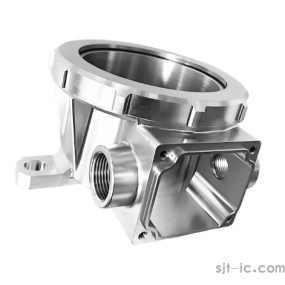
The CNC machining of stainless steel valve body is a reliable manufacturing method that uses computer-controlled machines to produce complex valve components with high accuracy and consistent quality. However, many buyers face challenges such as difficult material cutting, unstable delivery times, high machining costs, and inconsistent product quality. Understanding the process and choosing the right machining partner can help avoid these problems.
Why CNC Machining Is Suitable for Stainless Steel Valve Bodies
Stainless steel is strong, corrosion-resistant, and durable, but it is also a challenging material to machine. Its low thermal conductivity and work-hardening characteristics can cause tool wear and reduce machining efficiency.
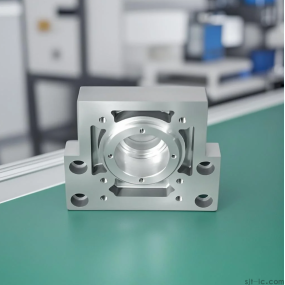
CNC machining solves many of these problems by providing precise control over cutting speed, feed rate, and machining paths. Advanced CNC equipment can create complex valve body structures, including internal passages, sealing surfaces, threaded holes, and connection areas, while maintaining strict dimensional accuracy.
The main advantages of CNC machining for stainless steel valve body include:
- High precision: CNC machines can achieve tight tolerances required for valve sealing and pressure performance.
- Stable production quality: Automated machining reduces human errors and keeps each batch consistent.
- Complex design capability: CNC equipment can process complicated shapes that are difficult to produce with traditional methods.
- Flexible customization: Different valve body sizes, structures, and materials can be produced according to customer requirements.
- Better surface quality: Proper machining parameters can improve surface finish and reduce additional processing.
Key Steps in the CNC Machining Process for Stainless Steel Valve Bodies
A successful machining project requires careful planning from material preparation to final inspection. The typical process includes the following steps:
- Material selection and preparation:
Common materials include stainless steel grades such as 304, 316, and other specialized alloys depending on corrosion resistance and operating conditions. Proper material selection helps ensure long service life.
- CNC programming and process planning:
Engineers create machining programs based on 3D models or technical drawings. Cutting paths, tool movements, and machining sequences are optimized to improve efficiency and accuracy.
- Rough machining:
The first machining stage removes excess material and creates the basic valve body shape. Proper cutting conditions are important to prevent excessive tool wear.
- Precision machining:
Fine machining creates accurate sealing surfaces, holes, threads, and internal channels. This stage directly affects valve performance.
- Inspection and finishing:
The finished parts are checked for dimensions, surface quality, and functional requirements before delivery.
Key Considerations in CNC Machining Stainless Steel Valve Body
Many machining problems happen because important details are overlooked during the early design and production stages. The following factors should be carefully considered:
Material Characteristics
Different stainless steel grades have different machining behaviors. For example, some grades provide excellent corrosion resistance but require special cutting strategies. Selecting the correct material and machining method helps reduce production problems.
Machine Capability
The CNC machine must have enough rigidity, accuracy, and power to process stainless steel effectively. Machines with poor stability may create vibration, dimensional errors, or poor surface finishes.
Tool Selection and Cutting Parameters
Proper tool selection for CNC machining stainless steel valve body is essential for improving machining efficiency. High-quality carbide tools, suitable coatings, and optimized cutting parameters can reduce tool replacement frequency and improve production stability.
Part Design and Manufacturability
A valve body design that considers machining requirements can reduce unnecessary processing steps. Working with experienced engineers during the design stage can help lower costs and improve production efficiency.
Quality Control in CNC Machining of Stainless Steel Valve Body
Valve bodies are safety-related components, so quality control is one of the most important parts of production. Reliable manufacturers should have a complete inspection system to verify every critical requirement.
Effective quality control in CNC machining of stainless steel valve body usually includes:
- Checking raw material certificates to confirm material grade and properties.
- Using precision measuring equipment to inspect dimensions and tolerances.
- Testing sealing areas and connection points to ensure proper performance.
- Inspecting surface finish to prevent leakage or assembly problems.
- Recording inspection data for production traceability.
A professional CNC machining supplier should not only focus on producing parts but also provide reliable quality management throughout the entire manufacturing process.
How to Improve Cost-Effectiveness in CNC Machining Stainless Steel Valve Body
Many customers are concerned that stainless steel machining costs are too high. While stainless steel requires careful processing, several methods can help control expenses without reducing quality.
Improving cost-effectiveness in CNC machining stainless steel valve body involves:
- Choosing the right stainless steel grade according to actual application needs.
- Optimizing the design to reduce unnecessary machining operations.
- Selecting suitable tools to extend tool life.
- Using efficient CNC programming methods to reduce machining time.
- Partnering with an experienced manufacturer that can reduce production risks.
The lowest machining price is not always the best choice. Poor-quality parts can lead to equipment failures, production delays, and higher long-term costs. A supplier with strong engineering experience can provide better overall value.
Choosing a Reliable CNC Machining Partner
Finding the right machining supplier is a common challenge for companies purchasing stainless steel valve bodies. A reliable supplier should have experience with stainless steel processing, advanced CNC equipment, skilled engineers, and strict quality management systems.
EMAR provides professional CNC machining services for precision metal components, including stainless steel valve body processing. With experience in precision manufacturing, engineering support, and quality inspection, EMAR helps customers solve problems related to accuracy, production efficiency, and customized requirements.
When selecting a CNC machining partner, customers should evaluate:
- Experience in machining stainless steel components.
- Ability to handle complex valve body designs.
- Quality inspection and production control capabilities.
- Communication efficiency and technical support.
- Ability to meet delivery schedules for both prototypes and mass production.
Conclusion
The CNC machining of stainless steel valve body requires professional equipment, proper process planning, and strict quality control. From material selection and tool choice to final inspection, every step influences the reliability of the finished valve body.
By understanding the key machining challenges and working with an experienced manufacturer like EMAR, businesses can achieve high-quality stainless steel valve bodies with better accuracy, stable performance, and reasonable production costs.