CNC Machining Parts: Materials, Processes, Quality Control, Cost, and Applications
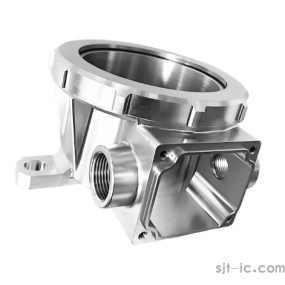
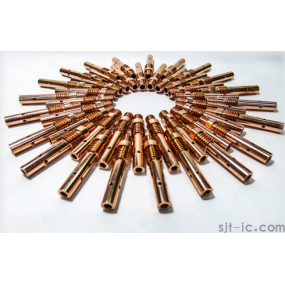
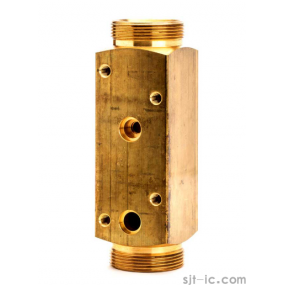
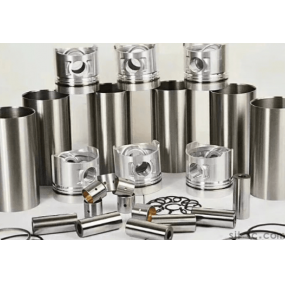
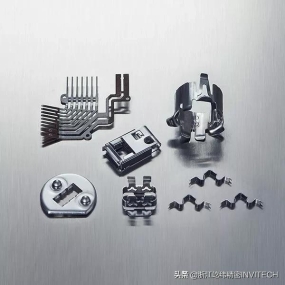
CNC Machining Parts are essential components used in many industries because they offer high precision, excellent repeatability, and flexible design options. From automotive systems and aerospace equipment to medical devices and industrial machines, CNC-machined parts help products achieve better performance and longer service life.
However, many businesses and individuals face challenges when choosing CNC machining parts. Common concerns include selecting the right material, understanding machining processes, controlling quality, managing production costs, and finding a reliable manufacturing partner. Understanding these key factors helps buyers make better decisions and ensures that the final parts meet performance requirements.
This guide explains the most important aspects of CNC machining parts, including material selection, machining methods, quality inspection, cost control, and real-world applications.
Material Selection for CNC Machining Parts
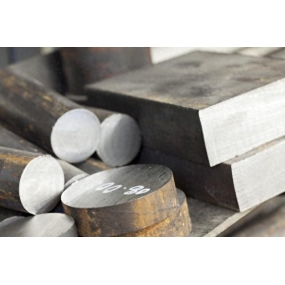
Material selection for CNC parts is one of the most important steps in the manufacturing process. The material directly affects part strength, weight, durability, corrosion resistance, machining difficulty, and overall cost. Choosing the wrong material can lead to poor performance, higher expenses, or early product failure.
Aluminum
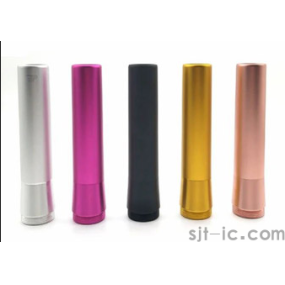
Aluminum is one of the most commonly used materials for CNC machining parts because it is lightweight, easy to machine, and has excellent thermal conductivity.
Its main advantages include:
- Lightweight: Aluminum helps reduce product weight, making it suitable for automotive, aerospace, and portable electronic products.
- Good thermal conductivity: It can transfer heat efficiently, which is useful for heat sinks, electronic housings, and cooling components.
- Good corrosion resistance: Aluminum naturally forms an oxide layer that protects the surface.
- Easy machining: It allows faster cutting speeds and reduces machining time.
For example, aluminum CNC parts are widely used in electronics because they can provide strong protection while helping devices manage heat. In the automotive industry, aluminum components help reduce vehicle weight and improve fuel efficiency.
Steel
Steel is selected when high strength, hardness, and durability are required. Different types of steel provide different performance characteristics.
- Carbon steel: Offers good strength and affordability. It is often used for machine frames, shafts, and general industrial components.
- Alloy steel: Contains additional elements such as chromium or molybdenum to improve strength, toughness, and wear resistance.
- Stainless steel: Provides excellent corrosion resistance and is suitable for food equipment, medical devices, and chemical processing applications.
Steel CNC machining parts are commonly used in heavy machinery, construction equipment, and industrial systems where strong load-bearing performance is necessary.
Titanium
Titanium is a premium material known for its excellent strength-to-weight ratio and outstanding corrosion resistance.
Important properties of titanium include:
- High strength while remaining lightweight.
- Excellent resistance to corrosion and extreme environments.
- Good biocompatibility for medical applications.
Because of these advantages, titanium CNC parts are widely used in aerospace components, aircraft structures, medical implants, and surgical instruments.
Engineering Plastics
Engineering plastics are also important materials for CNC machining parts. They provide unique advantages compared with metals.
- ABS: Offers good impact resistance, easy machining, and a balance between strength and cost.
- Nylon: Provides low friction, good wear resistance, and excellent mechanical strength, making it suitable for gears, bearings, and moving parts.
- PEEK: Has outstanding chemical resistance, heat resistance, and mechanical performance for demanding applications.
Plastic CNC parts are often used in electrical components, medical equipment, and industries where insulation, lightweight design, or chemical resistance is important.
CNC Machining Processes for Parts
The manufacturing process determines the accuracy, surface quality, and final performance of CNC machining parts. Different machining methods are selected based on part shape, material, tolerance requirements, and production volume.
Milling Processes in CNC Parts
Milling processes in CNC parts use rotating cutting tools to remove material from a workpiece. CNC milling machines can create flat surfaces, slots, pockets, holes, and complex three-dimensional shapes.
Common milling cutters include:
- End mills: Used for creating slots, pockets, and general machining operations.
- Ball-nose mills: Suitable for curved surfaces and complex 3D shapes.
- Face mills: Used for producing large flat surfaces quickly.
Cutting parameters must be adjusted according to the material. For example, aluminum can usually be machined at higher cutting speeds because it produces less tool wear. Steel requires lower cutting speeds and proper cooling to prevent excessive heat and tool damage.
Important milling parameters include:
- Cutting speed: Controls how fast the cutting tool moves through the material.
- Feed rate: Determines how quickly the tool advances during cutting.
- Depth of cut: Controls the amount of material removed in each pass.
CNC Turning
CNC turning is mainly used to produce cylindrical CNC machining parts. During turning, the workpiece rotates while a cutting tool removes material.
CNC lathes are commonly used to manufacture:
- Shafts
- Bushings
- Bolts
- Pins
- Rotating mechanical components
The choice of cutting tools depends on the material being machined. Carbide inserts are commonly used for hard materials because they provide excellent wear resistance, while high-speed steel tools may be suitable for softer materials and smaller production jobs.
To achieve accurate dimensions and smooth surfaces, manufacturers carefully control spindle speed, feed rate, and cutting depth.
Drilling and Boring
Drilling and boring processes create accurate holes in CNC machining parts. These operations are important because hole position, size, and alignment directly affect assembly performance.
Proper drill bit selection depends on:
- Material hardness
- Required hole diameter
- Production requirements
To avoid problems such as hole deviation, vibration, or edge damage, manufacturers use proper tool selection, stable work holding, and suitable cutting conditions. Boring is often used after drilling to improve hole accuracy and achieve tighter tolerances.
Grinding
Grinding is used when CNC machining parts require extremely accurate dimensions and smooth surface finishes.
Main grinding methods include:
- Surface grinding: Creates very flat and precise surfaces.
- Cylindrical grinding: Improves accuracy on round external surfaces.
- Internal grinding: Produces precise internal holes and bores.
The choice of abrasive wheel is important for machining efficiency. Grinding wheels must also be properly dressed to maintain sharp cutting performance and consistent results.
Quality Control of CNC Machining Parts
Quality control of CNC-machined parts ensures that every component meets required specifications. Poor quality control can cause assembly problems, product failures, and increased costs.
Professional CNC manufacturers use multiple inspection methods throughout the production process.
In-Process Inspection
During machining, precision measuring tools are used to check important dimensions and features.
- Calipers: Measure basic dimensions such as length, width, and diameter.
- Micrometers: Provide higher accuracy measurements for critical features.
- Coordinate Measuring Machines (CMMs): Check complex geometries, position accuracy, flatness, roundness, and other detailed requirements.
Regular inspection allows manufacturers to identify problems early and reduce material waste.
Final Product Testing
Before delivery, CNC machining parts may undergo additional testing, including:
- Hardness testing to confirm material strength.
- Material composition analysis to verify the correct alloy.
- Functional testing to ensure the part performs correctly in real applications.
Following international standards such as ISO 9001 for general manufacturing and AS9100 for aerospace applications helps manufacturers maintain consistent quality systems.
Experienced suppliers such as EMAR focus on precision manufacturing, strict inspection procedures, and advanced CNC technology to provide reliable CNC machining parts for different industries.
Cost-Effectiveness in CNC Part Production
Cost-effectiveness in CNC part production depends on several factors, including material choice, design complexity, machining time, tooling requirements, and production volume.
Factors Affecting CNC Machining Costs
- Material cost: Premium materials such as titanium increase costs but may provide better performance.
- Machining complexity: Complex geometries usually require more programming time and longer machining cycles.
- Tooling cost: Special cutting tools may increase initial expenses.
- Production quantity: Larger batches often reduce the cost per part.
Ways to Reduce CNC Machining Costs
- Optimize part designs to reduce unnecessary machining operations.
- Select materials based on the best balance between performance and price.
- Use standard tools whenever possible.
- Maintain cutting tools properly to extend tool life.
- Use batch production to benefit from economies of scale.
A professional CNC machining partner can help review designs and suggest improvements that reduce manufacturing costs without reducing quality.
Applications of CNC Machining Parts
Applications of CNC machining parts cover many industries because CNC technology can produce accurate and reliable components for both simple and complex products.
Automotive Industry
In automotive manufacturing, CNC machining parts are used for:
- Engine components
- Transmission parts
- Suspension components
- Custom performance parts
Precision CNC parts improve vehicle reliability, reduce weight, and support advanced automotive designs.
Aerospace Industry
Aerospace applications require extremely high accuracy and material performance. CNC machining is used to produce:
- Turbine blades
- Aircraft structural components
- Landing gear parts
Titanium and aluminum CNC parts are especially valuable in aerospace because they combine strength with low weight.
Medical Industry
Medical manufacturers rely on CNC machining for precise and safe components, including:
- Surgical instruments
- Implants
- Diagnostic equipment parts
High-quality CNC machining helps medical products achieve accurate dimensions and reliable performance.
Consumer Products, Electronics, and Industrial Equipment
CNC machining parts are also widely used in:
- Electronic housings and heat dissipation components.
- Consumer product prototypes and customized parts.
- Industrial machine components and automation equipment.
From a small electronic component to a large industrial assembly, CNC machining provides manufacturers with the flexibility needed to create high-performance products.
Choosing the Right CNC Machining Partner
Understanding CNC machining parts helps businesses select better materials, improve designs, control costs, and achieve reliable results. A trusted CNC manufacturer should provide strong engineering support, advanced machining equipment, strict quality management, and experience with different industries.
Companies like EMAR combine CNC machining expertise with professional production management to deliver customized, high-quality parts for demanding applications. By focusing on precision, efficiency, and customer requirements, experienced manufacturers help customers turn ideas into reliable finished products.
Whether you need prototypes, small batches, or large-scale production, choosing the right CNC machining partner is essential for achieving the best balance of quality, performance, and cost.