
CNC Machining Products: A Complete Guide to Choosing High-Quality Solutions
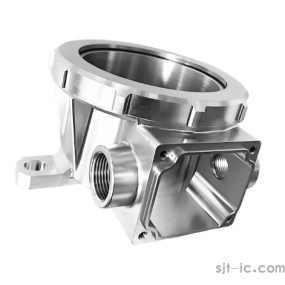
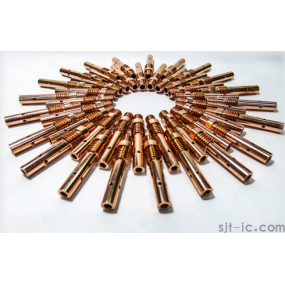
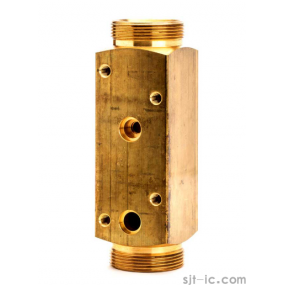
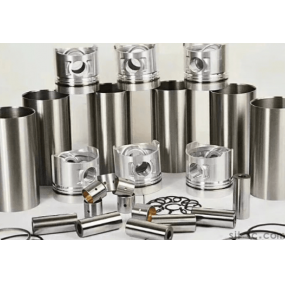
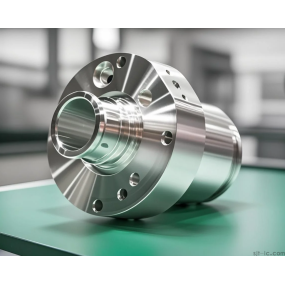
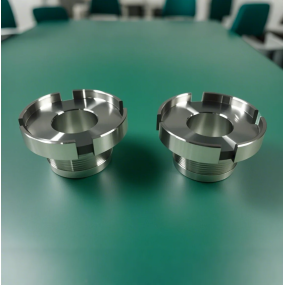
CNC Machining Products are widely used in modern manufacturing because they provide high precision, stable quality, and flexible production options. From automotive parts to aerospace components and electronic devices, CNC machining helps manufacturers create products with complex shapes and accurate dimensions.
Many buyers have questions before selecting CNC-machined products. They often worry about product quality, material selection, production cost, and whether a supplier can meet their exact requirements. Understanding the CNC machining process and knowing what to look for in a manufacturer can help you choose the right solution for your project.
Why CNC Machining Products Are Popular in Modern Manufacturing
CNC machining uses computer-controlled machines to remove material from a workpiece and create precise parts. Unlike traditional manual machining, CNC technology follows programmed instructions, which improves accuracy and repeatability.
One major advantage of CNC Machining Products is their ability to achieve tight tolerances. This is important for industries where even a small error can affect product performance. CNC machines can produce thousands of identical parts while maintaining consistent quality.
- High precision: CNC machines can create complex parts with very small dimensional differences.
- Repeatable production: The same design can be manufactured repeatedly with stable quality.
- Material flexibility: CNC machining works with metals, plastics, and advanced materials.
- Complex designs: Manufacturers can create detailed structures that are difficult to produce with traditional methods.
- Cost control: Efficient production reduces labor costs, especially for medium and large quantities.
Companies such as EMAR provide customized CNC machining solutions with advanced equipment and strict production management to help customers achieve reliable product quality for different applications.
Different Types of CNC Machining Products Across Industries
CNC machining is used in many industries because different materials, machining operations, and designs can be combined to meet specific needs. The following are common examples of CNC-machined products in major industries.
Automotive CNC-Machining Products
The automotive industry requires parts that can handle vibration, pressure, heat, and continuous operation. Automotive CNC-machining products are commonly used in engines, transmission systems, braking systems, and vehicle structures.
Common automotive CNC machining products include:
- Engine blocks
- Transmission components
- Brake parts
- Suspension components
- Drive shafts and other rotating parts
Aluminum is one of the most common materials used in automotive CNC machining because it is lightweight, corrosion-resistant, and easy to machine. Steel and stainless steel are also used when higher strength and wear resistance are required.
Typical CNC operations include milling for engine blocks and complex housings, turning for shafts and cylindrical parts, and drilling for accurate holes and connection points. These processes help achieve tight tolerances, ensuring better engine efficiency, safety, and overall vehicle performance.
Aerospace CNC-Machining Products
Aerospace manufacturing has extremely strict requirements for strength, reliability, and accuracy. Aerospace CNC-machining products must perform safely under high pressure, extreme temperatures, and demanding operating conditions.
Common aerospace CNC machining products include:
- Turbine blades
- Aircraft structural frames
- Landing gear parts
- Engine components
- Precision brackets and connectors
Titanium is widely used in aerospace applications because it offers excellent strength-to-weight ratio, corrosion resistance, and heat resistance. Aluminum alloys are also popular because they reduce aircraft weight while maintaining good mechanical performance.
CNC milling, 5-axis machining, turning, and precision grinding are common operations for aerospace parts. These processes allow manufacturers to create complex geometries while maintaining extremely accurate dimensions required for flight safety.
Electronics CNC-Machining Products
Electronic devices require parts with accurate dimensions, good heat management, and compact designs. Electronics CNC-machining products help manufacturers produce reliable components for computers, communication equipment, medical electronics, and consumer devices.
Common electronics CNC machining products include:
- Heat sinks
- PCB connectors
- Electronic enclosures
- Device frames
- Precision mounting components
Aluminum is widely used in electronics because it provides excellent thermal conductivity and is lightweight. Copper and engineering plastics may also be selected depending on electrical and thermal requirements.
CNC milling is often used to create complex enclosure shapes and heat sink structures. Drilling, tapping, and turning processes help produce accurate connection points and assembly features.
How to Choose the Right CNC Machining Products
Choosing CNC machining products requires careful consideration of your application, performance requirements, and budget. A low-cost option may not always provide the reliability needed for long-term use.
1. Understand Your Product Requirements
Before selecting CNC-machined parts, define important factors such as:
- Required material strength and durability
- Operating environment, including temperature and corrosion conditions
- Required dimensions and tolerances
- Production quantity
- Surface finish requirements
Clear requirements help manufacturers recommend suitable materials, machining methods, and inspection standards.
2. Check Manufacturer Experience and Reputation
A reliable CNC machining supplier should have experience producing similar products and understand industry requirements. Look for manufacturers with skilled engineers, advanced CNC equipment, and proven production capabilities.
For example, EMAR focuses on customized CNC machining services and supports customers with professional manufacturing solutions, from prototype development to mass production.
3. Balance Quality and Cost
Cost is an important factor, but choosing the cheapest supplier can lead to quality problems and additional expenses later. The best choice is a manufacturer that provides a good balance between price, performance, and reliability.
The cost of CNC Machining Products depends on several factors:
- Production volume: Large quantities usually reduce the cost per part.
- Material choice: Advanced materials such as titanium generally cost more than aluminum.
- Design complexity: Complex geometries require more machining time and specialized tools.
- Surface treatment: Additional finishing processes increase production costs.
Quality Control in CNC Machining Products
Quality control is one of the most important parts of CNC machining. Reliable manufacturers use multiple inspection steps to make sure products meet customer requirements.
Quality control in CNC-machining products usually includes the following processes:
In-Process Inspections
During machining, technicians check important dimensions and machining conditions. These inspections help identify problems early and prevent defective parts from continuing through production.
Final Product Testing
After machining is completed, manufacturers perform detailed tests, including:
- Dimensional testing: Checking measurements, tolerances, and geometric accuracy.
- Functional testing: Confirming that parts work correctly in their intended applications.
- Material integrity testing: Verifying material properties and detecting possible defects.
Following Industry Standards
Professional CNC manufacturers follow strict quality systems and industry standards to ensure consistent results. Certifications, inspection records, and quality management processes help customers feel confident about product reliability.
Benefits of Working with a Professional CNC Machining Manufacturer
A professional CNC machining partner can provide more than just finished parts. They can help improve product designs, select suitable materials, reduce manufacturing risks, and optimize production costs.
Experienced suppliers like EMAR offer CNC machining products with strong quality control, advanced machining capabilities, and customized manufacturing support. This helps customers develop reliable parts for different industries while improving production efficiency.
Conclusion
CNC Machining Products play an important role in modern manufacturing because they combine precision, flexibility, and repeatable quality. Whether you need automotive CNC-machining products, aerospace CNC-machining products, or electronics CNC-machining products, choosing the right manufacturing partner is essential.
By considering material requirements, machining processes, supplier experience, quality certifications, and total production costs, businesses can select CNC products that meet their performance goals. A trusted CNC machining manufacturer can help turn complex designs into high-quality, reliable products.