CNC Mechanical Parts Processing Factory: How to Choose a Reliable Manufacturing Partner
Choosing the right CNC Mechanical Parts Processing Factory is important for companies that need accurate, durable, and cost-effective mechanical components. A reliable factory does more than operate CNC machines. It provides engineering support, material solutions, quality inspection, and stable delivery to help customers complete their projects successfully.
Many buyers face common challenges when selecting a CNC Machining partner. They may not know what services a factory can provide, how to judge manufacturing abilities, how quality is controlled, or how materials and delivery schedules are managed. Understanding these key areas can help businesses make a better decision.
What Services Are Offered by CNC Mechanical Parts Processing Factories?
The services offered by CNC mechanical parts processing factories usually cover the complete production process, from design review to finished part delivery. A professional factory should be able to support different project stages and provide customized solutions based on customer requirements.
Common services include:
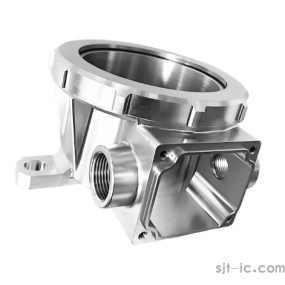
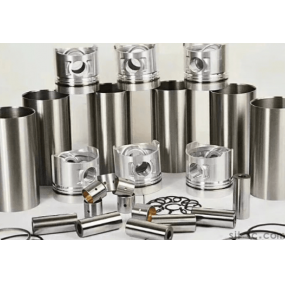
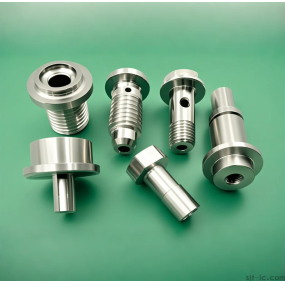
- CNC milling and turning: Producing precise mechanical parts with complex shapes and tight tolerances.
- Custom part manufacturing: Creating components based on customer drawings, 3D models, or technical specifications.
- Prototype machining: Helping customers test designs before moving into mass production.
- Surface treatment: Providing finishing options such as polishing, coating, anodizing, and other treatments to improve part performance.
- Assembly and inspection services: Supporting customers who need complete mechanical solutions instead of individual parts.
A capable CNC mechanical parts processing factory should also provide engineering communication. This helps identify possible design problems early and reduces production delays or unnecessary costs.
Understanding the Capabilities of a Top-Notch CNC Mechanical Parts Processing Factory
The capabilities of a top-notch CNC mechanical parts processing factory determine whether it can handle different industries and complex manufacturing needs. Before choosing a supplier, customers should review equipment, technical experience, production capacity, and engineering support.
Important capabilities include:
- Modern CNC machining centers for high-precision manufacturing.
- Experience processing different metals and engineering materials.
- Ability to handle both small-batch prototypes and large-volume production.
- Skilled technicians who understand machining processes and tolerance requirements.
- Advanced software for programming, design analysis, and production planning.
EMAR focuses on improving machining efficiency and accuracy through advanced CNC equipment and experienced technical teams. Its manufacturing process is designed to meet the needs of customers requiring reliable mechanical parts with consistent performance.
Why Quality Control Matters in CNC Mechanical Parts Processing
Good machining results depend not only on advanced machines but also on strict inspection procedures. Quality control in CNC mechanical parts processing factories ensures that every component meets required dimensions, strength standards, and performance expectations.
A professional factory should have a complete quality management system that includes:
- Checking raw materials before production begins.
- Monitoring machining processes to prevent errors.
- Using precision measuring tools to verify part dimensions.
- Performing final inspections before shipment.
- Keeping production records for quality tracking.
EMAR applies strict quality control methods throughout the CNC machining process. By combining skilled operators, inspection equipment, and process management, the company helps customers receive parts that match their technical requirements.
Material Handling in CNC Mechanical Parts Processing
Proper material handling in CNC mechanical parts processing directly affects product quality and production efficiency. Different materials require different machining methods, cutting tools, and processing conditions.
CNC mechanical parts processing factories commonly work with materials such as:
- Aluminum for lightweight and corrosion-resistant components.
- Stainless steel for strong and durable mechanical parts.
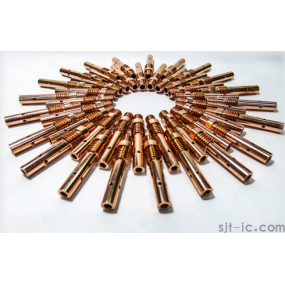
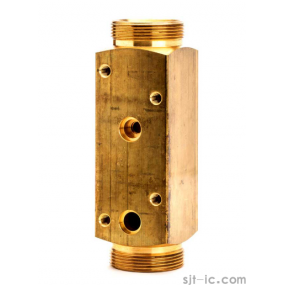
- Brass and copper for applications requiring good electrical or thermal performance.
- Engineering plastics for special lightweight or insulation requirements.
A reliable factory should carefully check material specifications, store materials correctly, and select suitable machining parameters. Poor material management can lead to production problems, higher costs, and inconsistent part quality.
With experience in different material applications, EMAR provides professional machining solutions based on the properties and requirements of each material.
Delivery Aspects of CNC Mechanical Parts Processing Factories
The delivery aspects of CNC mechanical parts processing factories are another important factor when selecting a supplier. Late deliveries can affect assembly schedules, product launches, and overall business operations.
A dependable factory should focus on:
- Accurate production planning and scheduling.
- Clear communication about order progress.
- Efficient manufacturing workflows.
- Reliable packaging and transportation arrangements.
- On-time delivery according to customer agreements.
EMAR understands that delivery reliability is as important as machining quality. Through organized production management and strict process control, EMAR works to provide stable delivery times for customers in different industries.
How to Select the Right CNC Mechanical Parts Processing Factory
When comparing different suppliers, customers should consider more than price. A low-cost factory may create problems if it cannot maintain quality, handle materials properly, or deliver products on time.
Key questions to ask include:
- Does the factory have the right CNC equipment for your parts?
- Can it support your material and tolerance requirements?
- What inspection methods are used during production?
- Does the factory have experience with similar projects?
- Can it provide stable delivery and clear communication?
A strong CNC partner should provide a balance of technology, quality, service, and cost control. Working with an experienced manufacturer like EMAR can help companies reduce production risks and achieve better machining results.
Conclusion
A professional CNC Mechanical Parts Processing Factory should offer complete machining services, advanced manufacturing capabilities, strict quality control, proper material handling, and reliable delivery. These factors directly influence the quality, cost, and success of mechanical part projects.
By choosing a factory with modern equipment, experienced engineers, and a strong quality management system, businesses can build a long-term manufacturing partnership and achieve consistent results for their CNC mechanical parts.