CNC Brass Machining Process: A Complete Guide from Material Selection to Quality Control
The CNC Brass Machining Process is widely used in industries that need accurate, durable, and corrosion-resistant metal parts. Brass is a popular choice for components used in electronics, automotive systems, plumbing equipment, medical devices, and industrial machines because it is easy to machine and offers excellent performance.
However, many buyers and engineers have questions before starting a brass machining project. They want to know how the process works, what tools are needed, how brass properties affect machining results, and how manufacturers ensure part quality. Understanding these key points helps companies reduce production risks, control costs, and achieve better final products.
What Is the CNC Brass Machining Process?
The CNC Brass Machining Process uses computer-controlled machines to cut, drill, mill, or turn brass materials into precise components based on digital design files. CNC technology allows manufacturers to produce complex shapes with high accuracy and repeatability.
Compared with traditional machining methods, CNC Machining provides better control over dimensions, surface finish, and production efficiency. It is especially useful for custom brass parts that require tight tolerances and consistent quality.
Initial Steps in CNC Brass Machining
The initial steps in CNC brass machining are important because they determine the efficiency and quality of the entire production process. A professional machining workflow usually includes the following stages:
Design Review and Technical Analysis: Engineers check the CAD drawings, material requirements, tolerances, and production goals. They identify possible machining difficulties and suggest improvements when needed.
Material Preparation: The correct brass grade is selected according to the application. The raw brass material is inspected to ensure it meets project requirements before machining begins.
CNC Programming: Technicians create machining programs that control tool movement, cutting speed, feed rate, and machining sequence.
Machine Setup: The brass workpiece is fixed securely, and suitable cutting tools are installed. Proper setup helps prevent vibration and improves machining accuracy.
Machining Operation: CNC machines perform turning, milling, drilling, threading, or other operations to create the final part shape.
How Brass Material Properties Influence Machining
Understanding brass material properties in machining is essential for achieving good results. Brass has several characteristics that make it suitable for CNC manufacturing, but these properties also require proper machining strategies.
- Excellent machinability: Brass is easier to cut compared with many other metals. It produces clean chips and allows faster machining speeds.
- Good electrical conductivity: This makes brass suitable for electrical connectors and precision electronic components.
- Corrosion resistance: Brass parts can maintain performance in environments exposed to moisture and chemicals.
- Different hardness levels: Various brass alloys have different hardness and strength levels, which influence tool selection and cutting parameters.
- Good surface finish capability: Proper machining methods can achieve smooth and attractive surfaces without excessive finishing work.
Choosing the correct brass alloy is a key factor in the success of a project. Experienced CNC manufacturers evaluate the application requirements before recommending the most suitable material option.
Tooling for CNC Brass Machining
The right tooling for CNC brass machining directly affects machining speed, surface quality, and production cost. Although brass is considered easy to machine, incorrect tooling can still cause problems such as poor finishes, tool wear, or inaccurate dimensions.
Common tooling considerations include:
- Cutting tool materials: Carbide tools are commonly used because they provide long tool life and stable cutting performance.
- Sharp cutting edges: Sharp tools help create clean cuts and reduce unnecessary pressure on the brass material.
- Proper cutting parameters: CNC technicians must adjust spindle speed, feed rate, and cutting depth based on brass grade and part design.
- Coolant and lubrication: Proper cooling methods help control temperature and improve tool performance during long machining operations.
A skilled machining team understands that every brass component has different requirements. Tool selection should be based on part complexity, production volume, tolerance needs, and surface finish expectations.
Main CNC Brass Machining Operations
The CNC Brass Machining Process may include several different operations depending on the design of the part.
CNC Turning
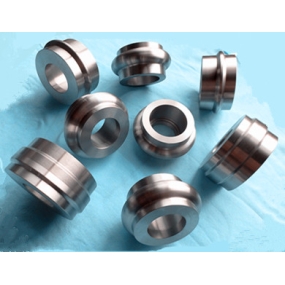
CNC turning is used to manufacture round brass components such as shafts, bushings, connectors, and fittings. The workpiece rotates while cutting tools remove material to create the required shape.
CNC Milling
CNC milling uses rotating cutting tools to create slots, holes, flat surfaces, and complex shapes. It is commonly used for customized brass parts with detailed designs.
Drilling and Threading
Drilling creates precise holes, while threading produces internal or external screw patterns. These operations require accurate programming to ensure proper assembly performance.
Quality Checks in CNC Brass Machining
Strong quality checks in CNC brass machining help ensure that every finished component meets customer expectations. Quality control should be performed throughout the production process, not only after machining is complete.
- Material inspection: Verify that the brass alloy matches the required specification.
- Dimensional inspection: Use measuring tools such as calipers, micrometers, and coordinate measuring machines (CMM) to check part accuracy.
- Surface inspection: Examine surface finish, scratches, burrs, and other visible defects.
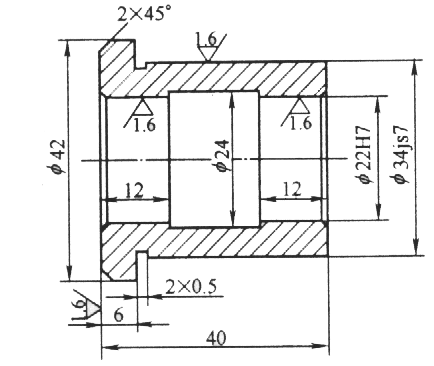
- Tolerance verification: Confirm that critical dimensions meet engineering drawings.
- Final performance testing: Check whether the finished parts can meet real application requirements.
Manufacturers with professional inspection systems can reduce defects and provide more reliable CNC brass parts. EMAR focuses on precision manufacturing control and applies professional machining experience to support customers with demanding brass component requirements.
Common Challenges in CNC Brass Machining and Solutions
Although brass is easy to machine, some challenges can still affect production efficiency and part quality.
Problem: Incorrect cutting settings.
Solution: Optimize spindle speed, feed rate, and cutting depth based on brass type and tool condition.Problem: Poor surface finish.
Solution: Use suitable cutting tools, maintain sharp edges, and improve machining parameters.Problem: Material waste and high costs.
Solution: Improve programming, select efficient machining methods, and reduce unnecessary operations.Problem: Inconsistent part quality.
Solution: Use stable CNC equipment, proper inspection procedures, and experienced operators.
Optimization of CNC Brass Machining Process
The optimization of CNC brass machining process focuses on improving productivity while maintaining accuracy and quality. Manufacturers can improve results through several methods:
- Improve CNC programming: Efficient tool paths reduce machining time and unnecessary movements.
- Select suitable tools: High-quality tools improve cutting performance and reduce replacement frequency.
- Control machining parameters: Balanced cutting conditions help achieve better finishes and longer tool life.
- Use advanced inspection methods: Early quality checks prevent large numbers of defective parts.
- Work with experienced manufacturers: Professional machining partners can provide technical advice and production solutions.
EMAR combines CNC machining experience, precision equipment, and strict quality management to help customers optimize brass part production. From prototype development to batch manufacturing, professional process control helps achieve reliable results while keeping production costs under control.
Why Choose an Experienced CNC Brass Machining Partner?
Selecting the right CNC machining supplier is an important decision for businesses that need brass components. A reliable partner should have:
- Advanced CNC machining equipment
- Experienced engineering and production teams
- Strong quality inspection capabilities
- Flexible customization services
- Ability to support different production volumes
A capable manufacturer can help customers avoid common machining problems, improve product performance, and shorten development time. EMAR provides professional CNC brass machining solutions with attention to precision, consistency, and customer requirements.
Conclusion
The CNC Brass Machining Process involves careful planning, material selection, tooling preparation, accurate machining, and strict quality control. Understanding each stage helps companies make better decisions when developing brass components.
By considering brass material properties, selecting proper tooling, applying effective inspection methods, and continuously improving production processes, manufacturers can achieve high-quality brass parts with better efficiency and cost control. Working with an experienced CNC machining provider like EMAR can provide additional support for projects that require precision, reliability, and customized manufacturing solutions.