CNC Metal Machining: Process, Materials, Tooling, Quality Control, and Cost Considerations
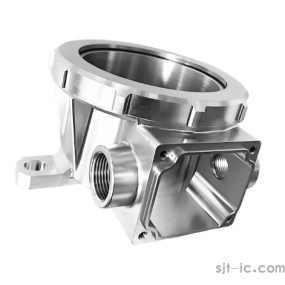
CNC Metal Machining is a modern manufacturing process used to produce accurate metal parts for industries such as automotive, aerospace, medical equipment, electronics, and industrial machinery. Many companies choose CNC Machining because it can create complex shapes with high precision and repeatable quality.
However, choosing the right CNC machining service can be challenging. Customers often need to understand the machining process, select suitable metals, evaluate equipment capabilities, control quality, and manage production costs. This guide explains the key points of CNC metal machining in simple terms to help you make better manufacturing decisions.
What Is CNC Metal Machining?
CNC metal machining uses computer-controlled machines to remove material from a metal workpiece and create a designed part. CNC stands for Computer Numerical Control, which means the machine follows digital instructions created from a CAD drawing or 3D model.
Compared with traditional manual machining, CNC machining offers better accuracy, faster production, and stable results. It is suitable for both small prototype orders and large production runs.
A professional CNC machining supplier, such as EMAR, combines advanced CNC equipment, experienced engineers, and strict production management to provide customized metal machining solutions for different industries.
What Are the Main Steps in CNC Metal Machining?
Understanding the steps in CNC metal machining helps customers know how a design becomes a finished metal component. Although processes may vary depending on part requirements, the general workflow includes the following stages:
Design and Engineering Review: Engineers check the CAD drawings, dimensions, tolerances, and material requirements. They may suggest design improvements to reduce machining difficulty and production costs.
CNC Programming: The digital design is converted into machine instructions. CNC programmers set cutting paths, speeds, feeds, and machining operations.
Material Preparation: The selected metal material is cut into suitable sizes and fixed securely on the CNC machine.
Machining Operations: CNC machines perform cutting, drilling, milling, turning, threading, or other processes to shape the part.
Surface Treatment and Finishing: Depending on customer needs, parts may receive polishing, coating, anodizing, heat treatment, or other finishing processes.
Inspection and Delivery: Finished parts are measured and tested before packaging and shipment.
A reliable CNC machining factory manages every step carefully to reduce errors, shorten delivery time, and ensure consistent part quality.
Which Metals Are Suitable for CNC Metal Machining?
Choosing the correct material is important because different metals have different strengths, hardness levels, corrosion resistance, and machining performance. The most common suitable metals for CNC metal machining include:
Aluminum: Lightweight, corrosion-resistant, and easy to machine. It is widely used for aerospace parts, electronic housings, and industrial components.
Stainless Steel: Offers excellent strength and corrosion resistance. It is often used for medical equipment, food machinery, and demanding industrial applications.
Carbon Steel: Provides good strength at a reasonable cost, making it suitable for mechanical parts and structural components.
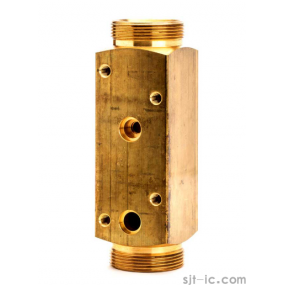
Brass: Easy to machine and has good electrical conductivity. It is commonly used for precision fittings, connectors, and decorative parts.
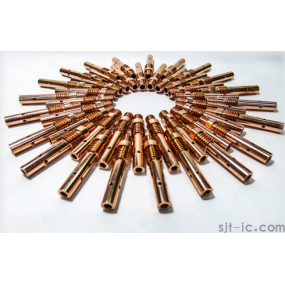
Copper: Known for excellent electrical and thermal conductivity. It is used in electrical components and heat-related applications.
Titanium: Strong, lightweight, and highly corrosion-resistant. It is suitable for aerospace and high-performance applications but requires careful machining control.
The best material choice depends on the part's function, operating environment, required strength, surface requirements, and production budget. Experienced manufacturers like EMAR can help customers select materials that balance performance and cost.
What Tooling and Equipment Are Used in CNC Metal Machining?
The quality and efficiency of machining depend greatly on the machine tools and cutting tools used. Proper tooling for CNC metal machining helps improve accuracy, reduce production time, and extend tool life.
Common CNC Machines
CNC Milling Machines: Used for cutting complex shapes, slots, holes, and surfaces. Multi-axis milling machines can produce highly detailed parts.
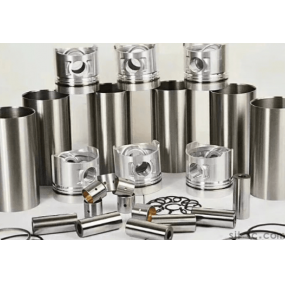
CNC Turning Machines: Used mainly for round or cylindrical parts such as shafts, pins, and bushings.
CNC Machining Centers: Combine multiple machining operations in one setup, improving efficiency and accuracy.
Common Cutting Tools
- End mills for cutting flat surfaces and complex profiles.
- Drills for creating accurate holes.
- Reamers for improving hole precision.
- Taps for creating internal threads.
- Carbide tools for machining hard metals at high speeds.
Professional CNC suppliers carefully select tools based on material type, part design, tolerance requirements, and production volume. This approach helps avoid unnecessary tool wear and machining problems.
How Is Quality Control Managed in CNC Metal Machining?
Quality control is one of the most important concerns when ordering precision metal parts. Strong quality control in CNC metal machining ensures that finished components meet customer drawings and performance requirements.
Common quality control methods include:
Incoming Material Inspection: Checking raw materials to confirm grade, size, and quality before machining.
First Article Inspection: Testing the first completed part to confirm that the machining process meets specifications.
Dimensional Inspection: Using measuring tools such as calipers, micrometers, and coordinate measuring machines (CMM) to verify accuracy.
Surface Quality Checks: Inspecting surface finish and appearance requirements.
Final Inspection: Performing complete checks before shipment to ensure parts match customer expectations.
EMAR focuses on process control and inspection throughout production to help customers receive reliable CNC metal parts with stable quality.
What Factors Affect CNC Metal Machining Costs?
Many customers want high-quality parts while keeping manufacturing costs under control. Understanding the main cost factors in CNC metal machining helps businesses make smarter choices.
Material Selection: Different metals have different prices and machining difficulties. Expensive materials or hard metals usually increase costs.
Part Complexity: Complex designs require more programming time, special tools, and longer machining cycles.
Tolerance Requirements: Extremely tight tolerances need more precise equipment and additional inspection steps.
Production Quantity: Larger production volumes often reduce the average cost because setup expenses are distributed across more parts.
Surface Finishing: Additional treatments such as coating, polishing, or heat treatment can affect the final price.
To reduce costs, customers can optimize part designs, select suitable materials, avoid unnecessary tight tolerances, and work with an experienced CNC machining partner.
Why Choose an Experienced CNC Metal Machining Partner?
A professional CNC machining supplier provides more than machine operation. The right partner offers engineering support, material advice, production planning, quality assurance, and reliable delivery.
EMAR provides CNC metal machining services with experience in precision manufacturing, customized parts production, and quality management. By combining skilled engineers, advanced machining equipment, and strict inspection processes, EMAR helps customers produce metal components that meet demanding industrial requirements.
Whether you need prototypes, small batches, or large-scale production, selecting a capable CNC metal machining company can improve product quality, reduce risks, and support long-term manufacturing success.
Conclusion
CNC Metal Machining is an effective solution for producing accurate and durable metal parts. Understanding the machining steps, material options, tooling requirements, quality control methods, and cost factors allows customers to make better manufacturing decisions.
Working with an experienced supplier like EMAR can simplify the process by providing professional guidance from design review to final delivery. With the right machining partner, businesses can achieve reliable quality, competitive costs, and efficient production.