CNC Precision Chassis Sheet Metal Processing Customization: A Complete Guide for Reliable Manufacturing
CNC precision chassis sheet metal processing customization is widely used in industrial equipment, communication devices, automation systems, medical equipment, and electronic products. Many companies need customized chassis parts with accurate dimensions, strong structures, and professional surface finishes. However, choosing the right manufacturing method and supplier can be challenging due to issues such as unstable quality, high production costs, long delivery times, and difficulty matching complex designs.
A professional CNC processing partner can help solve these problems by combining advanced equipment, experienced engineers, and strict quality management. This article explains the key points of CNC precision chassis sheet metal processing customization, including process steps, cost factors, quality control methods, and how to select a reliable supplier.
Why Choose CNC Precision Chassis Sheet Metal Processing Customization?
Traditional sheet metal processing methods may not always meet the requirements of modern products. Many industries require chassis parts with tight tolerances, complex structures, and consistent performance. CNC technology provides higher accuracy and better production control compared with manual processing methods.
The main benefits of CNC precision chassis sheet metal processing customization include:
- High dimensional accuracy: CNC machines can produce chassis components according to detailed drawings with stable tolerances.
- Flexible customization: Different sizes, shapes, materials, and structures can be manufactured based on customer requirements.
- Better production consistency: CNC programs ensure repeated production quality for small batches and large orders.
- Reduced assembly problems: Accurate processing helps improve fitting performance and reduces later modification costs.
- Improved product appearance: Professional cutting, bending, welding, and finishing processes create a cleaner final product.
For businesses developing new products or upgrading existing designs, customized CNC chassis processing can reduce development risks and improve market competitiveness.
Key Steps in CNC Precision Chassis Sheet Metal Processing Customization
Understanding the production process helps customers make better decisions and avoid common manufacturing problems. The key steps in CNC precision chassis sheet metal processing customization usually include the following:
- Design review and engineering analysis:Engineers check customer drawings, 3D models, material requirements, and production feasibility. Possible design problems are identified before manufacturing begins.
- Material selection:Common materials include stainless steel, aluminum, carbon steel, and galvanized sheet metal. The right material depends on strength, corrosion resistance, weight, and application requirements.
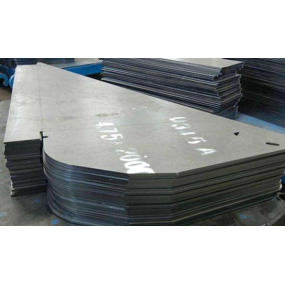
- CNC cutting and forming:Laser cutting, CNC punching, and CNC bending equipment are used to create accurate shapes and structures.
- Welding and assembly:Different chassis components are joined together using suitable welding methods to achieve structural strength and reliability.
- Surface treatment and finishing:Processes such as powder coating, anodizing, polishing, and plating improve appearance and durability.
- Inspection and delivery:Finished products are checked according to customer specifications before packaging and shipment.
Factors Affecting the Cost of CNC Precision Chassis Sheet Metal Processing Customization
Many customers are concerned about why customized sheet metal chassis quotes vary between suppliers. The factors affecting the cost of CNC precision chassis sheet metal processing customization include several important aspects:
- Material type and thickness:Premium materials or thicker sheets usually increase raw material costs and processing difficulty.
- Design complexity:Chassis parts with complicated structures, multiple bends, or precise holes require more machining time and engineering work.
- Production quantity:Small-batch production may have higher unit costs because setup and programming expenses are distributed across fewer parts.
- Surface finishing requirements:Special coatings, polishing, or protective treatments can affect the final quotation.
- Quality inspection requirements:Projects requiring strict testing and documentation may require additional production resources.
A clear design file and early communication with the manufacturer can help control costs while maintaining product quality.
Quality Control in CNC Precision Chassis Sheet Metal Processing Customization
Quality problems can cause serious losses, especially when chassis components are used in precision equipment. Effective quality control in CNC precision chassis sheet metal processing customization ensures that every part meets performance and appearance requirements.
A reliable manufacturer should have a complete inspection system, including:
- Incoming material inspection to verify specifications and quality.
- Dimensional inspection using professional measuring tools.
- Welding quality checks to ensure strong and stable structures.
- Surface finish inspection to confirm appearance and protection performance.
- Final assembly inspection before shipment.
EMAR focuses on strict manufacturing management during CNC processing projects. With experienced engineers and professional production equipment, EMAR helps customers achieve stable quality for customized chassis sheet metal products while improving production efficiency.
Common Challenges in CNC Precision Chassis Sheet Metal Processing
Customers often face several practical problems during customized chassis production:
- Unclear technical communication:Small differences in drawings or requirements may lead to incorrect parts. Professional engineering communication is essential before production.
- Difficulty controlling precision:Complex chassis structures require accurate machining and careful process planning.
- Unexpected cost increases:Poor design optimization or unsuitable materials can increase manufacturing expenses.
- Delayed delivery:Weak production management may affect project schedules and product launches.
Working with an experienced CNC processing company can reduce these risks through professional design support, production planning, and quality monitoring.
How to Choose a Provider for CNC Precision Chassis Sheet Metal Processing Customization
Selecting the right supplier is one of the most important decisions for a successful customization project. When considering how to choose a provider for CNC precision chassis sheet metal processing customization, customers should evaluate the following points:
- Manufacturing capability:Check whether the supplier has suitable CNC equipment, sheet metal processing technology, and production capacity.
- Engineering experience:A strong technical team can provide suggestions to improve designs and reduce manufacturing difficulties.
- Quality management system:Reliable suppliers should have clear inspection procedures and quality standards.
- Customization experience:Previous experience with similar chassis projects indicates better problem-solving ability.
- Communication and service:Fast response and professional support help avoid misunderstandings during production.
EMAR provides CNC processing solutions for customers requiring customized precision sheet metal chassis. From design evaluation and material selection to machining and quality inspection, EMAR supports projects with a practical manufacturing approach and attention to detail.
Conclusion
CNC precision chassis sheet metal processing customization provides an effective solution for industries that need accurate, durable, and application-specific chassis components. By understanding the production steps, cost factors, and quality requirements, customers can make better manufacturing decisions.
Choosing a reliable CNC processing partner is essential for achieving consistent results. A manufacturer with advanced equipment, engineering expertise, and strict quality control can help transform product designs into high-quality finished chassis components while reducing production risks.