What Should Be Paid Attention to During the Processing of Automotive Parts?
Automotive parts processing is a highly demanding manufacturing process because the quality of each component directly affects vehicle safety, performance, and service life. From engine components and transmission parts to suspension systems and structural parts, every detail matters. A small processing error can lead to poor performance, faster wear, or even safety risks.
So, what should be paid attention to during the processing of automotive parts? Manufacturers need to focus on quality control, material selection, processing methods, safety management, and precision requirements. Understanding these key factors helps ensure that automotive parts meet strict industry standards and perform reliably in real driving conditions.
Companies with professional experience, such as EMAR, understand the complex requirements of automotive manufacturing. By applying advanced equipment, strict inspection systems, and optimized production processes, EMAR helps customers produce automotive parts with stable quality and high reliability.
Quality Control in Automotive Parts Processing
Quality control in automotive parts processing is one of the most important factors that determines whether a part can work safely and effectively. Automotive parts usually need to operate under high pressure, high temperature, and continuous movement, so even a small defect can create serious problems.
Tight Tolerances
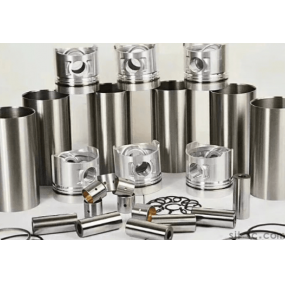
Automotive parts often require very strict dimensional accuracy. For example, when producing engine pistons, the piston diameter must stay within a very small tolerance range. A typical tolerance requirement may be around ±0.05mm.
If the piston diameter is too large, it may create excessive friction between the piston and cylinder wall. This can increase heat, reduce efficiency, and eventually damage the engine. If the diameter is too small, gas leakage may occur, causing reduced engine power and poor fuel efficiency.
Maintaining tight tolerances ensures that different automotive components fit together correctly and operate smoothly. Precision measurement tools, automated inspection equipment, and skilled operators are necessary to achieve these requirements.
Material and Process Traceability
Another important part of quality control is tracking materials and processing steps. Traceability means manufacturers can identify where a material came from and understand every production step it experienced.
For example, if a batch of steel used for vehicle suspension parts shows unusual strength problems, a complete traceability system allows engineers to check whether the issue came from the steel supplier or from a heat treatment process during manufacturing.
This helps manufacturers quickly find the root cause, reduce production risks, and improve future processes. Reliable traceability is especially important in the automotive industry because safety standards are extremely high.
Material Selection for Automotive Parts
Material selection for automotive parts directly affects strength, durability, weight, and overall vehicle performance. Choosing the wrong material can reduce part life and increase maintenance costs.
Strength and Durability
Automotive components must withstand different forces during operation, including vibration, impact, pressure, and temperature changes. Therefore, manufacturers need materials with excellent strength and durability.
For example, high-strength steel is commonly used in vehicle frames because it can handle large impacts and protect passengers during collisions. Similarly, wear-resistant materials are selected for engine and transmission components because these parts experience constant friction.
The correct material choice helps automotive parts maintain stable performance throughout the vehicle's lifespan.
Weight-to-Strength Ratio
Modern vehicles need to balance strength and weight. Reducing vehicle weight can improve fuel efficiency and electric vehicle driving range, but the parts must still remain strong enough for safe operation.
For example, aluminum is often used in components such as engine blocks because it provides good strength while being lighter than traditional steel materials. This reduces the overall vehicle weight without greatly affecting performance.
Optimizing the weight-to-strength ratio is an important goal in modern automotive parts manufacturing.
Processing Techniques for Automotive Parts
Processing techniques for automotive parts determine the accuracy, surface quality, and mechanical performance of finished components. Selecting the right manufacturing method is essential for achieving stable production results.
Precision Machining
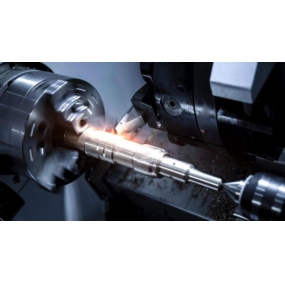
Precision machining is widely used in automotive manufacturing because many parts require extremely accurate dimensions. CNC Machining is a common method that uses computer-controlled equipment to produce complex components with high accuracy.
For example, transmission gears require accurately shaped teeth to ensure smooth power transmission. CNC machining can create gear profiles with very high precision, sometimes reaching accuracy levels of around ±0.01mm depending on the equipment and application.
Precision machining improves assembly accuracy, reduces vibration, and helps automotive systems operate more efficiently.
Heat Treatment
Heat treatment is another important process used to improve the performance of automotive parts. This process changes the internal structure of materials through controlled heating and cooling.
For example, crankshafts need high strength and fatigue resistance because they experience repeated loads while the engine is running. Proper heat treatment can increase hardness and improve the crankshaft's service life.
Using suitable heat treatment methods helps automotive parts achieve better mechanical properties and longer operating performance.
Safety in Automotive Parts Processing
Safety in automotive parts processing includes both worker safety and product safety. A safe production environment protects employees and ensures that the final automotive components meet reliability requirements.
Worker Safety
Automotive parts factories often use large machines, cutting tools, and heavy materials. Without proper safety management, workers may face risks such as machine injuries, sharp edges, or heavy object accidents.
Manufacturers should install safety guards on machines, provide personal protective equipment (PPE), and train employees on correct operating procedures. Safety glasses, gloves, helmets, and protective clothing can reduce workplace risks.
A safe working environment also improves production efficiency because employees can operate equipment with greater confidence.
Product Safety
The safety of automotive parts is directly connected to vehicle users. A defective component, such as a cracked brake part or a weak suspension component, may create serious dangers.
To prevent these problems, manufacturers use strict inspection methods, including non-destructive testing (NDT). For example, ultrasonic testing can detect internal cracks or defects that cannot be seen from the surface.
Strong product safety management ensures that automotive parts can perform reliably under real driving conditions.
Precision Requirements in Automotive Parts Processing
Precision requirements in automotive parts processing are essential because automotive systems contain many components that must work together perfectly.
Assembly Compatibility
Automotive parts must be manufactured accurately so they can be assembled without problems. For example, the mounting holes on a cylinder head must align correctly with the studs on the engine block.
If the holes are not positioned accurately, bolts may not tighten correctly, causing poor sealing or engine leakage. Precise manufacturing ensures faster assembly and better vehicle reliability.
Functional Precision
Some automotive parts require accuracy not only in size but also in function. For example, an engine camshaft controls the opening and closing of engine valves. The shape and position of the camshaft lobes must be highly accurate.
Small changes in the camshaft design can affect engine power, fuel consumption, and emissions. Therefore, functional precision is critical for achieving excellent vehicle performance.
How EMAR Supports High-Standard Automotive Parts Processing
Meeting automotive industry requirements requires advanced technology, strict quality management, and professional manufacturing experience. EMAR focuses on automotive parts processing and understands the high standards required by modern vehicle manufacturers.
Through advanced machining equipment, careful material management, and comprehensive inspection systems, EMAR can support the production of high-quality automotive components. For example, when manufacturing precision engine parts, EMAR pays close attention to dimensional accuracy, material performance, heat treatment results, and final inspection.
This professional approach helps customers receive automotive parts that meet demanding requirements for safety, durability, and performance.
Continuous Improvement in Automotive Processing
The automotive industry continues to develop, with new technologies and higher quality expectations appearing every year. Continuous improvement is necessary to remain competitive.
EMAR continues to improve its automotive parts processing capabilities by following industry trends, upgrading manufacturing methods, and optimizing production processes. The adoption of improved precision machining technologies and better quality control methods helps ensure stable and reliable part performance.
For automotive manufacturers looking for dependable production partners, choosing an experienced supplier with strong process control can reduce risks and improve product quality.
Conclusion
So, what should be paid attention to during the processing of automotive parts? The key points include strict quality control, suitable material selection, advanced processing techniques, workplace and product safety, and high precision standards.
Every automotive part plays an important role in vehicle performance and safety. By focusing on these essential factors and working with experienced manufacturers like EMAR, companies can produce reliable automotive components that meet the demanding expectations of the modern automotive industry.