Playing with Auto Parts: Explore, Learn, and Create with Automotive Components
When people hear the phrase Playing with Auto Parts, they may imagine someone simply handling old car pieces for fun. However, it means much more than that. It includes exploring how auto parts work, taking them apart and rebuilding them, improving their performance, or using them in creative projects.
For car enthusiasts, students, mechanics, and hobby creators, auto parts can become tools for learning and innovation. From understanding a small engine component to creating unique furniture from recycled car parts, these activities provide practical knowledge and enjoyable experiences.
What Does "Playing with Auto Parts" Mean?
Playing with auto parts refers to hands-on activities involving automotive components. These activities may include examining old parts, repairing components, modifying systems, or creating new items from used parts.
For example, an automotive hobbyist may take apart an old engine component to understand its internal structure. Another person may use a discarded car wheel to create a modern-style coffee table. Both activities involve exploring the value and possibilities of auto parts.
A simple way to understand it is to compare it with building blocks. A child learns by taking blocks apart and putting them together. Similarly, working with auto parts allows people to discover how mechanical systems are designed and how different components work together.
However, auto parts are more complex than toys. They involve engineering ideas, material knowledge, and practical skills, making them valuable learning tools.
Popular Activities with Auto Parts
Disassembly and Assembly of Auto Parts
One of the most common activities with auto parts is taking components apart and rebuilding them. This process helps people understand the structure and function of automotive systems.
For example, an auto enthusiast may start with an old carburetor. By carefully removing each section, they can learn about important internal parts such as the throttle valve, float, and jets. After studying these components, they can try putting the carburetor back together.
This process is similar to solving a three-dimensional puzzle. Each part has a specific position and purpose. If one component is installed incorrectly, the whole system may not work properly.
- Improves mechanical skills: People learn how tools are used and how parts connect.
- Builds problem-solving ability: Finding the cause of a mechanical issue requires logical thinking.
- Supports future repairs: Basic knowledge can help with simple maintenance tasks.
Auto Part Modification Projects
Another popular way of Playing with Auto Parts is modifying components to improve vehicle performance, appearance, or function.
For example, some car owners modify an air intake system by adding a high-flow air filter or changing intake tubing. These adjustments can improve airflow and may help the engine operate more efficiently.
Another example is an exhaust modification project. A car enthusiast may replace a standard muffler with a performance muffler. This can create a different exhaust sound and improve exhaust flow.
- Customization based on personal preferences
- Improved vehicle appearance
- Better understanding of vehicle performance systems
When modifying auto parts, safety and compatibility are important. A successful modification should match the vehicle design and follow proper engineering principles.
Learning from Auto Parts
Understanding Engineering Principles
Auto parts provide a practical way of learning from auto parts. Instead of only reading about mechanical concepts, people can see and touch real examples.
For example, a vehicle suspension system demonstrates ideas such as shock absorption, leverage, and weight distribution. Coil springs help absorb impacts from uneven roads, while control arms use mechanical movement to control wheel position.
By studying these components, learners can better understand how engineers solve real-world problems.
This knowledge is useful for:
- Mechanical engineering students
- Automotive technology learners
- DIY repair enthusiasts
- People interested in product design
Learning About Materials Used in Auto Parts
Auto parts are made from different materials because each material has special advantages.
For example, engine blocks are commonly made from cast iron or aluminum. Cast iron provides high strength and can handle extreme temperatures. Aluminum is lighter and offers good heat transfer performance.
By examining different parts, people can learn why manufacturers choose specific materials for specific applications.
Understanding materials helps when selecting replacement parts or planning modifications. It provides knowledge about durability, weight, cost, and performance.
Creative Uses of Auto Parts
Home Decor Projects Using Auto Components
Many people explore creative uses of auto parts by turning old components into useful or decorative items.
For example, an old car wheel can become a stylish coffee table. After cleaning, polishing, and painting the wheel, a glass surface can be added to create a unique piece of furniture.
Other examples include:
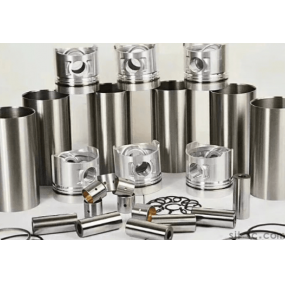
- Using polished pistons as decorative sculptures
- Turning engine parts into industrial-style decorations
- Creating shelves from old automotive components
One creative homeowner transformed an old radiator into a bookshelf. After removing unnecessary sections, cleaning the surface, and adding wooden shelves, the radiator became a unique living room feature.
These projects reduce waste and give old auto parts a second purpose.
Artistic Creations with Auto Parts
Artists also use auto parts as creative materials. Gears, pipes, bolts, and metal pieces can be combined to create large sculptures or modern artworks.
The different shapes, textures, and mechanical details of auto parts provide artists with new ways to express ideas.
These creations often have an industrial style and show how everyday mechanical objects can become valuable artistic materials.
Benefits of Auto Part Play
The benefits of auto part play go beyond entertainment. Working with automotive components can improve knowledge, creativity, and practical abilities.
- Develops technical understanding: People gain direct experience with mechanical systems.
- Encourages creativity: Old parts can become new designs and useful products.
- Improves hands-on skills: Regular practice helps people become more comfortable with tools and repairs.
- Supports sustainable thinking: Reusing old parts reduces unnecessary waste.
Whether someone wants to become a mechanic, engineer, artist, or simply enjoy a practical hobby, working with auto parts offers valuable experiences.
Auto Part Projects for Enthusiasts
Many hobbyists enjoy creating auto part projects for enthusiasts. These projects can range from simple beginner activities to advanced engineering challenges.
- Restoring old engine components
- Building custom automotive displays
- Creating furniture from recycled car parts
- Designing performance upgrades
- Making mechanical artwork
The key to a successful project is understanding the purpose of each component and using proper methods during modification or assembly.
EMAR's Connection to Auto Parts Through CNC Machining
For professional automotive projects, precision is one of the most important requirements. A small size error in an auto component can affect performance, safety, and reliability.
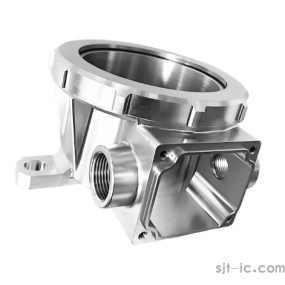
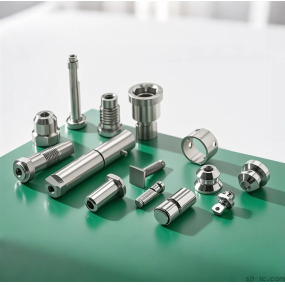
EMAR provides CNC machining services that support the production of high-precision components for various industries, including potential automotive applications. With advanced machining technology, EMAR can help create custom metal parts according to detailed drawings and specifications.
For example, custom-designed engine-related components, brackets, or specialized mechanical parts may require accurate machining processes. CNC machining helps ensure consistent dimensions, smooth finishes, and reliable quality.
For auto enthusiasts and manufacturers, working with an experienced machining partner can make custom auto part projects easier to achieve. Precision-made components can provide better fitting, improved reliability, and stronger performance for automotive applications.
Conclusion: Discover the Possibilities of Playing with Auto Parts
Playing with Auto Parts is not only a hobby but also a way to explore technology, creativity, and engineering. By disassembling components, modifying systems, studying materials, or creating new designs, people can discover the hidden value of automotive parts.
Whether you are a beginner learning how machines work or an experienced enthusiast developing advanced projects, auto parts provide endless opportunities for exploration and creation.