Common Machining Methods for CNC Machine Tools: A Simple Guide
CNC machine tools are widely used in modern manufacturing because they can produce parts with high accuracy, repeatable quality, and efficient production speed. From automotive components to electronic housings and industrial equipment parts, CNC Machining helps manufacturers create complex shapes from different materials.
Understanding the common machining methods for CNC machine tools helps engineers, buyers, and manufacturers choose the right process for their projects. The main CNC machining methods include turning, milling, drilling, boring, and grinding. Each method has different applications, tools, and advantages.
Companies such as EMAR provide professional CNC machining services by combining advanced equipment, experienced technicians, and strict quality control to support different industries with customized machining solutions.
1. Turning in CNC Machine Tool Machining
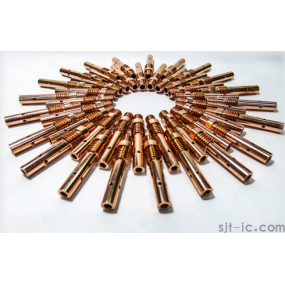
Turning in CNC machine tool machining is one of the most common processes used to create round or cylindrical parts. During turning, the workpiece rotates while a cutting tool removes material from the surface. This process is mainly performed on CNC lathes.
Main turning operations
- External turning: Removes material from the outside diameter of a part to achieve the required size and shape.
- Facing: Creates a flat surface on the end of a workpiece.
- Threading: Produces threads for screws, bolts, and connection parts.
- Grooving: Cuts narrow channels or grooves into the workpiece.
- Parting: Separates a finished part from the remaining material.
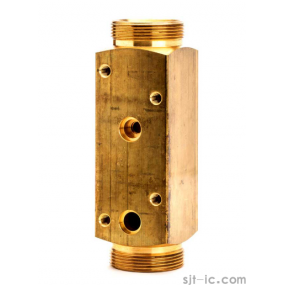
Turning is suitable for many materials, including aluminum, stainless steel, carbon steel, brass, copper, and engineering plastics. The choice of cutting tool depends on the material and production requirements. Common tools include carbide inserts, high-speed steel tools, and special coated cutting tools.
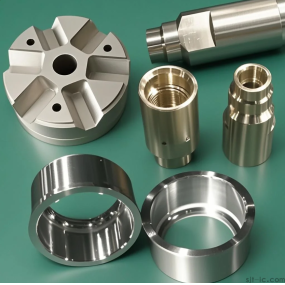
For example, a CNC turning process can produce shafts, pins, bushings, and connectors with accurate dimensions. When selecting a machining supplier, manufacturers should check whether the company has experience handling different materials and complex turning requirements.
2. Milling Methods in CNC Machining
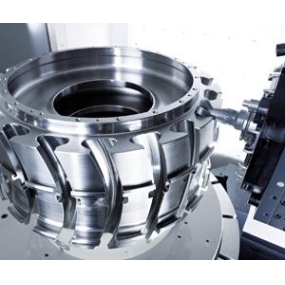
Milling methods in CNC machining are used to create flat surfaces, slots, pockets, and complex shapes. Unlike turning, milling uses a rotating cutting tool that moves across a fixed workpiece.
Common CNC milling operations
- Flat milling: Used to create smooth and level surfaces. It is common for machine plates, brackets, and structural parts.
- Profile milling: Used to cut curved edges, irregular shapes, and complex external features.
- Pocket milling: Removes material inside a specific area to create cavities or recessed sections.
- Slot milling: Produces grooves and channels for assembly or functional purposes.
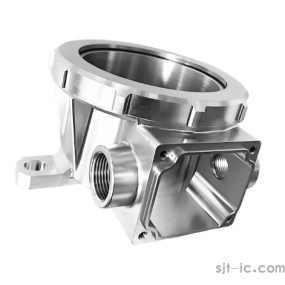
CNC milling is widely used in industries such as aerospace, automotive, medical equipment, and electronics because it can manufacture detailed parts with high precision.
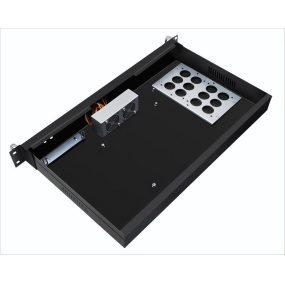
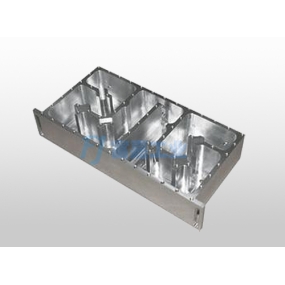
For example, an aluminum housing for an electronic device may require milling to create mounting holes, internal pockets, and precise edges. A skilled CNC machining company can select the correct cutter type, machining speed, and cutting method to improve efficiency and surface quality.
EMAR's CNC machining services support customized milling projects by using advanced CNC equipment and professional manufacturing processes to help customers achieve reliable part quality.
3. Drilling Techniques for CNC Machine Tools
Drilling techniques for CNC machine tools focus on creating accurate holes in different materials. Drilling is often one of the first machining steps because many manufactured parts require holes for assembly, fastening, or air and fluid movement.
Common types of CNC drilling
- Standard drilling: Creates basic round holes for general applications.
- Deep-hole drilling: Produces holes with greater depth compared with normal drilling.
- Center drilling: Creates a starting point to improve drilling accuracy.
- Step drilling: Uses different drill sizes to gradually create larger holes.
Different drill materials are selected according to the workpiece. For example, carbide drills are often used for hard materials, while high-speed steel drills are suitable for general metal processing.
Good drilling results depend on several factors, including correct drill selection, proper cutting speed, stable machine operation, and effective removal of chips. In real production, poor drilling methods can lead to inaccurate holes, rough surfaces, or tool damage.
4. Boring in CNC Machining for Accurate Hole Sizes
Boring in CNC machining is a process used to enlarge and improve existing holes. Unlike drilling, which creates a new hole, boring focuses on improving the accuracy, size, and surface quality of a hole that has already been made.
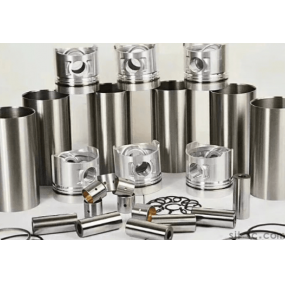
Boring is especially important when a part requires very precise hole dimensions. It is commonly used for engine parts, hydraulic components, machine structures, and precision mechanical assemblies.
Advantages of CNC boring
- Improves hole size accuracy.
- Creates better surface smoothness.
- Corrects small errors from previous machining steps.
- Allows production of large or deep precision holes.
For example, a machine component may need a bearing hole with a very specific diameter. Boring can achieve the required tolerance so that the bearing fits correctly and the equipment works reliably.
5. Grinding in CNC Machine Tool Operations
Grinding in CNC machine tool operations is mainly used for surface finishing and improving part accuracy. A grinding wheel removes very small amounts of material, allowing manufacturers to achieve smooth surfaces and tight dimensional control.
Main applications of CNC grinding
- Surface grinding: Produces flat and smooth surfaces.
- Cylindrical grinding: Improves the accuracy of round parts such as shafts.
- Precision grinding: Achieves very high accuracy for demanding applications.
Grinding is often used after turning or milling when a part needs a better surface finish or higher precision. It is commonly found in industries that require reliable performance, such as aerospace, medical devices, and precision machinery.
How to Choose the Right CNC Machining Method
Selecting the correct machining method depends on several important factors:
- Part shape: Round parts are often suitable for turning, while complex shapes may require milling.
- Material type: Hard metals may need special tools and machining conditions.
- Accuracy requirements: Precision parts may require boring or grinding after basic machining.
- Production quantity: Large production runs may require optimized CNC processes for efficiency.
- Surface requirements: Parts with strict appearance or performance needs may require finishing operations.
A professional CNC machining supplier can analyze drawings, material requirements, and production goals to recommend the best process combination.
Practical Example: Combining Multiple CNC Machining Methods
Many real products require more than one machining method. For example, manufacturing a precision aluminum motor component may include:
- Turning to create the basic cylindrical shape.
- Milling to add slots, edges, and mounting features.
- Drilling to create assembly holes.
- Boring to achieve accurate internal dimensions.
- Grinding to improve surface quality and final accuracy.
This combined approach allows manufacturers to produce parts that meet both functional and appearance requirements.
Why Work with an Experienced CNC Machining Partner?
CNC machining quality depends not only on machines but also on engineering knowledge, process planning, and quality management. An experienced supplier should have skilled operators, modern CNC equipment, inspection systems, and the ability to handle different materials and production needs.
EMAR focuses on providing reliable CNC machining services for customized parts. With professional manufacturing experience and attention to quality control, EMAR helps customers develop accurate components for various applications, from prototypes to production orders.
By understanding the common machining methods for CNC machine tools, businesses can make better decisions when selecting machining processes and suppliers. Choosing the right combination of turning, milling, drilling, boring, and grinding can improve product quality, reduce production problems, and create more efficient manufacturing results.