Customization of CNC Machining Parts on CNC Lathes: Process, Materials, Accuracy, and Cost Guide
The customization of CNC machining parts on CNC lathes helps companies create accurate metal and plastic components that match their specific product requirements. From automotive parts and industrial equipment components to electronic device parts, CNC lathe customization provides flexible solutions for different industries.
Many buyers need customized parts but are unsure about the design process, material choices, machining accuracy, costs, and delivery time. Understanding these key factors can help you choose the right manufacturing partner and achieve better results.
What Is the Customization of CNC Machining Parts on CNC Lathes?
CNC lathes use computer-controlled machines to cut and shape materials into precise parts. Unlike standard products, customized CNC machining parts are made according to customer drawings, 3D models, samples, or special requirements.
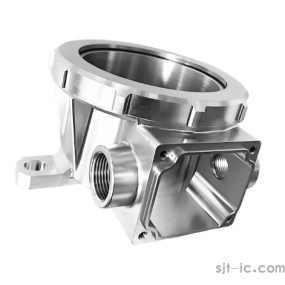
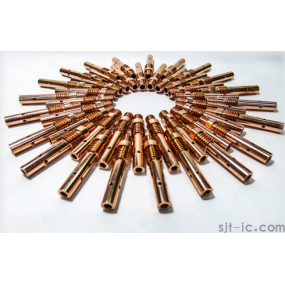
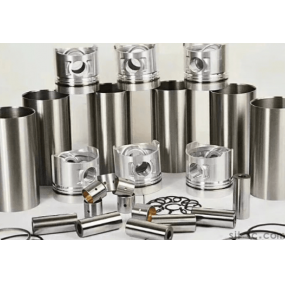
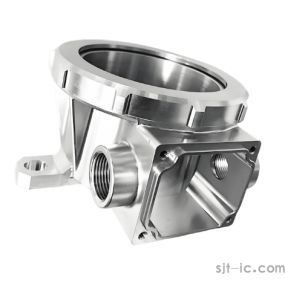
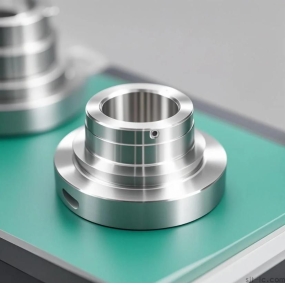
This customization service allows manufacturers to produce parts with unique sizes, shapes, surface finishes, and performance requirements. It is commonly used for shafts, connectors, screws, housings, bushings, and other precision components.
A professional CNC machining supplier can help customers transform an idea or design concept into a finished product through engineering support, machining, inspection, and quality control.
Steps in Customizing CNC Machining Parts on CNC Lathes
The steps in customizing CNC machining parts on CNC lathes usually include several important stages. Each step affects the final quality, cost, and production efficiency.
- Design and Requirement Review:
Customers provide drawings, CAD files, samples, or technical requirements. Engineers check the design, dimensions, tolerances, and production feasibility.
- Material Selection:
The right material is selected based on strength, durability, weight, corrosion resistance, and application needs.
- Programming and Machining Preparation:
CNC engineers create machining programs and select suitable cutting tools and processing methods.
- CNC Turning Process:
The CNC lathe removes material accurately to create the required shape and size.
- Inspection and Quality Testing:
Finished parts are measured to confirm that they meet customer specifications before shipment.
Following a clear customization process reduces production problems and helps ensure stable part quality.
Design Considerations for CNC Lathe Customized Parts
A good design is the foundation of successful CNC machining. Before production begins, customers should consider several design factors:
- Part Function: Understand how the part will be used and what performance requirements it must meet.
- Dimensions and Tolerances: Avoid unnecessary precision requirements because extremely tight tolerances may increase manufacturing costs.
- Part Structure: Simple and practical designs are usually easier and faster to machine.
- Surface Requirements: Consider whether the part needs polishing, coating, anodizing, or other finishing processes.
For example, a rotating machine shaft may require high accuracy and smooth surface finishing, while a simple connecting component may focus more on strength and cost control.
Material-Based Customization of CNC Machining Parts on CNC Lathes
The material-based customization of CNC machining parts on CNC lathes allows manufacturers to select materials that fit different working conditions.
Common CNC lathe materials include:
- Aluminum: Lightweight, easy to machine, and suitable for aerospace, electronics, and consumer products.
- Stainless Steel: Provides strong corrosion resistance and is widely used in medical equipment, food machinery, and industrial applications.
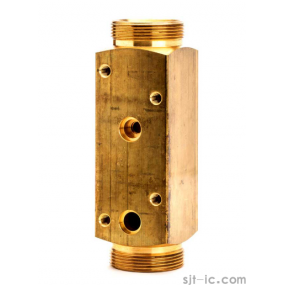
- Brass: Offers good electrical performance and is often used for connectors and precision components.
- Carbon Steel: Provides high strength for mechanical parts that require durability.
- Engineering Plastics: Suitable for lightweight parts and applications requiring insulation or chemical resistance.
The best material choice depends on the operating environment, production quantity, budget, and required performance.
How to Achieve High-Precision Customization of CNC Machining Parts on CNC Lathes
High-precision customization of CNC machining parts on CNC lathes requires careful control throughout the entire manufacturing process.
Important factors affecting precision include:
- Advanced CNC lathe equipment and proper machine maintenance.
- Experienced operators and engineers who understand machining requirements.
- Accurate programming and suitable cutting parameters.
- Professional measuring tools for quality inspection.
- Stable material quality to reduce deformation during machining.
For example, precision parts used in automation equipment may require very accurate dimensions because even a small error can affect the movement and performance of the whole system.
Customization of Complex CNC Machining Parts on CNC Lathes
The customization of complex CNC machining parts on CNC lathes requires stronger engineering capabilities and production experience.
Complex parts may include multiple diameters, special grooves, threads, holes, or unique structures. Manufacturers need to carefully plan machining steps to reduce errors and improve efficiency.
When selecting a supplier for complex parts, customers should check:
- Previous experience with similar projects.
- Available CNC equipment and machining capabilities.
- Quality inspection methods.
- Ability to handle small and large production orders.
Cost-Efficient Customization of CNC Machining Parts on CNC Lathes
Cost-efficient customization of CNC machining parts on CNC lathes does not mean choosing the cheapest supplier. It means achieving reliable quality while controlling unnecessary expenses.
Ways to reduce costs include:
- Using suitable materials instead of over-specifying expensive options.
- Optimizing part designs to reduce machining time.
- Ordering suitable quantities to improve production efficiency.
- Working with experienced manufacturers to avoid rework and delays.
A professional supplier can provide design suggestions that improve manufacturability and lower total production costs.
Lead Time for CNC Lathe Custom Parts
Lead time depends on factors such as part complexity, material availability, order quantity, finishing requirements, and inspection standards.
A typical customization project includes:
- Design review and quotation stage.
- Prototype production.
- Testing and customer approval.
- Mass production and final inspection.
Clear communication between customers and manufacturers helps prevent delays. Providing complete drawings and technical information at the beginning can significantly shorten the production cycle.
Why Choose EMAR for CNC Machining Parts Customization on CNC Lathes?
EMAR provides professional CNC machining parts customization services on CNC lathes for customers who need reliable precision components. With experience in CNC machining, engineering support, and quality management, EMAR helps customers develop parts from initial design ideas to finished products.
EMAR focuses on understanding customer requirements, selecting suitable materials, improving machining efficiency, and maintaining consistent quality. Whether customers need prototypes, small batches, or larger production runs, EMAR provides flexible solutions for different applications.
By combining manufacturing experience with careful quality control, EMAR helps customers reduce production risks and achieve cost-effective customized CNC machining solutions.
Practical Tips Before Ordering CNC Lathe Customized Parts
- Prepare complete drawings or 3D models whenever possible.
- Clearly explain the part application and working environment.
- Discuss material options with the manufacturer.
- Confirm tolerance requirements before production.
- Choose a supplier with proven machining experience and quality control processes.
Conclusion
The customization of CNC machining parts on CNC lathes provides an effective way to produce accurate, reliable, and application-specific components. By understanding design requirements, material selection, machining accuracy, cost control, and production timelines, customers can make better manufacturing decisions.
Working with an experienced CNC machining partner such as EMAR can help ensure high-quality results, efficient production, and customized solutions that meet different industry needs.