Production and Processing Steps of Sheet Metal Stamping for Lithium-Battery Box
Lithium-battery boxes are important protective components used in electric vehicles, energy storage systems, and other battery-powered equipment. They must provide strong mechanical protection, accurate dimensions, heat resistance, and reliable safety performance. Because battery boxes usually require high strength and precise assembly, understanding the production and processing steps of sheet metal stamping for lithium-battery box is important for manufacturers and buyers.
Many customers face common challenges when choosing a sheet metal stamping supplier. They may not know how the battery box is produced, which factors affect quality, or how manufacturers control costs and delivery time. A complete production process helps ensure the final lithium-battery box meets design requirements and performs safely in real applications.
What Is Sheet Metal Stamping for Lithium-Battery Boxes?
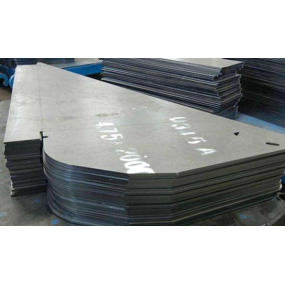
Sheet metal stamping is a manufacturing process that uses stamping machines and customized molds to form metal sheets into specific shapes. For lithium-battery boxes, this process usually involves cutting, bending, forming, punching, and other operations to create a strong enclosure structure.
Common materials used for lithium-battery boxes include aluminum alloys, stainless steel, and other high-strength metal sheets. The selected material depends on factors such as weight requirements, corrosion resistance, strength, and application environment.
A well-controlled stamping process can improve production efficiency while maintaining consistent dimensions, which is especially important because battery modules and electronic components require accurate installation spaces.
Initial Preparation Steps in Sheet Metal Stamping for Lithium-Battery Box
Before stamping begins, manufacturers need to complete several preparation steps. Proper preparation reduces production problems and improves the overall quality of battery boxes.
- Reviewing product drawings and technical requirements:
Engineers analyze the 3D models, material specifications, tolerance requirements, and assembly conditions. This step helps identify possible manufacturing difficulties before mass production.
- Selecting suitable sheet metal materials:
The material thickness, strength, and corrosion resistance must match the battery box application. Incorrect material selection may lead to deformation, cracking, or reduced protection performance.
- Designing and testing stamping molds:
Customized molds are developed according to the battery box structure. Mold accuracy directly affects product dimensions and production stability.
- Preparing stamping equipment:
Manufacturers check stamping machines, cutting tools, and inspection equipment to ensure stable operation during production.
These initial preparation steps in sheet metal stamping for lithium-battery box help avoid unnecessary delays and reduce material waste during later production stages.
Key Stamping Steps for Lithium-Battery Box Sheet Metal
After preparation, the sheet metal enters the main stamping process. The exact steps may vary depending on the battery box design, but most projects include the following operations.
1. Sheet Metal Cutting
The metal sheet is cut into the required size and shape according to the product design. High-precision cutting ensures the material fits correctly during the following stamping operations.
2. Stamping and Forming
The cut sheet metal is placed into the stamping mold. Pressure from the stamping machine forms the metal into the basic battery box structure. This step requires accurate control of pressure, speed, and mold alignment.
3. Bending and Edge Forming
Bending operations create the side walls and structural edges of the box. Proper bending control prevents cracks, uneven surfaces, and dimensional errors.
4. Punching and Hole Processing
Mounting holes, ventilation openings, and connection points are created during this stage. Accurate hole positions are necessary for easy assembly with battery modules and other components.
5. Surface Adjustment and Correction
After stamping, technicians check the shape and make necessary corrections. This ensures the battery box has the correct flatness and meets assembly requirements.
These key stamping steps for lithium-battery box sheet metal determine the basic quality, strength, and appearance of the final product. Experienced manufacturers use precise equipment and skilled operators to maintain stable production.
Post-Stamping Processing of Lithium-Battery Box Sheet Metal
Stamping is only one part of lithium-battery box manufacturing. Additional processing is required to improve performance and prepare the product for final use.
- Deburring: Removes sharp edges and metal burrs created during cutting and stamping, improving safety during assembly.
- Welding: Some battery box designs require welding to connect different stamped parts and increase structural strength.
- Surface treatment: Processes such as coating, anodizing, or other protective treatments can improve corrosion resistance and product durability.
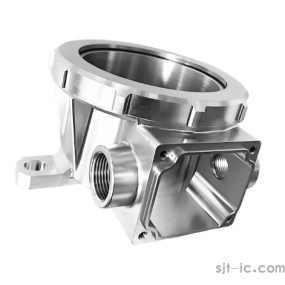
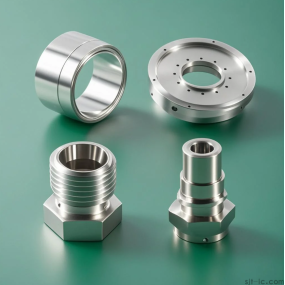
- CNC Machining: High-precision CNC machining can be used for secondary processing, including accurate hole machining, surface finishing, and complex structural adjustments.
- Final assembly preparation: The finished box is cleaned and prepared for battery module installation.
The post-stamping processing of lithium-battery box sheet metal plays an important role in improving product reliability. For complex battery box structures requiring higher precision, combining stamping with CNC machining can provide better dimensional control.
EMAR provides professional CNC processing services that support customized metal component manufacturing. By combining CNC machining capabilities with strict process management, EMAR helps customers achieve accurate parts, stable quality, and efficient production for different industrial applications.
Quality Control Steps in Sheet Metal Stamping for Lithium-Battery Box
Quality control is essential because lithium-battery boxes directly affect battery safety and equipment reliability. Manufacturers should perform inspections throughout the production process instead of only checking finished products.
- Material inspection: Verify material type, thickness, and mechanical properties before production.
- Mold inspection: Check mold accuracy and condition to prevent repeated production errors.
- Dimension inspection: Use measuring tools or coordinate measuring machines to confirm critical dimensions.
- Appearance inspection: Check for scratches, cracks, deformation, or surface defects.
- Functional testing: Confirm that the battery box fits correctly with related components and meets design requirements.
Following strict quality control steps in sheet metal stamping for lithium-battery box reduces production risks and helps manufacturers deliver reliable products to customers.
Efficiency-Enhancing Steps in Sheet Metal Stamping for Lithium-Battery Box
Manufacturers are always looking for ways to improve production efficiency while maintaining quality. Several methods can help optimize lithium-battery box stamping processes.
- Using automated stamping equipment: Automation can improve production speed and reduce human errors.
- Optimizing mold design: Better mold structures reduce adjustment time and improve product consistency.
- Combining stamping with CNC machining: A combined manufacturing approach can reduce outsourcing steps and improve processing flexibility.
- Improving production planning: Proper scheduling helps reduce waiting time and increases equipment utilization.
- Performing regular equipment maintenance: Well-maintained machines provide more stable production performance.
These efficiency-enhancing steps in sheet metal stamping for lithium-battery box allow manufacturers to produce higher-quality battery boxes with shorter lead times and better cost control.
How to Choose a Reliable Lithium-Battery Box Manufacturing Partner
Choosing the right supplier is important for companies that need customized lithium-battery boxes. A reliable manufacturer should have experience in sheet metal stamping, precision machining, quality inspection, and customized production.
Customers should consider several factors:
- Experience with similar battery box projects
- Ability to handle different metal materials
- Advanced stamping and CNC processing equipment
- Strict quality management procedures
- Ability to support prototype development and mass production
A manufacturer with strong engineering support can help optimize product designs, reduce manufacturing problems, and improve overall project efficiency.
Conclusion
The production and processing steps of sheet metal stamping for lithium-battery box include preparation, stamping, post-processing, quality inspection, and efficiency improvement. Each stage affects the strength, accuracy, safety, and cost of the final battery box.
By understanding the complete manufacturing process, customers can make better decisions when selecting suppliers and developing new battery box products. Working with an experienced manufacturer that offers both sheet metal processing and CNC machining services can provide better results for customized lithium-battery applications.