How to Choose the Best CNC Machining Factory for Precision Manufacturing
Choosing the right CNC machining factory is one of the most important decisions for any precision manufacturing project. A reliable factory does more than produce parts; it helps ensure product quality, control costs, reduce production risks, and support long-term success.
Many customers face challenges when selecting a CNC machining partner. They may worry about inconsistent quality, hidden costs, limited machining abilities, delayed communication, or factories that cannot handle complex designs. Understanding what to evaluate can help you make a confident choice.
This guide explains the key factors to consider when selecting a CNC machining factory, including quality assurance, cost-effectiveness, machining capabilities, experience, and customer service. These factors are essential for achieving accurate, reliable, and cost-efficient precision manufacturing results.
1. Quality Assurance: The Foundation of Precision Manufacturing
Quality is the most important factor when choosing a CNC machining factory. Precision parts must meet strict dimensional, material, and performance requirements. A factory with strong quality control systems can reduce defects and ensure every component performs as expected.
Certifications and Industry Standards
A professional CNC machining factory should have recognized quality certifications. For example, ISO 9001 shows that the factory follows a structured quality management system. For specialized industries, additional certifications may be required, such as AS9100 for aerospace manufacturing or ISO 13485 for medical device production.
These certifications demonstrate that the factory follows strict procedures for production control, inspection, documentation, and continuous improvement. When evaluating the quality in choosing CNC machining factory, certifications are an important indicator of reliability and professionalism.
Inspection Processes and Quality Control
A trustworthy CNC machining factory should perform inspections throughout the entire manufacturing process, not only after production is complete. In-process inspections help identify problems early and prevent defective parts from continuing through production.
Common inspection tools include:
- Coordinate Measuring Machines (CMMs): Used to measure complex part dimensions with high accuracy.
- Calipers and micrometers: Used for checking critical dimensions during machining.
- Surface measurement equipment: Used to verify surface finish requirements.
Final inspections should include material verification, hardness testing, and functional testing when needed. For example, if a machined aerospace component has a small dimensional error, strict inspection procedures can detect the issue before the part reaches the customer.
Factories such as EMAR focus on precision inspection systems to ensure CNC machined parts meet customer specifications and industry requirements. Strong quality control helps customers avoid production delays, assembly problems, and unnecessary costs.
2. Cost-Effectiveness: Getting Better Value Without Reducing Quality
Price is an important consideration, but the lowest quotation is not always the best choice. A low-cost factory may save money initially but create higher expenses later through poor quality, delays, or repeated production.
Transparent Quotation Process
The best CNC machining factories provide clear and detailed quotations. A professional quote should explain the cost of:
- Raw materials
- CNC machining operations
- Surface finishing
- Inspection services
- Packaging and additional services
Transparent pricing allows customers to understand where their investment goes and compare different suppliers more accurately. This is an important part of the cost-effectiveness of precision CNC factory selection process.
Cost-Saving Recommendations
An experienced machining partner should not only provide a quote but also suggest ways to reduce costs while maintaining quality. For example, a factory may recommend:
- A more suitable material with similar performance
- A design adjustment that reduces machining difficulty
- A more efficient production method
- A better finishing option based on the application
These suggestions can lower manufacturing costs and improve production efficiency over the long term. A skilled CNC factory works as a technical partner rather than simply a supplier.
Benefits of Production Volume
For larger orders, experienced CNC factories can provide better pricing through economies of scale. Setup costs, programming costs, and tooling expenses can be spread across more parts, reducing the cost per unit.
A factory with efficient production planning can help customers achieve competitive pricing while maintaining precision and consistency.
3. Machining Capabilities: Ensuring the Factory Can Meet Your Requirements
Precision manufacturing projects often involve complex designs, tight tolerances, and specialized materials. Before selecting a CNC machining factory, it is important to confirm whether the factory has the right equipment, technology, and technical knowledge.
Modern Equipment and Advanced Technology
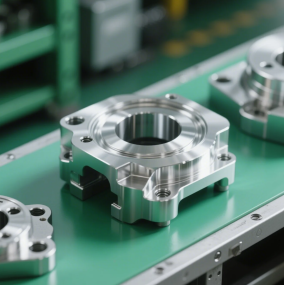
A capable CNC machining factory should have advanced manufacturing equipment, such as:
- Multi-axis machining centers for complex geometries
- High-speed milling machines for accurate and efficient processing
- Precision CNC lathes for turning operations
- Advanced inspection equipment for quality verification
Modern CAD/CAM software is also important because it improves programming accuracy, reduces machining errors, and allows engineers to optimize production processes before manufacturing begins.
Material Compatibility and Machining Expertise
Different materials require different machining techniques. A professional factory should have experience working with a wide range of materials, including:
- Aluminum
- Stainless steel and other steels
- Titanium
- Engineering plastics
- Composite materials
For example, titanium requires specialized cutting tools and machining strategies because of its strength and heat resistance. A factory with strong material knowledge can select the correct tools, speeds, and processes to achieve accurate results.
Customization and Prototype Development
Many precision manufacturing projects require custom parts or prototypes. The right CNC machining factory should be able to understand your drawings, provide engineering suggestions, and create prototypes before full production.
Strong machining capabilities for precision manufacturing allow a factory to support different project stages, from initial design testing to high-volume production.
4. Experience and Expertise: Choosing a Factory That Understands Complex Projects
Experience plays a major role in precision CNC machining. A factory that has worked on many projects is more likely to understand manufacturing challenges and find effective solutions quickly.
Industry Experience
A factory with broad industry experience can better understand different application requirements. CNC machining companies may serve industries such as:
- Automotive manufacturing
- Aerospace engineering
- Medical equipment
- Electronics
- Industrial automation
The experience of CNC machining factory for precision helps ensure that engineers understand tolerance requirements, material selection, production risks, and industry-specific standards.
Skilled Engineers and Machinists
Advanced machines are important, but skilled people are equally valuable. A reliable CNC factory should have experienced engineers, programmers, and machinists who can:
- Optimize machining processes
- Identify potential manufacturing problems
- Improve production efficiency
- Maintain consistent part quality
Technical expertise allows the factory to solve problems quickly and deliver parts that meet demanding specifications.
5. Customer Service: Building a Reliable Manufacturing Partnership
Good communication and support are essential when working with a CNC machining factory. Even a technically capable supplier can create problems if communication is slow or unclear.
Clear Communication During the Project
A professional CNC factory should provide timely responses, regular production updates, and clear explanations about technical issues.
Effective communication helps prevent misunderstandings about:
- Design requirements
- Production schedules
- Material choices
- Engineering changes
When considering customer service in precision CNC factory selection, choose a company that treats communication as part of the manufacturing process.
After-Sales Support
A dependable CNC machining partner should continue supporting customers after delivery. After-sales services may include:
- Technical assistance
- Warranty support
- Part adjustments
- Problem analysis and solutions
Strong support creates a long-term partnership and helps customers maintain stable production.
Why Choosing the Right CNC Machining Factory Matters
The success of a precision manufacturing project depends heavily on the CNC machining factory you choose. The right partner can improve product quality, control costs, shorten development time, and reduce manufacturing risks.
When selecting a supplier, consider more than price. Evaluate quality systems, production capabilities, engineering experience, communication ability, and customer support. A factory that combines advanced equipment with professional expertise can provide reliable solutions for demanding applications.
EMAR is an experienced CNC machining provider that focuses on precision manufacturing, quality control, and customized machining solutions. With advanced equipment, skilled engineers, and customer-focused service, EMAR helps businesses develop accurate and reliable CNC machined components for various industries.
Final Checklist for Selecting a CNC Machining Factory
- Check certifications and quality management systems.
- Review inspection methods and testing capabilities.
- Compare transparent quotations and cost-saving suggestions.
- Confirm equipment, materials, and customization abilities.
- Evaluate industry experience and technical expertise.
- Choose a factory with strong communication and after-sales support.
By carefully evaluating these factors, companies can choose the best CNC machining factory for precision manufacturing and build a reliable foundation for successful production projects.