
How to Choose the Best CNC Machining Factory for Your Project
Choosing the right CNC machining factory is one of the most important decisions for any manufacturing project. A reliable factory can help you achieve accurate parts, control production costs, reduce delays, and avoid quality problems. However, with many CNC machining suppliers available, it can be difficult to know which one truly matches your project needs.
When selecting a CNC machining partner, you should look beyond price alone. A factory's experience, equipment, quality control system, cost management ability, and communication service all influence the final result. This guide explains the key points you should consider when deciding How to Choose the Best CNC Machining Factory for Your Project.
Start with the Experience of the CNC Machining Factory
The first factor to consider is the factory's experience. A company with many years in CNC machining usually has stronger technical knowledge, better problem-solving skills, and a deeper understanding of different customer requirements.
The experience factor in choosing CNC machining factory includes more than just the number of years in business. You should also check the types of projects the factory has completed and the industries it has served.
- Years in the industry: A factory with long-term machining experience has likely handled different materials, designs, and production challenges.
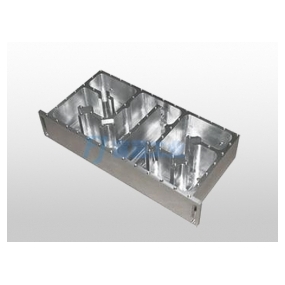
- Project experience: Review whether they have produced similar parts, such as precision components, aluminum parts, medical devices, aerospace components, or industrial equipment parts.
- Industry knowledge: Experience in your industry means the factory may better understand required tolerances, standards, and production expectations.
For example, a factory that has worked with both prototype machining and high-volume production will usually have more flexible solutions for different project stages. EMAR has years of CNC machining experience and supports customers with prototype development, custom parts production, and precision manufacturing services for various industries.
Check the Equipment of CNC Machining Factories
The equipment available in a CNC machining factory directly affects what types of parts they can produce. A factory with a wide range of machines can handle more complex designs and provide better production flexibility.
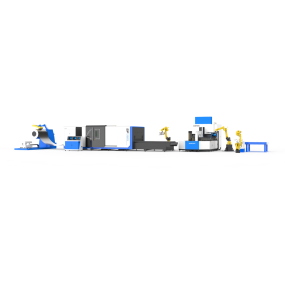
The equipment of CNC machining factories should include advanced and suitable machines for your specific project requirements. Important equipment may include:
- CNC milling machines: Used for creating complex shapes, slots, holes, and detailed features with high accuracy.
- CNC turning centers: Suitable for producing round parts such as shafts, bushings, and cylindrical components.
- EDM machines: Useful for machining hard materials and creating very precise small features.
- Multi-axis CNC machines: Allow machining of complex geometries with fewer setups and improved accuracy.
A factory with diverse equipment can reduce outsourcing needs, shorten production time, and improve consistency. Before choosing a supplier, ask about their machine list and whether their equipment can support your part design, material, size, and production quantity.
Evaluate Quality Control in CNC Machining Factories
Quality is one of the biggest concerns when selecting a CNC machining partner. Even a small dimensional error can affect assembly, performance, and product reliability.
Strong quality control in CNC machining factories ensures that every production step is monitored. A professional factory should have a complete quality management process, including:
- Incoming material inspection: Checking raw materials to confirm they meet required specifications.
- In-process inspections: Measuring parts during machining to identify problems early.
- Final product testing: Confirming finished parts meet drawings, tolerances, and customer requirements before shipment.
- Precision measuring tools: Using equipment such as coordinate measuring machines (CMM), calipers, micrometers, and height gauges for accurate inspection.
Certifications are also important when evaluating a machining factory. Standards such as ISO certifications show that a company follows structured quality procedures and focuses on continuous improvement.
A dependable supplier should be willing to explain its inspection methods and provide quality reports when needed. This transparency helps customers feel confident before placing large orders.
Consider Cost Without Sacrificing Quality
Cost is always an important part of choosing a CNC machining factory, but the lowest price is not always the best choice. Extremely low quotes may result from lower-quality materials, limited inspection processes, or poor production planning.
When reviewing cost considerations in CNC machining factories, look at how the quotation is calculated. A professional CNC quote should usually include:
- Material costs: The type, grade, and amount of material required for production.
- Labor costs: Machine operation, programming, finishing, and inspection time.
- Machine and overhead costs: Equipment usage, maintenance, and factory operation expenses.
- Additional services: Surface treatment, assembly, packaging, and shipping requirements.
A good factory should help you find ways to reduce costs while maintaining quality. For example, they may suggest design improvements, material alternatives, better machining methods, or production planning for larger volume orders.
Factories with strong engineering support, such as EMAR, can often provide design for manufacturability suggestions that help customers avoid unnecessary machining costs before production begins.
Pay Attention to Communication in CNC Machining Factories
Good communication is essential for a successful CNC machining project. Misunderstandings about drawings, materials, tolerances, or delivery schedules can create delays and extra costs.
The communication in CNC machining factories should be clear, professional, and timely from the first inquiry to final delivery. A reliable factory should:
- Provide clear quotations and explain pricing details.
- Respond quickly to technical questions.
- Confirm project requirements before production.
- Update customers about manufacturing progress.
- Inform customers immediately if any issue appears.
Good customer service is especially important for international customers who need reliable cooperation across different time zones. A factory that values communication can make the entire manufacturing process smoother and more predictable.
Questions to Ask Before Choosing a CNC Machining Factory
Before making a final decision, prepare questions that help you understand the factory's capabilities and reliability. Useful questions include:
- How many years of CNC machining experience do you have?
- Have you completed projects similar to my part or industry?
- What CNC machines and inspection equipment do you use?
- Can you provide references from previous clients?
- What is your typical lead time for prototype and production orders?
- How do you control quality during and after machining?
- Can you provide design for manufacturability (DFM) suggestions?
- How do you handle urgent changes or production problems?
The answers to these questions can help you compare different suppliers and identify which factory can provide the best long-term value.
Why Choosing the Right CNC Machining Factory Matters
The right CNC machining factory does more than produce parts. It becomes a manufacturing partner that helps improve your product quality, control risks, and achieve your business goals.
A professional supplier should combine technical experience, advanced equipment, strict quality control, reasonable pricing, and effective communication. Whether you need prototypes, small-batch production, or large-volume manufacturing, choosing a factory with proven capabilities can save time and money while improving project success.
EMAR focuses on precision CNC machining solutions with experienced engineers, advanced machining equipment, and strict quality management processes. By working with a reliable CNC machining factory, customers can gain better production confidence and build stronger manufacturing partnerships.