
CNC Machining of Cylinders: Materials, Processes, Precision, and Applications
CNC machining of cylinders is a common manufacturing method used to produce round mechanical parts with high accuracy and reliable performance. Cylinders are widely used in machines, hydraulic systems, automotive components, aerospace equipment, and many other industries. By using computer-controlled machines, manufacturers can create cylindrical parts with accurate outer diameters, inner holes, flat surfaces, and complex designs.
Choosing the right machining partner is important because cylinder parts often require strict dimensions and stable quality. A professional CNC machining company should have advanced equipment, experienced engineers, and strong quality control systems. Companies such as EMAR provide CNC machining services for cylinders, helping customers produce customized parts for different industrial needs.
What Is CNC Machining of Cylinders?
CNC machining of cylinders uses computer numerical control machines to remove material from metal blocks, tubes, or bars and shape them into precise cylindrical components. The CNC system controls cutting movements based on digital drawings, allowing manufacturers to produce parts with consistent size and repeatable quality.
Compared with traditional manual machining, CNC machining offers several advantages:
- Higher dimensional accuracy and repeatability
- Faster production for small and large batches
- Ability to create customized cylinder designs
- Better surface finishes and product consistency
- Reduced human error during production
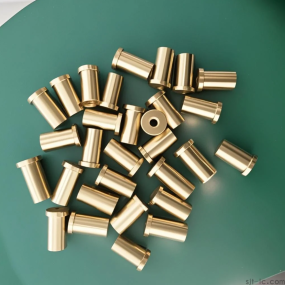
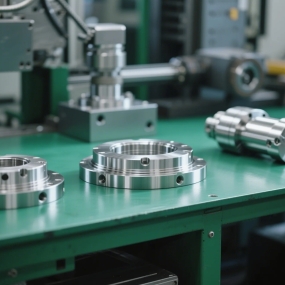
CNC-machined cylinders can be simple round shafts or more complex parts with internal holes, grooves, threads, and special surface requirements.
Material Selection for CNC Machining of Cylinders
Material selection for CNC machining of cylinders directly affects the part’s strength, weight, corrosion resistance, and service life. Different industries choose different metals based on working conditions.
Aluminum Cylinders
Aluminum is a popular material for CNC cylinder machining because it is lightweight, easy to machine, and resistant to corrosion. It is often used in aerospace parts, automotive components, electronic equipment, and lightweight mechanical structures.
- Advantages: Low weight, good machinability, and good surface appearance
- Common applications: Aircraft components, housings, precision sleeves, and moving parts
Steel Cylinders
Steel is selected when high strength and durability are required. Different steel grades can provide excellent wear resistance and load-bearing capability.
- Advantages: High strength, strong impact resistance, and long service life
- Common applications: Hydraulic components, automotive shafts, industrial machinery parts
Other Metal Options
Depending on the project requirements, manufacturers may also use stainless steel, brass, titanium, or other alloys. Stainless steel is suitable for environments requiring corrosion resistance, while titanium is often chosen for high-performance applications where strength and low weight are important.
Before production begins, engineers should consider operating temperature, pressure, chemical exposure, mechanical load, and budget when choosing the cylinder material.
Machining Processes in CNC Cylinder Machining
Machining processes in CNC cylinder machining include several operations that work together to create accurate cylindrical parts. The exact process depends on the design, material, and required precision.
CNC Turning for Outer Diameter
CNC turning is one of the most important processes for cylinder manufacturing. During turning, the workpiece rotates while a cutting tool removes material from the outside surface. This process creates the required outer diameter and improves roundness.
For example, a steel cylinder used in a hydraulic system may require precise outer diameter control to ensure it fits correctly with other components.
Boring for Inner Diameter
Boring is used to enlarge or improve the accuracy of an existing hole inside a cylinder. It helps achieve the correct inner diameter, smooth surface finish, and proper alignment.
This process is especially important for cylinders used in hydraulic and pneumatic systems, where internal dimensions affect sealing performance and movement accuracy.
Facing for Flat Ends
Facing removes material from the end surface of a cylinder to create a flat and even face. A properly faced surface helps ensure correct assembly and stable contact with other parts.
Additional CNC Operations
Depending on the design, CNC cylinder machining may also include:
- Thread cutting for screws or connections
- Groove machining for seals or retaining rings
- Drilling for mounting holes
- Surface finishing to improve appearance or wear resistance
Tooling for CNC Machining of Cylinders
Tooling for CNC machining of cylinders plays an important role in achieving good cutting performance and part quality. The correct cutting tools help reduce production time and maintain stable accuracy.
Common CNC cylinder machining tools include:
- Turning tools: Used for removing material from the outer surface of cylindrical parts
- Boring tools: Used for improving internal hole accuracy
- Face milling tools: Used for creating flat end surfaces
- Drills: Used for making holes and internal passages
- Threading tools: Used for producing accurate threads
The choice of tool depends on the material being machined. For example, aluminum may require different cutting conditions compared with hardened steel. Experienced CNC engineers select suitable tools, cutting speeds, and feeds to balance efficiency and quality.
Precision Control in CNC Machining of Cylinders
Precision control in CNC machining of cylinders is essential because even small errors can affect assembly, movement, and product performance. High-quality cylinder parts require careful measurement throughout the manufacturing process.
Important precision factors include:
- Diameter accuracy: Ensures the cylinder fits correctly with other components
- Roundness: Prevents uneven movement and excessive wear
- Surface finish: Reduces friction and improves durability
- Position accuracy: Ensures holes and features are located correctly
Modern CNC machines can achieve very tight tolerances, often within a few thousandths of an inch depending on the material, machine condition, tooling, and inspection method. However, the final accuracy also depends on engineering design, machining experience, and quality control procedures.
Reliable manufacturers usually use inspection equipment such as coordinate measuring machines (CMM), micrometers, calipers, and surface testers to verify cylinder dimensions before delivery.
Applications of CNC-Machined Cylinders
Applications of CNC-machined cylinders can be found across many industries because cylindrical components provide strong mechanical performance and precise movement.
- Automotive industry: Used in engine parts, shafts, suspension components, and transmission systems
- Aerospace industry: Used for lightweight precision components requiring strict quality standards
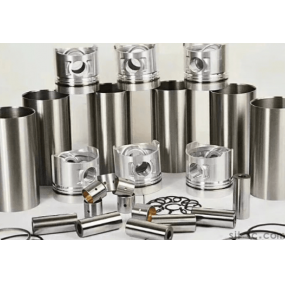
- Hydraulic and pneumatic equipment: Used in cylinders, pistons, and pressure-control systems
- Medical equipment: Used in precision instruments and specialized devices
- Industrial machinery: Used in automation equipment, production lines, and mechanical systems
For example, a manufacturing company may need a custom stainless steel cylinder for a food processing machine. The cylinder must resist corrosion, maintain accurate dimensions, and operate reliably for long periods. CNC machining makes this type of customized production possible.
How to Choose a Reliable CNC Cylinder Machining Supplier
When selecting a CNC machining supplier, customers should evaluate more than just price. A reliable partner should provide technical support, stable production quality, and clear communication.
Important factors include:
- Manufacturing capability: Check whether the company can handle different cylinder sizes, materials, and designs.
- Equipment quality: Advanced CNC turning and machining equipment helps improve production stability.
- Quality management: Ask about inspection methods, certifications, and quality control procedures.
- Engineering experience: Skilled engineers can help improve designs and avoid machining problems.
- Production flexibility: The supplier should support prototypes, small batches, and mass production.
EMAR offers professional CNC machining services for customized cylinder parts. With machining experience, precision equipment, and quality inspection processes, EMAR supports customers in developing reliable components for different industries.
Practical Tips for Better CNC Cylinder Machining Results
- Provide complete technical drawings with dimensions, tolerances, and material requirements.
- Select materials based on actual working conditions instead of only focusing on cost.
- Discuss machining requirements with engineers before production begins.
- Use proper inspection methods to confirm critical dimensions.
- Choose a manufacturer with experience in similar cylinder projects.
Understanding the basics of CNC machining of cylinders helps buyers make better decisions when developing mechanical parts. From material selection and machining processes to tooling and precision control, every step affects the final product quality. Working with an experienced CNC machining company can help ensure that cylinder components meet performance requirements and provide long-term reliability.