
How to Deal with Deformation During Sheet Metal Processing
Sheet metal deformation is one of the most common challenges in manufacturing. During cutting, bending, stamping, welding, and other processes, sheet metal may change shape because of stress, heat, or material properties. Learning How to deal with deformation during sheet metal processing is important because even a small deformation can affect assembly accuracy, product appearance, and final performance.
In industries such as automotive manufacturing, electronics, industrial equipment, and metal furniture production, deformed sheet metal parts can create serious problems. A warped automotive panel may not fit correctly, a bent electronic enclosure may fail during assembly, and uneven metal furniture parts may reduce product stability. These issues can increase production time, material waste, and manufacturing costs.
Causes of Sheet Metal Deformation
Understanding the causes of sheet metal deformation is the first step to preventing and solving the problem. Different processing methods can create different types of deformation. The main causes usually include uneven stress, thermal effects, and material-related factors.
Uneven Stress Distribution During Processing
Uneven stress is a common reason why sheet metal changes shape. When external forces are not applied evenly, some areas of the metal experience more pressure than others. This can cause stretching, bending, twisting, or warping.
For example, during stamping, the pressure from the die must be evenly distributed across the sheet metal surface. If the die is incorrectly aligned or the pressure balance is poor, one side of the sheet may stretch more than the other side. In large-scale stamping operations for car body panels, this problem can create visible warping and make the parts difficult to install.
The same problem can happen during bending. If the bending force is too concentrated in one area, the sheet metal may not maintain the designed shape after processing.
Thermal Effects During Welding and Heat Processing
Heat is another major factor that causes sheet metal deformation. Processes such as welding create high temperatures in a small area. The heated metal expands, and then it contracts when it cools. This repeated expansion and contraction creates internal stress that can distort the part.
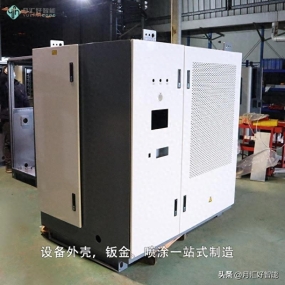
For example, when welding several sheets of metal to make a box-shaped enclosure, the welded areas may shrink during cooling. As a result, the side panels may bend outward or the corners may become uneven.
If heat input is too high or welding speed is not controlled properly, the risk of deformation becomes higher.
Material Properties and Sheet Thickness
The characteristics of the sheet metal itself also affect deformation. Materials with uneven grain structures or inconsistent mechanical properties are more likely to deform during processing.
Sheet thickness is also important. Thin metal sheets have less strength to resist external forces, making them easier to bend or warp. For example, a thin aluminum decorative panel may deform more easily during bending compared with a thicker aluminum sheet.
Choosing the correct material and thickness based on the product requirements can greatly reduce deformation problems.
Prevention of Deformation in Sheet Metal
The best way to handle sheet metal deformation is to prevent it before it happens. Proper process planning, suitable materials, and accurate manufacturing control can significantly improve product quality.
Optimize Product and Process Design
Good design is the foundation of preventing deformation. Engineers should consider stress distribution during the design stage and reduce areas where stress can concentrate.
For stamping processes, the die should be designed to apply pressure evenly across the sheet metal. Proper die geometry, balanced force distribution, and pressure-equalizing systems can help avoid uneven stretching.
For complex-shaped parts, designers can add features such as fillets or reinforcing ribs. These features help distribute stress and improve the strength of the finished part.
Control Heat During Welding and Thermal Processes
For welding operations, controlling heat input is an effective way to reduce deformation. Using suitable welding methods, such as pulsed welding, can reduce the amount of heat transferred into the sheet metal.
Pre-heating and post-heating are also useful methods. For example, pre-heating a steel sheet before welding can reduce the temperature difference between the welding area and the surrounding metal. This helps lower thermal stress and reduces distortion.
- Use the correct welding speed and current settings.
- Apply welding sequences that balance heat distribution.
- Use clamps or fixtures to hold the sheet metal in position during welding.
- Allow proper cooling time after welding.
Select Suitable Materials and Prepare Them Properly
Material selection plays an important role in prevention of deformation in sheet metal. Manufacturers should choose materials with stable mechanical properties and consistent quality.
Before processing, some sheet metals may require treatments to reduce internal stress. For example, annealing a copper sheet before bending can improve flexibility and reduce the chance of uneven deformation.
Selecting the correct thickness is also important. If a product requires high strength and dimensional accuracy, using a thicker sheet may provide better resistance to deformation.
Correcting Sheet Metal Deformation After It Happens
Even with careful planning, deformation may still occur during manufacturing. When this happens, manufacturers need suitable correction methods based on the deformation level and material type.
Mechanical Straightening for Sheet Metal
For small or moderate deformation, mechanical straightening for sheet metal is often an effective solution. This method uses external force to reshape the metal back to the required form.
Common tools include hydraulic presses, rollers, and specialized straightening machines. For example, a slightly warped metal plate can pass through rollers several times. By adjusting the roller pressure carefully, the plate can gradually return to a flat condition.
However, excessive force should be avoided. Over-correction may create new stress inside the material and cause additional deformation later.
Heat Treatment for Sheet Metal Correction
In some cases, mechanical methods are not suitable, especially for materials that may crack or become damaged under strong pressure. Heat treatment for sheet metal correction can help release internal stress and restore the part shape.
This process involves carefully heating the deformed area and allowing it to cool under controlled conditions. The metal structure can relax, reducing the stress that caused the deformation.
For example, a deformed aluminum alloy component may require a controlled heat treatment process instead of mechanical straightening to avoid surface damage or cracking.
Redesign for Deformed Sheet Metal
When deformation is severe and cannot be corrected economically, redesign may be the best option. Redesign for deformed sheet metal means improving the product structure or adjusting the manufacturing process to prevent the same problem from happening again.
For example, if a complex stamping part repeatedly becomes distorted, engineers may need to modify the die design, change the forming sequence, or adjust material thickness. The part can then be remanufactured with better accuracy and reliability.
How EMAR Helps Solve Sheet Metal Deformation Problems
Professional manufacturing experience is important when dealing with sheet metal deformation. EMAR uses advanced processing technology, experienced engineering teams, and strict quality control methods to reduce deformation risks during sheet metal manufacturing.
From material selection and process design to welding control and final inspection, EMAR focuses on maintaining accuracy and product consistency. By applying practical solutions such as stress control, optimized tooling, heat management, and correction techniques, EMAR helps customers achieve high-quality sheet metal parts for different industries.
Understanding the reasons behind deformation and applying the right prevention and correction methods can greatly improve manufacturing efficiency. With proper planning and professional support, sheet metal parts can maintain their required shape, strength, and performance.